
The Everyone blog
Stories about stories.
History, memory, and how to capture the lives of the people you love, before they’re gone.
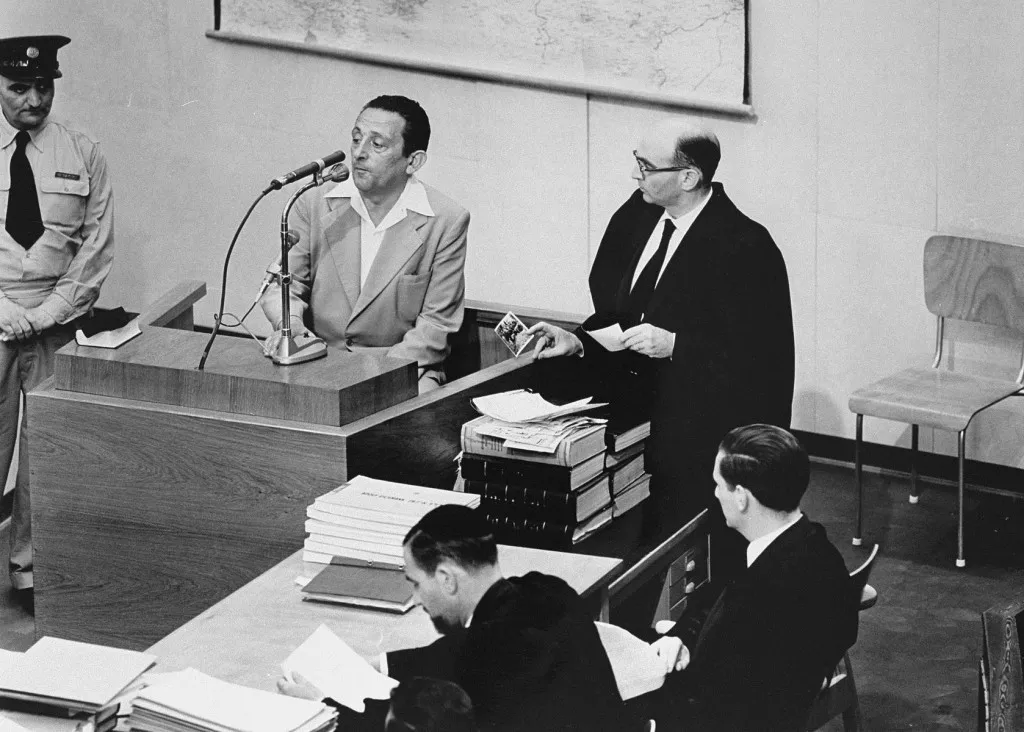 InterviewingQuestions to Ask a Holocaust SurvivorHow to talk to a Holocaust survivor: the questions that work, the ones to avoid, and the method the big testimony archives use, while the witnesses remain.
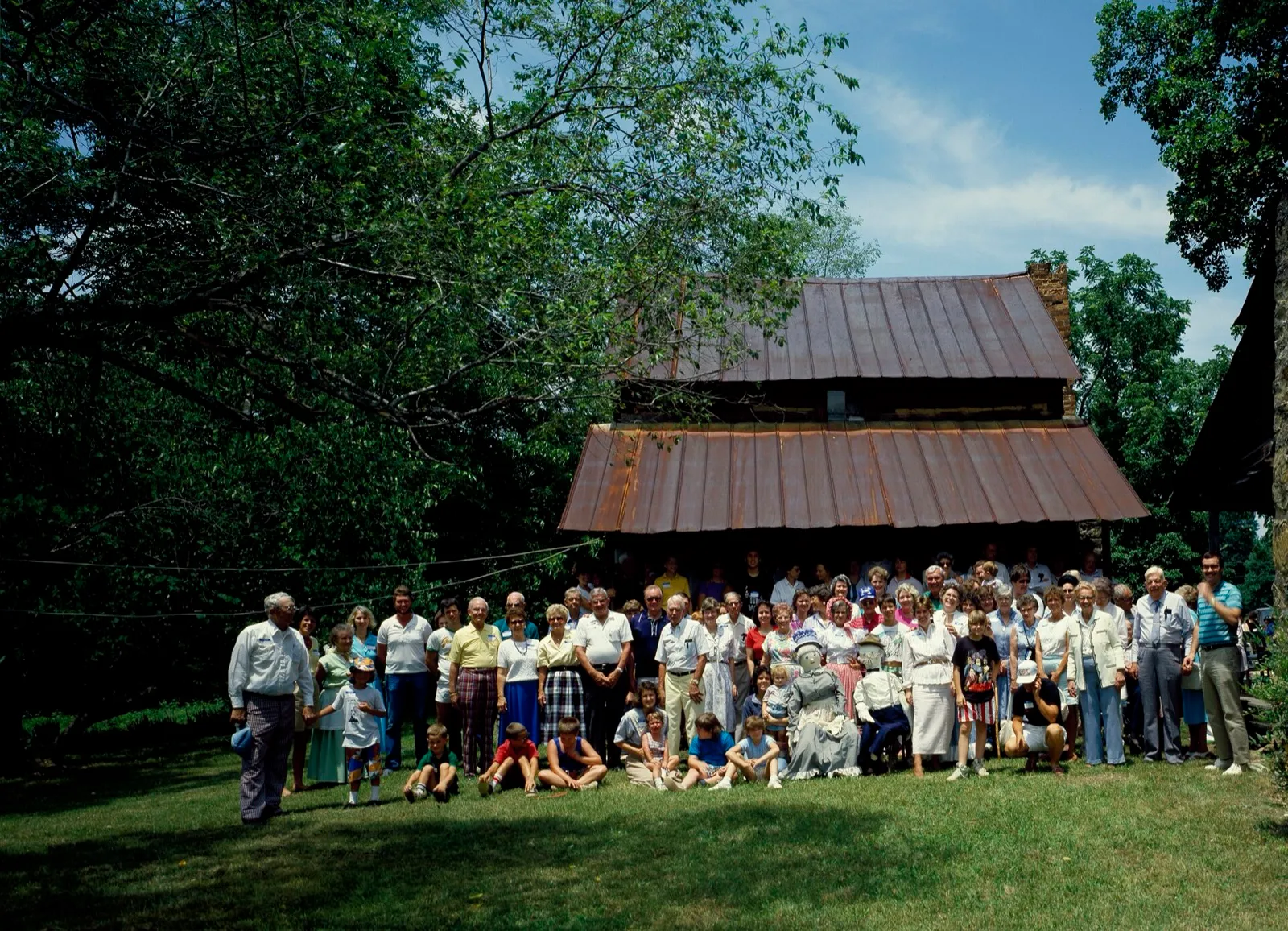 InterviewingQuestions to Ask Your Cousin About the FamilyGood questions to ask your cousin or an older cousin about the grandparents you share, your parents’ childhood and the family stories you only half know.
 InterviewingQuestions to Ask Your Parents About Your BirthGood questions to ask your mum or dad about the day you were born and your first years: what happened, who was there, and what they have never told you.
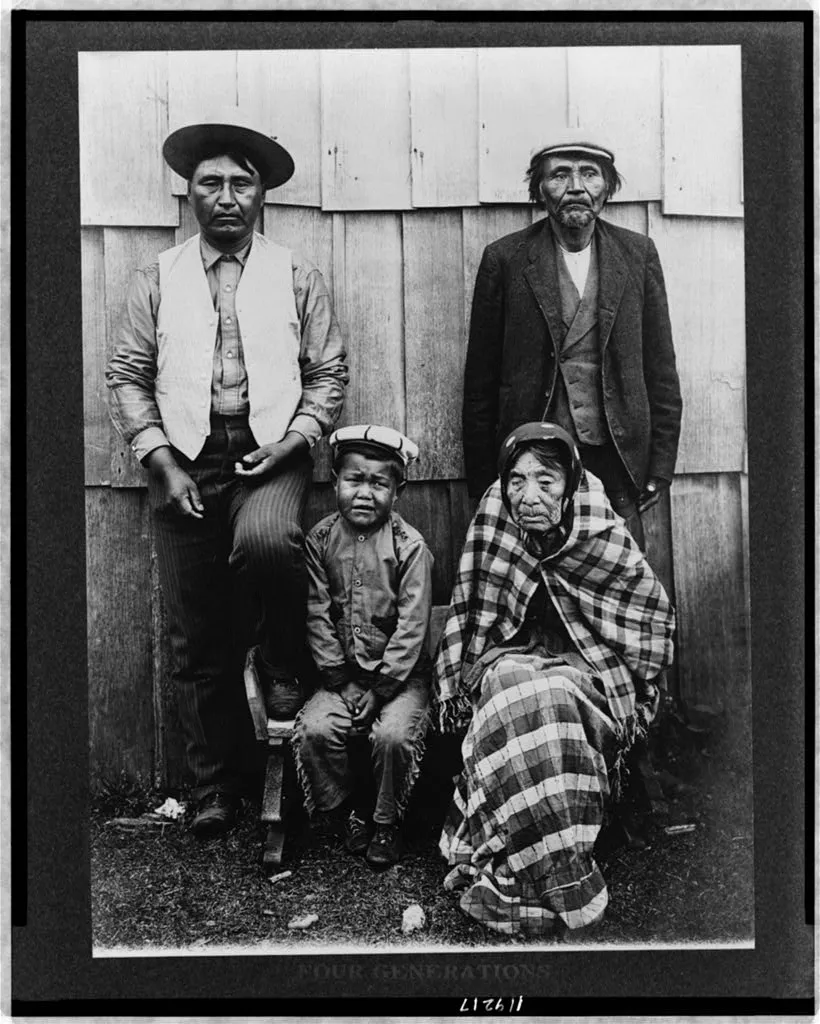 InterviewingQuestions to Ask Your Great-GrandparentsQuestions to ask a great-grandmother or great-grandfather, why more families now have four generations alive at once, and how to film the conversation.
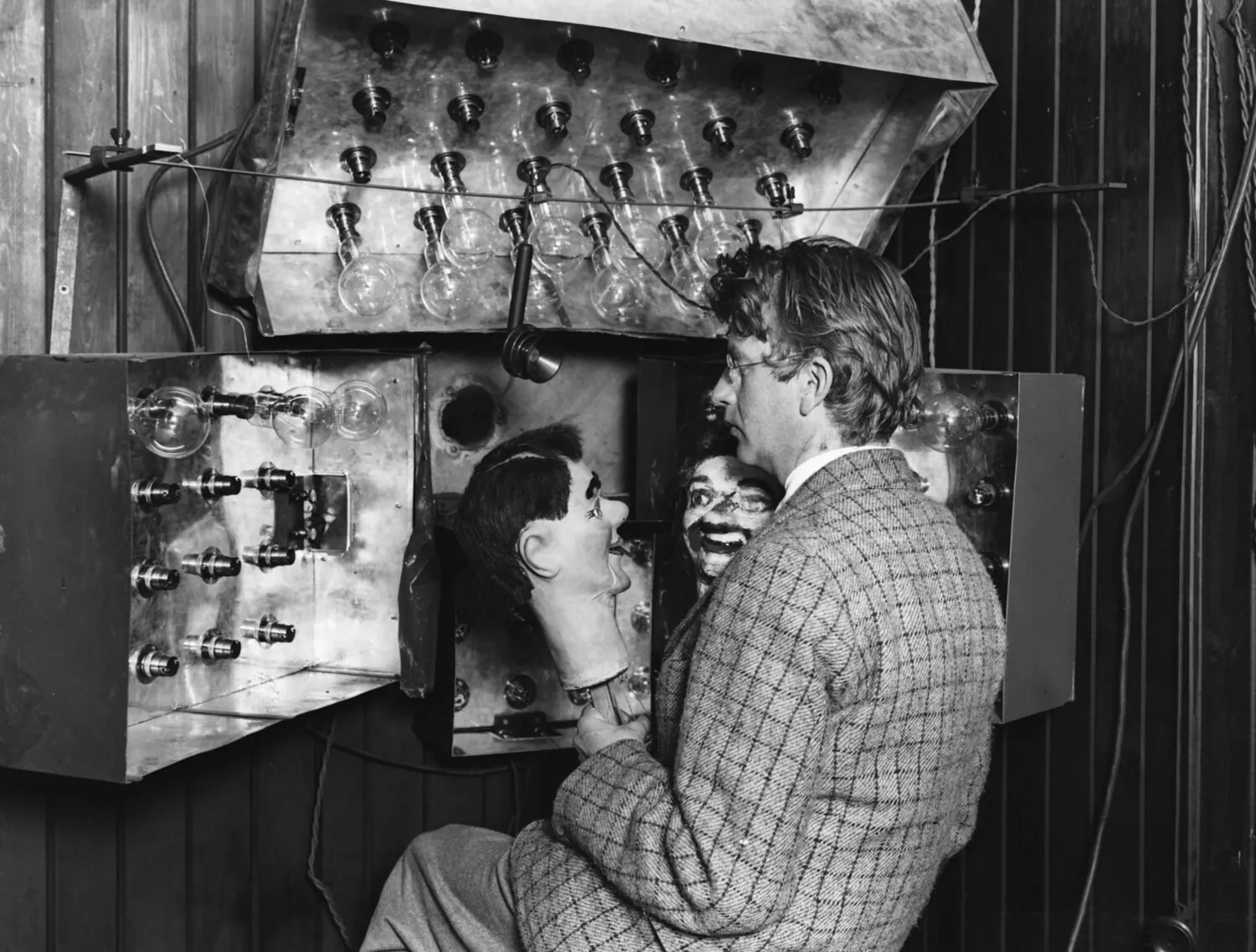 How toQuestions to Ask a 100-Year-Old About Their LifeThe best questions to ask a 100-year-old: how to ask about a century of change, which years hold the sharpest memories, and how to film the answers well.
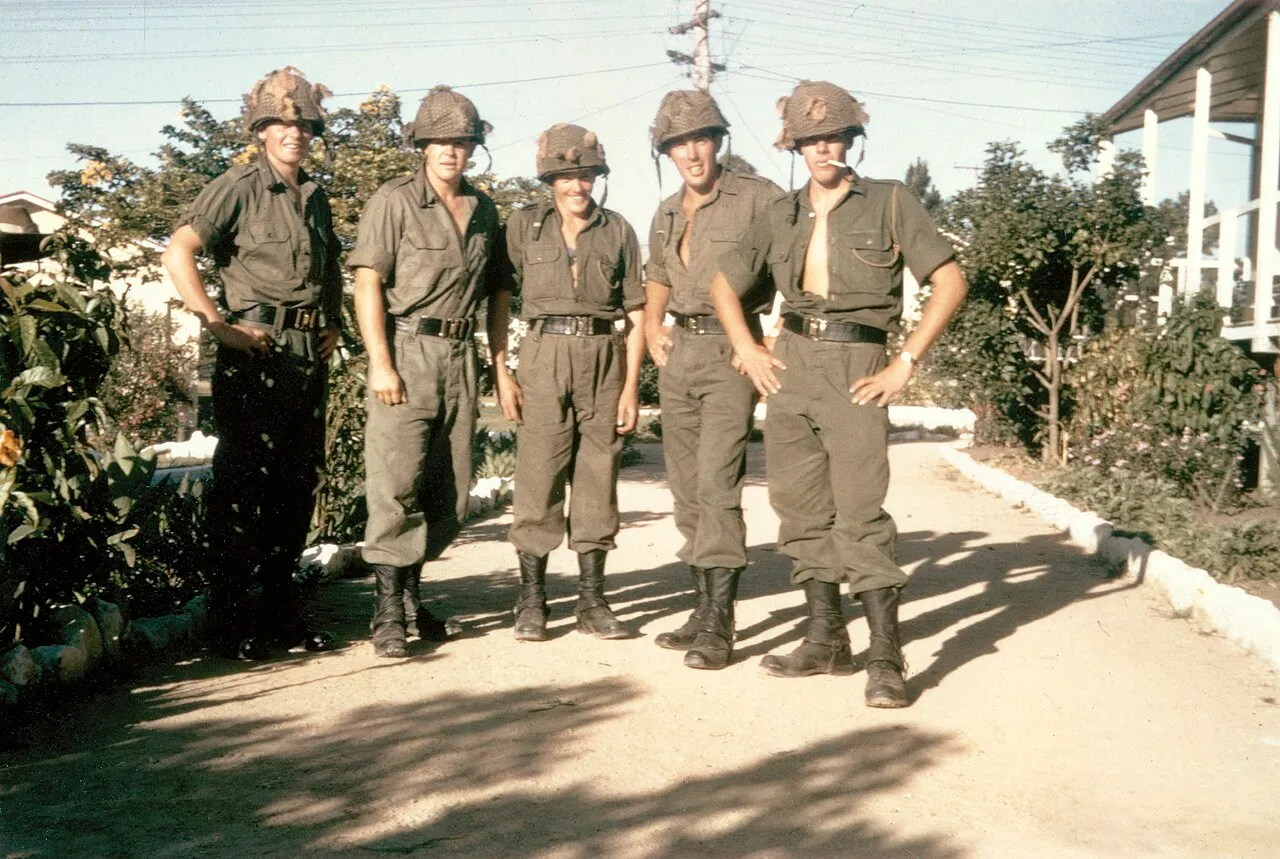 InterviewingQuestions to Ask a Vietnam VeteranQuestions to ask a Vietnam veteran about service, the long silence and the homecoming, with what not to ask and how to record it while there is time.
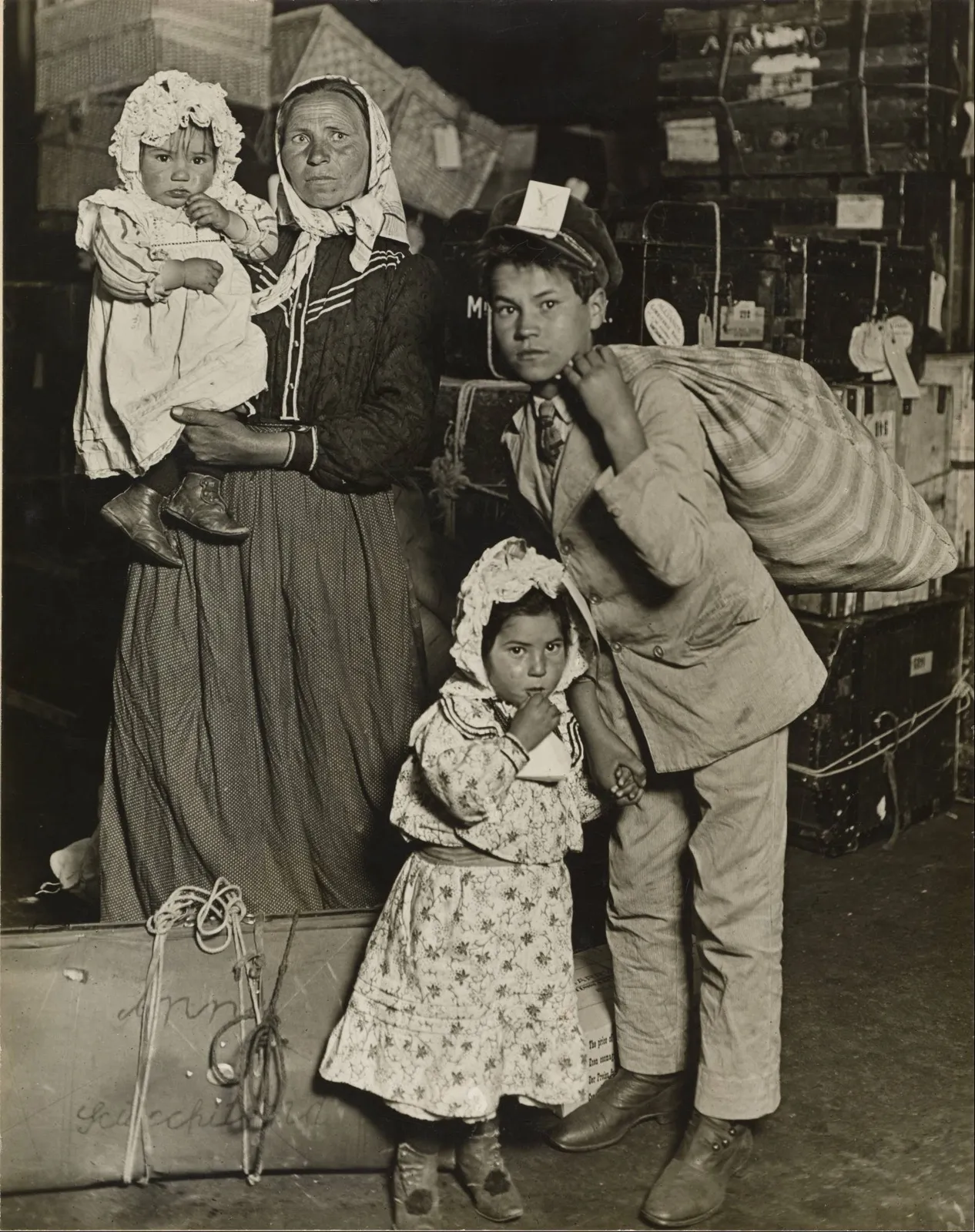 InterviewingQuestions to Ask an Immigrant Family MemberQuestions to ask an immigrant parent or grandparent about leaving, the journey and the first year, and why the hardest chapter is the one we skip.
 InterviewingQuestions to Ask Your Partner About Their ChildhoodYou know your partner today, but their first eighteen years you only know second-hand. The best questions to ask about their childhood, and how to keep them.
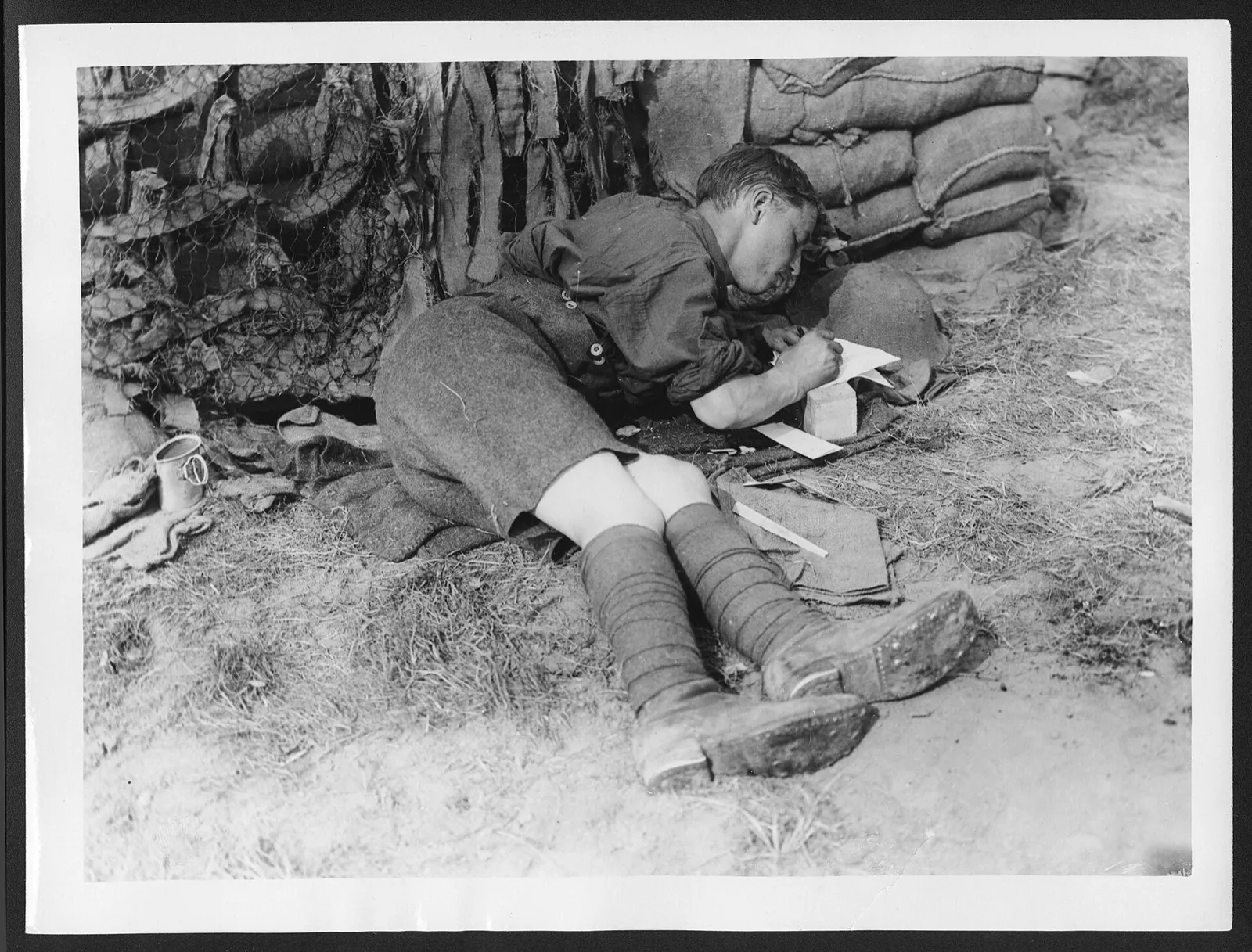 InterviewingQuestions to Ask a Veteran About Their ServiceHow to ask a veteran about their service, with questions for before, during and after, what not to ask, and why the ordinary parts of a life in uniform matter.
 InterviewingQuestions to Ask Your Kids to Really Get to Know ThemAsk your kids the same questions every year, on video, and you build your own Up series. The best questions to ask your kids, and how to keep the answers.
 How toBest Questions to Ask an Elderly Person About Their LifeThe best questions to ask an elderly person about their life, for carers, volunteers, students and family, and why being asked is genuinely good for them.
 How toBest Questions to Ask Your Aunt About Family and LifeThe best questions to ask your aunt or aunty about her life and your family, and why she often holds the stories your parents never told you.How toBest Questions to Ask Your Uncle About Family and LifeThe best questions to ask your uncle about his life and your family, including good and funny ones, and why he often tells you what your parents never did.
 How toBest Questions to Ask Your Grandma About Her LifeThe best questions to ask your grandma about her life, from girlhood to work, and why the family’s memory-keeper is so rarely asked about herself.
 How toBest Questions to Ask Your Grandpa About His LifeThe best questions to ask your grandpa about his life, and why men of his generation open up through work, places and objects rather than feelings.
 InterviewingQuestions to Ask Your Grandparents at ChristmasChristmases blur together in memory, so asking what Christmas used to be like gets a vague answer. Better questions to ask your grandparents this Christmas.
 How toHow to Write Your Grandparents' Life StoryThe best life stories written by someone else began as conversations. How to write your grandparents' life story, step by step, without losing their voice.
 AncestorsQuestions to Ask About Your Family HeritageFamily heritage questions to ask parents and grandparents about language, food, migration and why they left, and why the third generation always asks too late.How toHow to Make a Family History VideoHow to make a family history video that people will watch, from filming the interviews first to old photos, home movies and a structure that holds it together.
 InterviewingQuestions to Ask Your In-Laws to Really Know ThemMost of us know our in-laws only as roles. Questions to ask your partner's parents about their lives, and why an outsider is often the best person to ask.
 InterviewingQuestions to Ask Your Siblings About Growing UpSiblings remember the same childhood differently, and the difference is the story. Questions to ask your brothers and sisters, and why to record them.
 InterviewingQuestions to Ask Your Parents About How They MetHow a couple tells the story of how they met says more than the facts. The questions to ask your parents, whether they stayed together or not.
 How toHow to Record Your Grandparents’ Stories on Your PhoneIn 1933 recording a voice took a 315-pound machine. Now it takes a phone. How to record your grandparents’ stories well: settings, sound, storage and asking.
 GiftsGrandma Memory Book Questions, and Why Video Works BetterThe best grandma memory book questions, grouped by stage of life, plus why the blank lines in a guided journal hold so little, and how to get the full story.
 PreservationHow to Preserve Family Stories Before They Are LostArchivists know the real enemy is the single copy. How to preserve family stories and family history: what to record, which format lasts, and where to keep it.How toFamily History Interview Questions: What to Ask45 family history interview questions about names, places, migration and family legends, and why the most useful question of all is “Who told you that?”
 How toFun Questions to Ask Your Grandparents (and Why They Work)Light, funny questions often draw out better stories than serious ones. 40 fun questions to ask your grandparents, and what laughter research says about why.
 Gifts90th Birthday Ideas for Grandma or GrandpaSomeone turning 90 has outlived most witnesses to their youth. 90th (and 80th) birthday ideas for Grandma or Grandpa that give them an audience, not more stuff.
 FamilyFamily Reunion Ideas People Will Actually RememberThe largest family reunion gathered 4,514 descendants of one couple. Family reunion ideas and activities that keep the stories, not just the names.
 InterviewingDeep Questions to Ask Your Parents, and Why We Don'tStrangers can grow close in 45 minutes by asking deep questions. Most of us never ask our parents. The questions worth asking, and how to ask them.
 How toHow to Talk to Ageing Parents About Their LifeMost advice on talking to ageing parents is about care, money and wills. The conversation people regret skipping is about their life. How to have both.
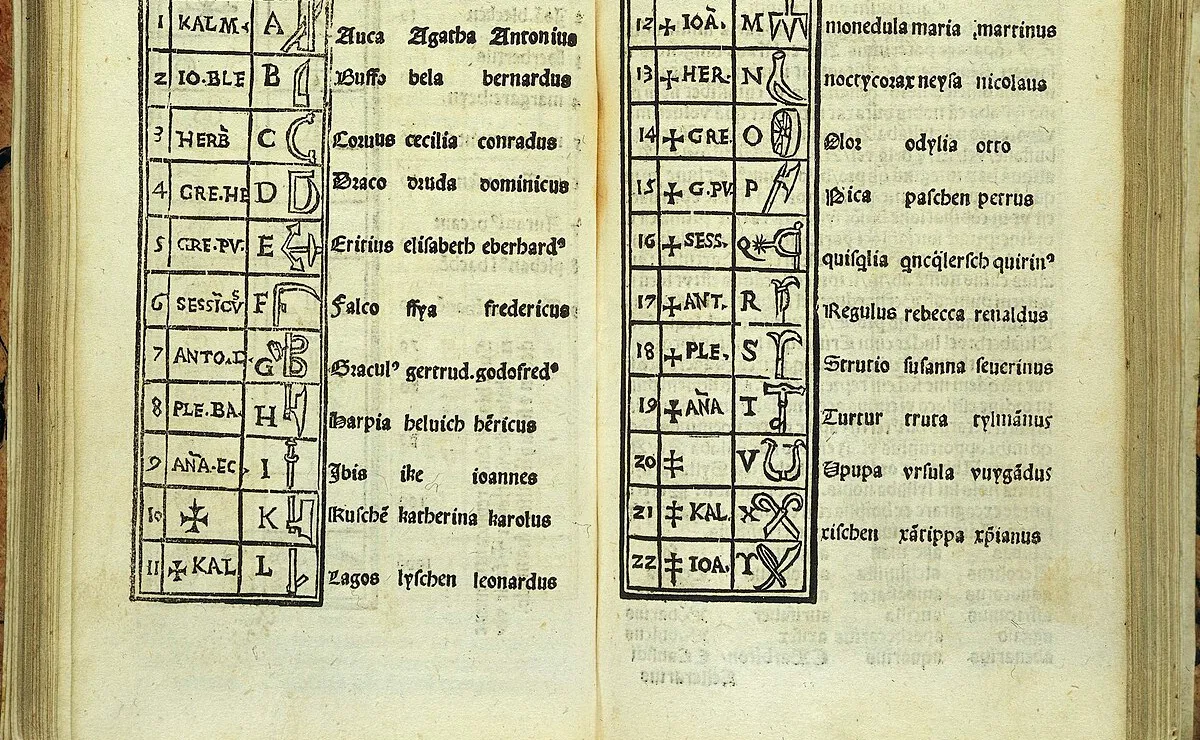 IdeasThe Memory Palace: Why We Remember in PlacesThe memory palace began with a collapsed roof and a list of the dead. Why the 2,500-year-old trick works, and what it teaches us about asking for stories.
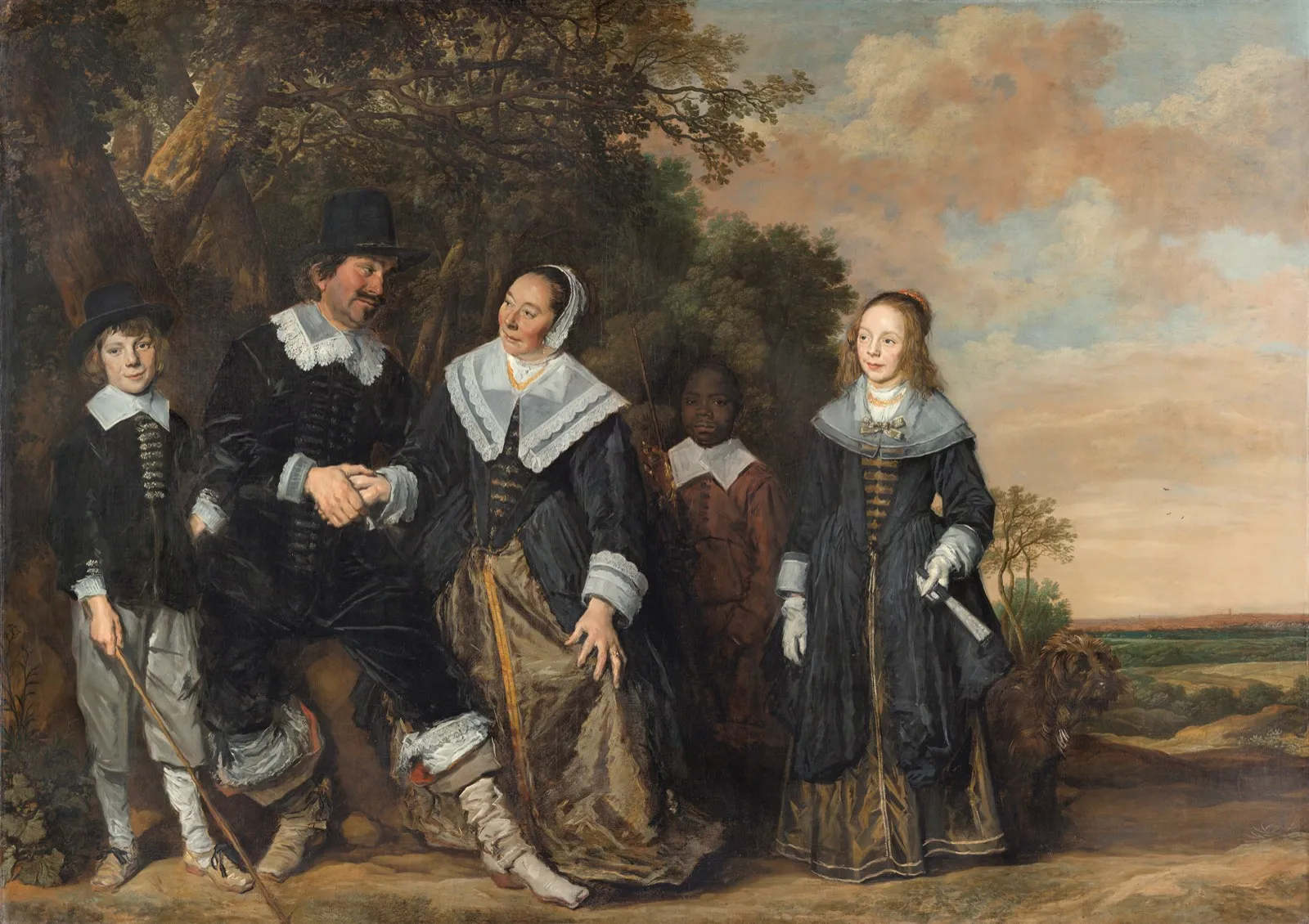 AncestorsWhat a DNA Test Can't Tell You About Your AncestorsA DNA test can say where your ancestors lived and who you are related to. It cannot say who they were. Why the most valuable family record isn't genetic.
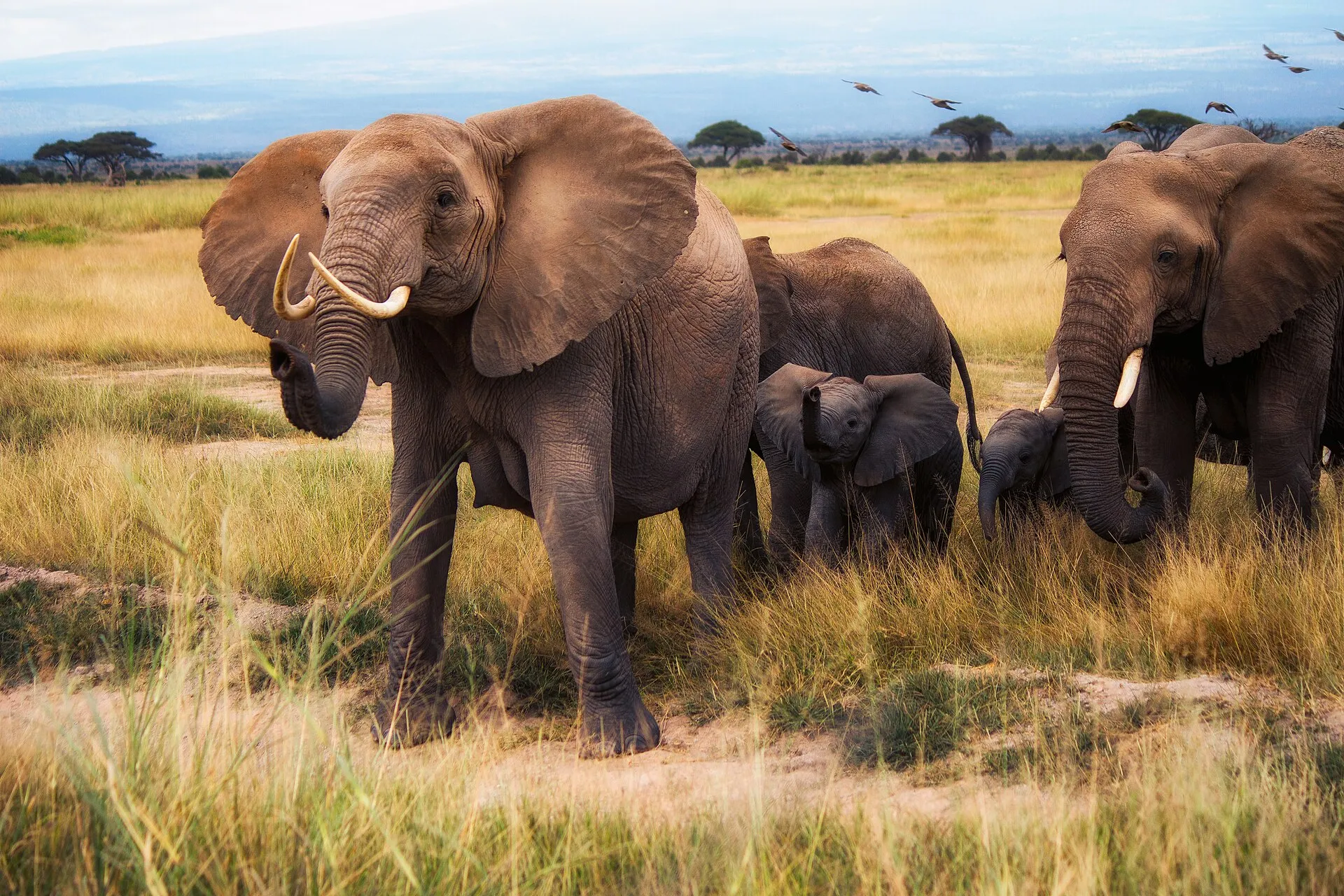 IdeasElephant Matriarchs: Why the Herd Follows Its OldestIn a drought, the elephant herds that fare best follow their oldest female, who remembers the last one. What that tells us about the elders in our own families.
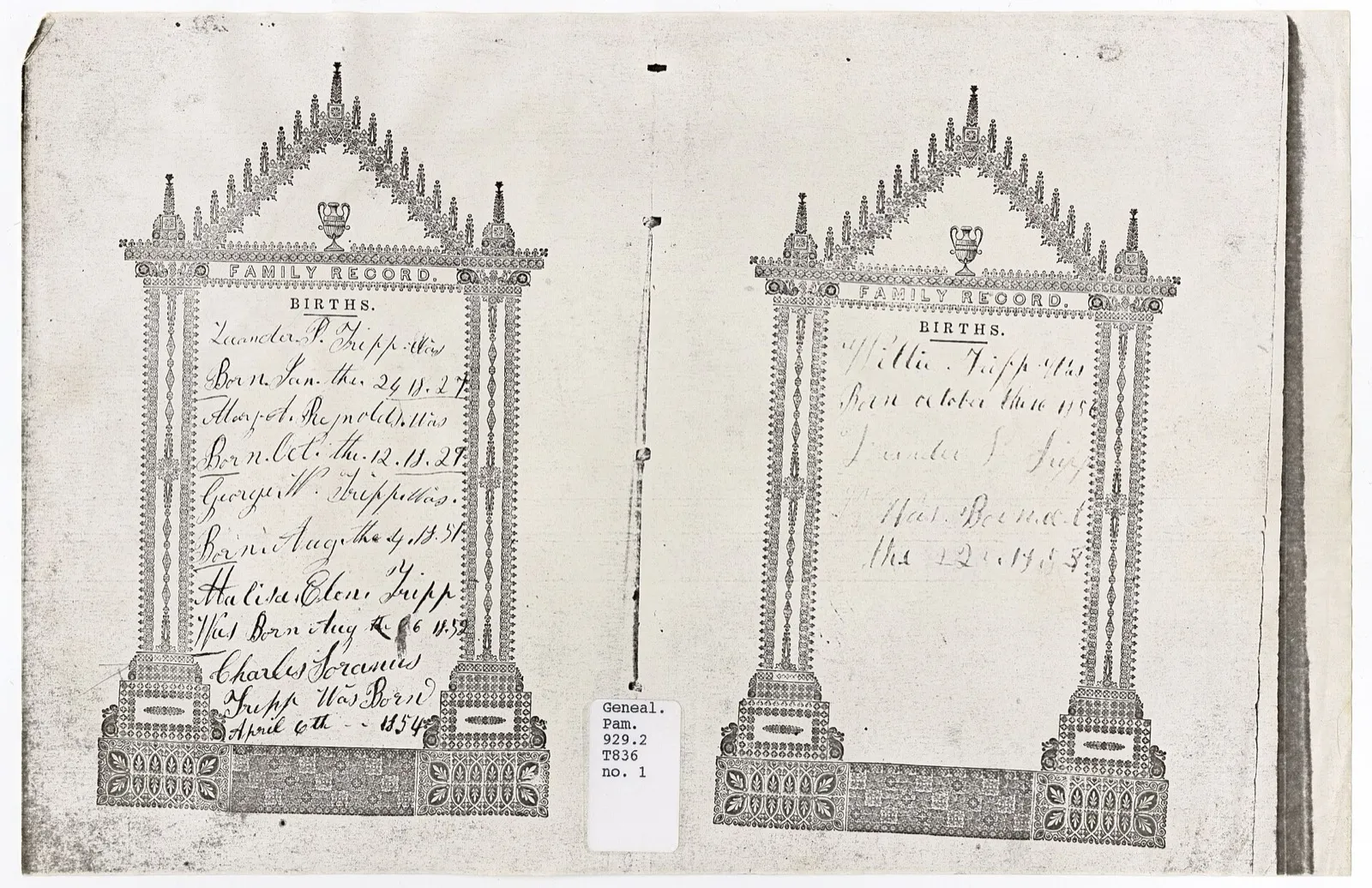 HistoryFamily Bible Records: What the Old Family Bible KeptFor two centuries the family Bible was the household archive. Its records are precise and trusted, and almost silent. What they kept, and what they left out.
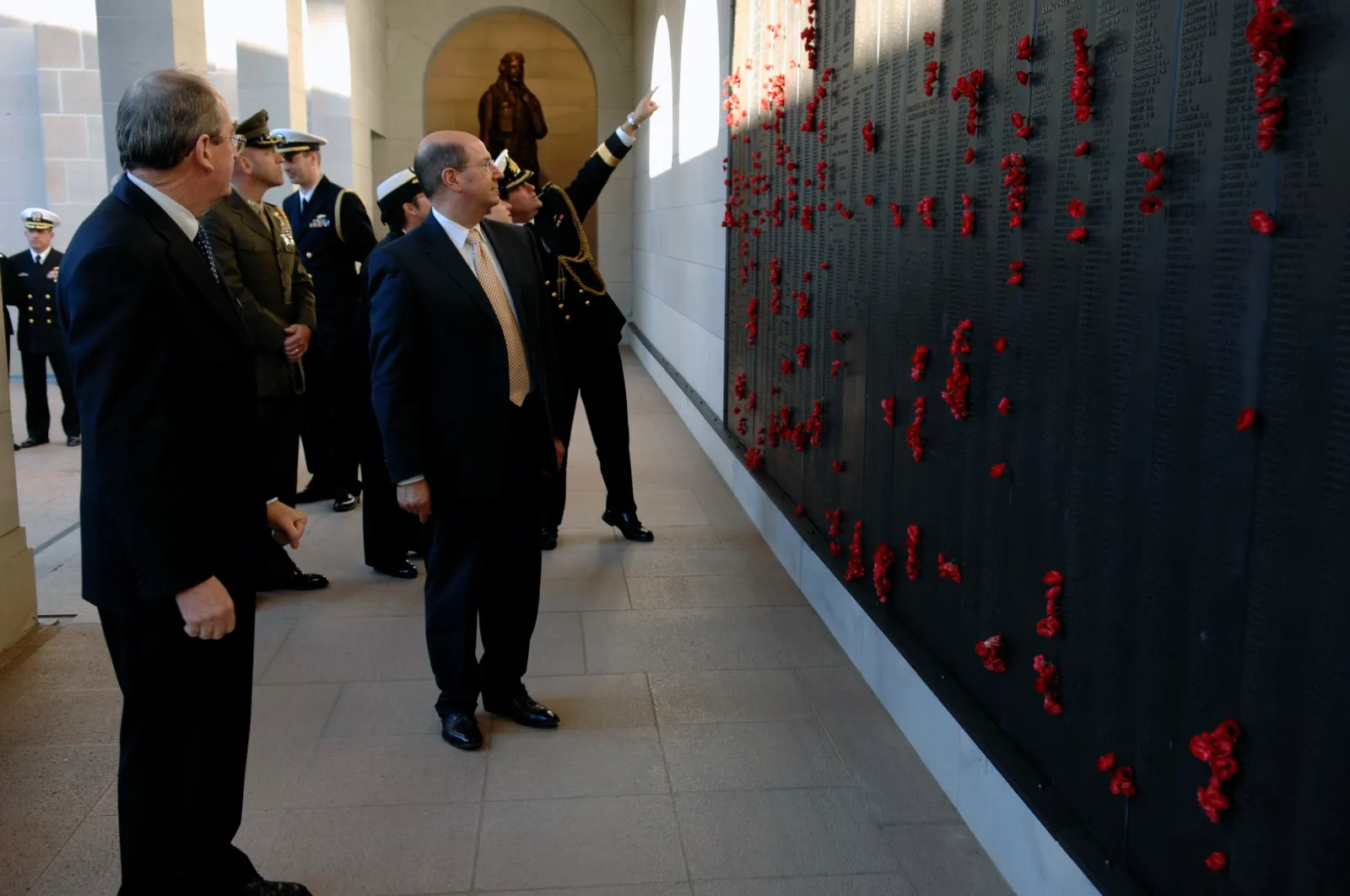 HistoryRemembrance Day: Why a Name Is Not EnoughRemembrance Day keeps more than 100,000 Australian names. The Australian War Memorial says telling each of their stories will take nearly 300 years.
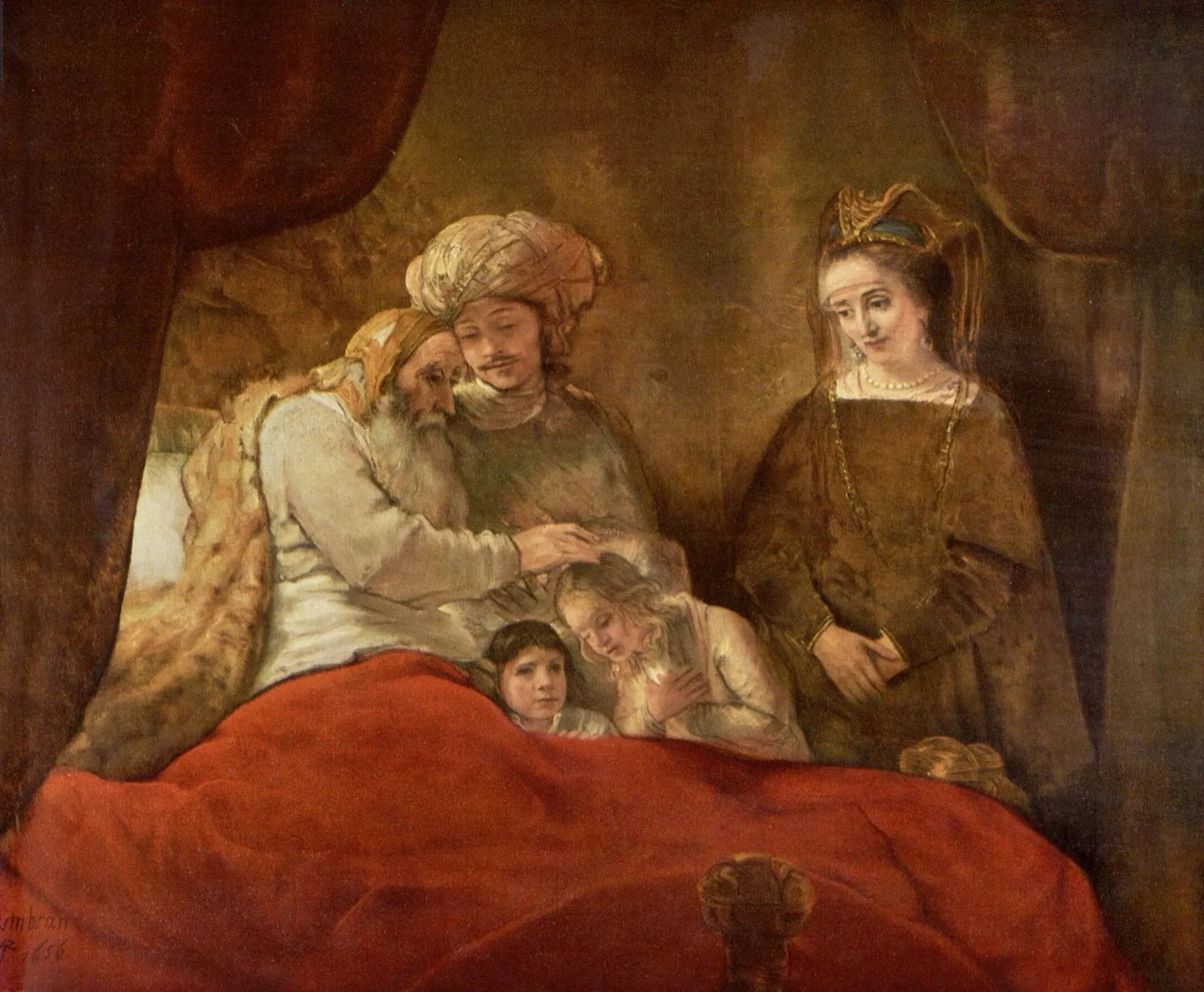 IdeasWhat Is an Ethical Will? Leaving Values, Not PropertyFor 3,000 years parents have written down what they believed, not what they owned. Why most ethical wills are forgotten, and how to write one that lasts.
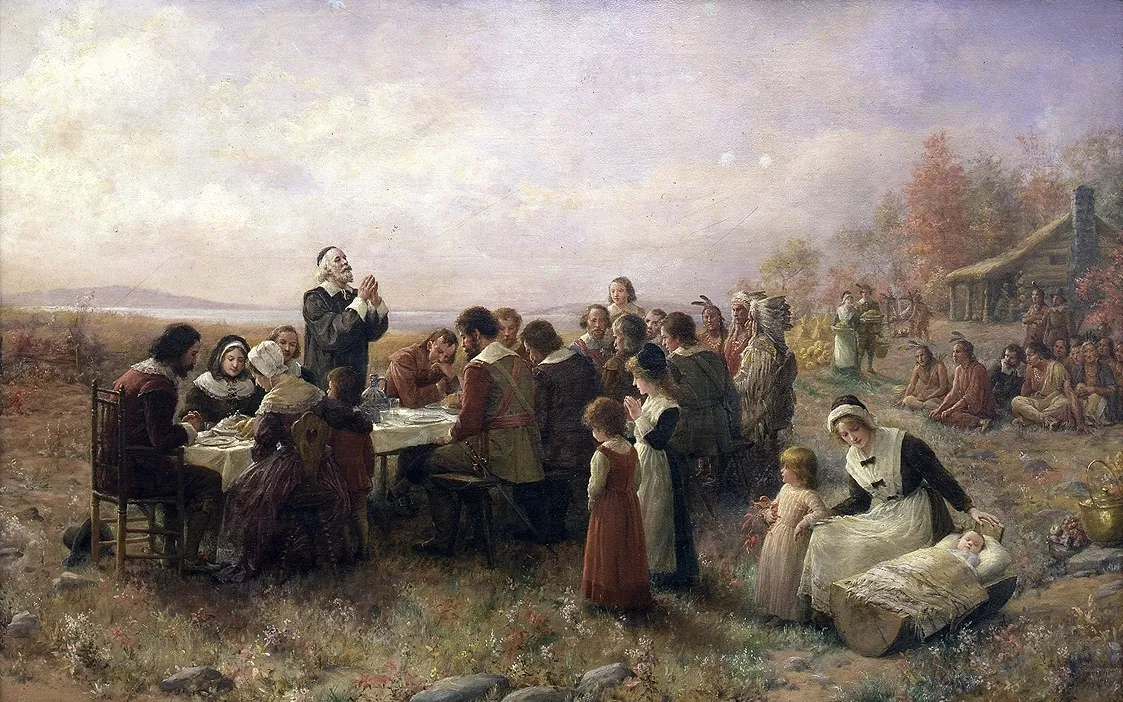 InterviewingThanksgiving Questions to Ask Your Family About the PastThe first Thanksgiving survives in one paragraph of one letter. Questions to ask your family this year, and why the table is the best place to ask them.
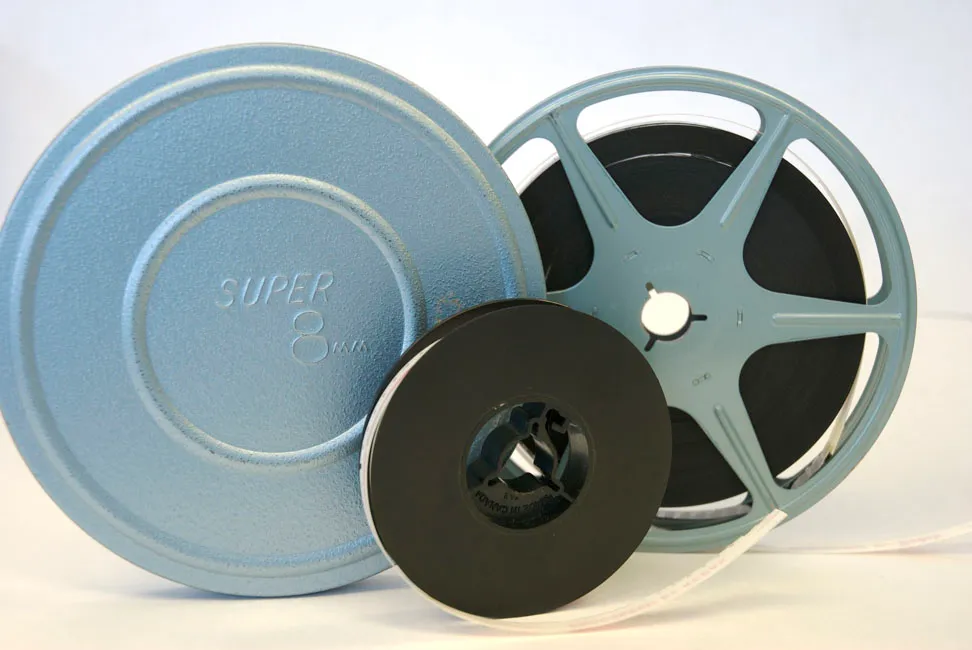 How toHow to Digitise Old Home Movies Before They FadeOld film and tape are decaying, and the machines that play them are gone. How to digitise home movies, and the one step most families forget to take.
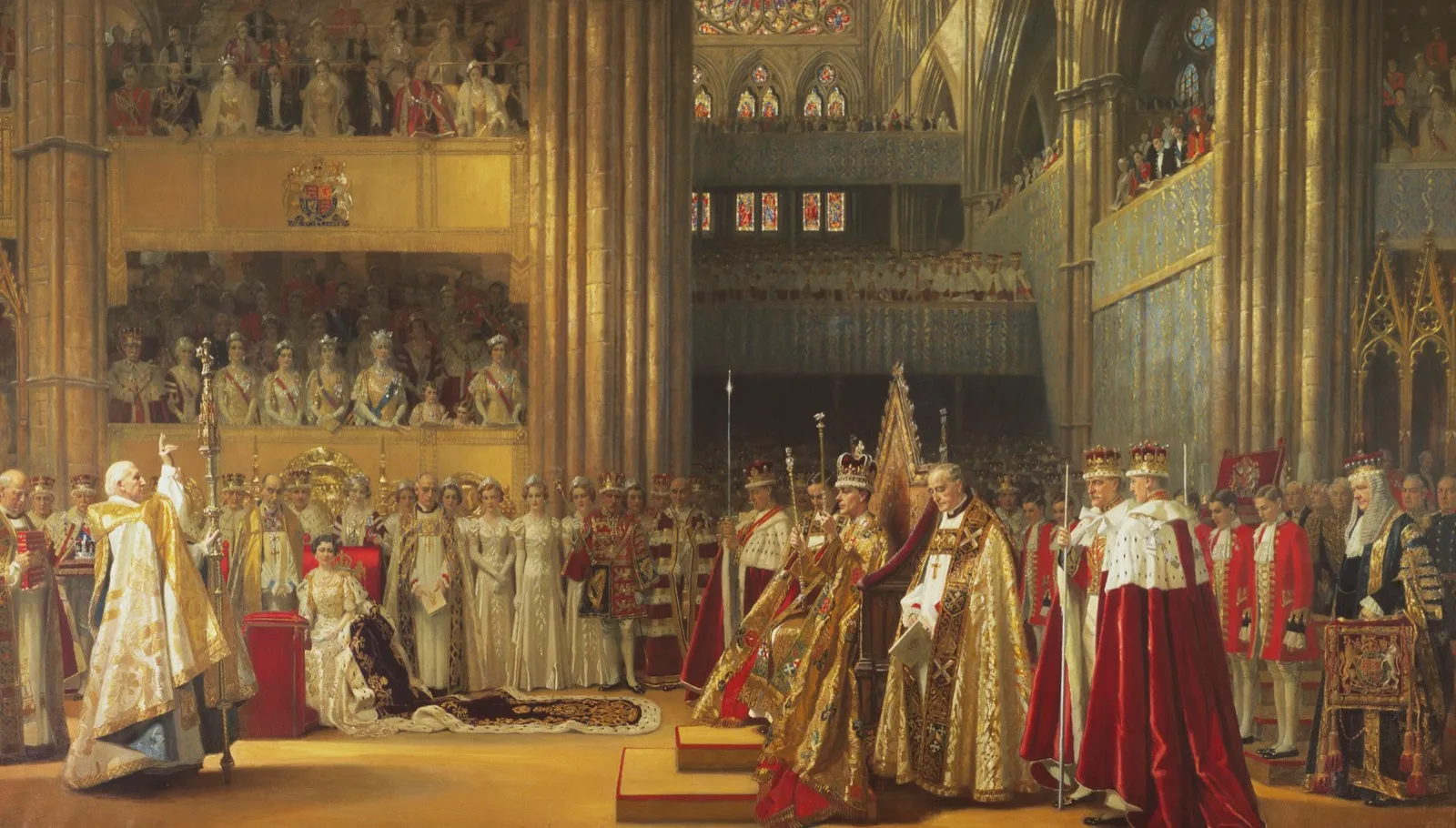 HistoryMass Observation: The 1937 Plan to Record Ordinary LifeIn 1937 three young Britons asked ordinary people to write down their days. Mass Observation now holds the history everyone else forgot to keep.
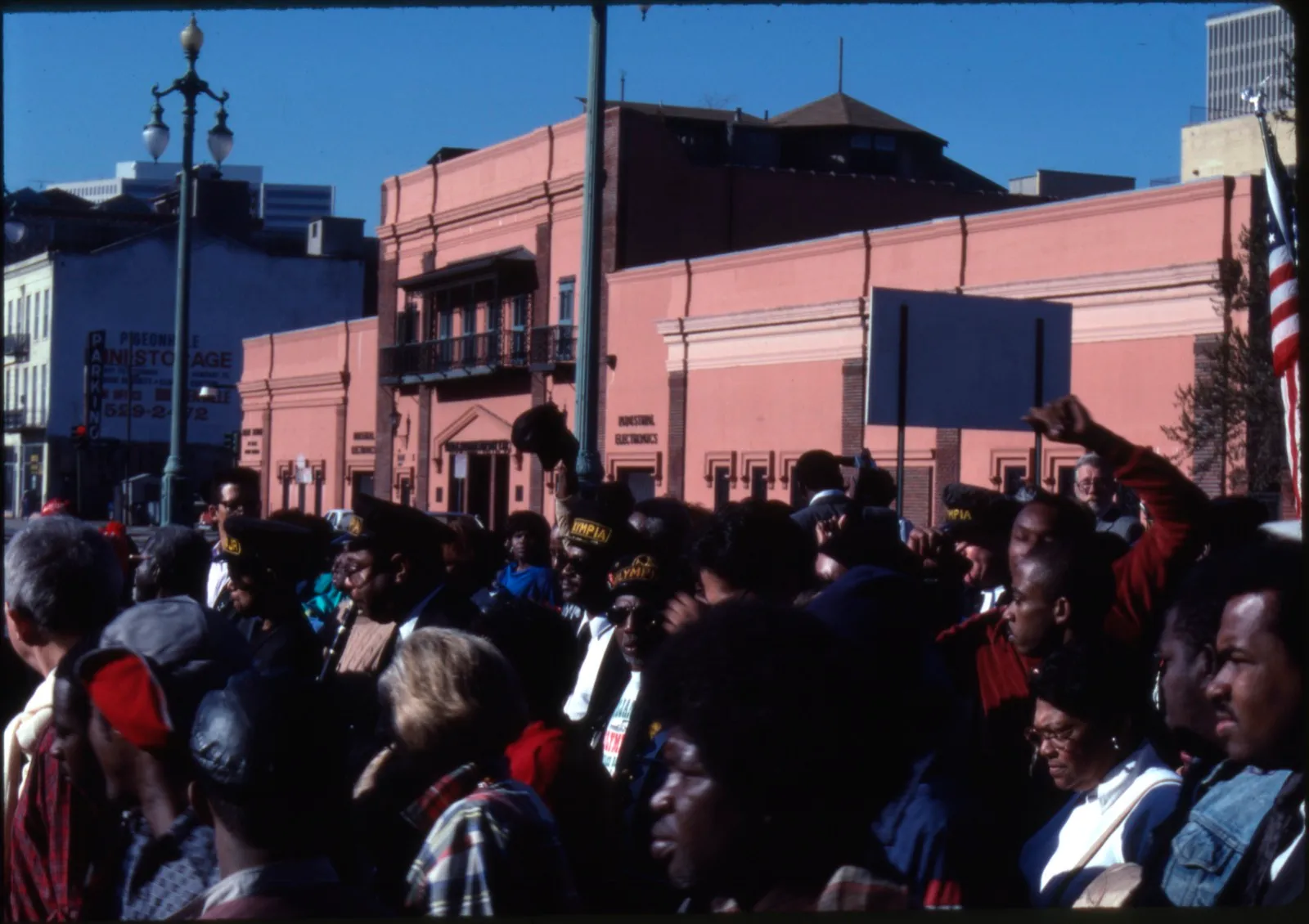 How toCelebration of Life Ideas That Tell Their StoryThe best celebration of life ideas share one thing. They let the person speak for themselves. Practical ideas for Mum, Dad or anyone, and what makes them work.
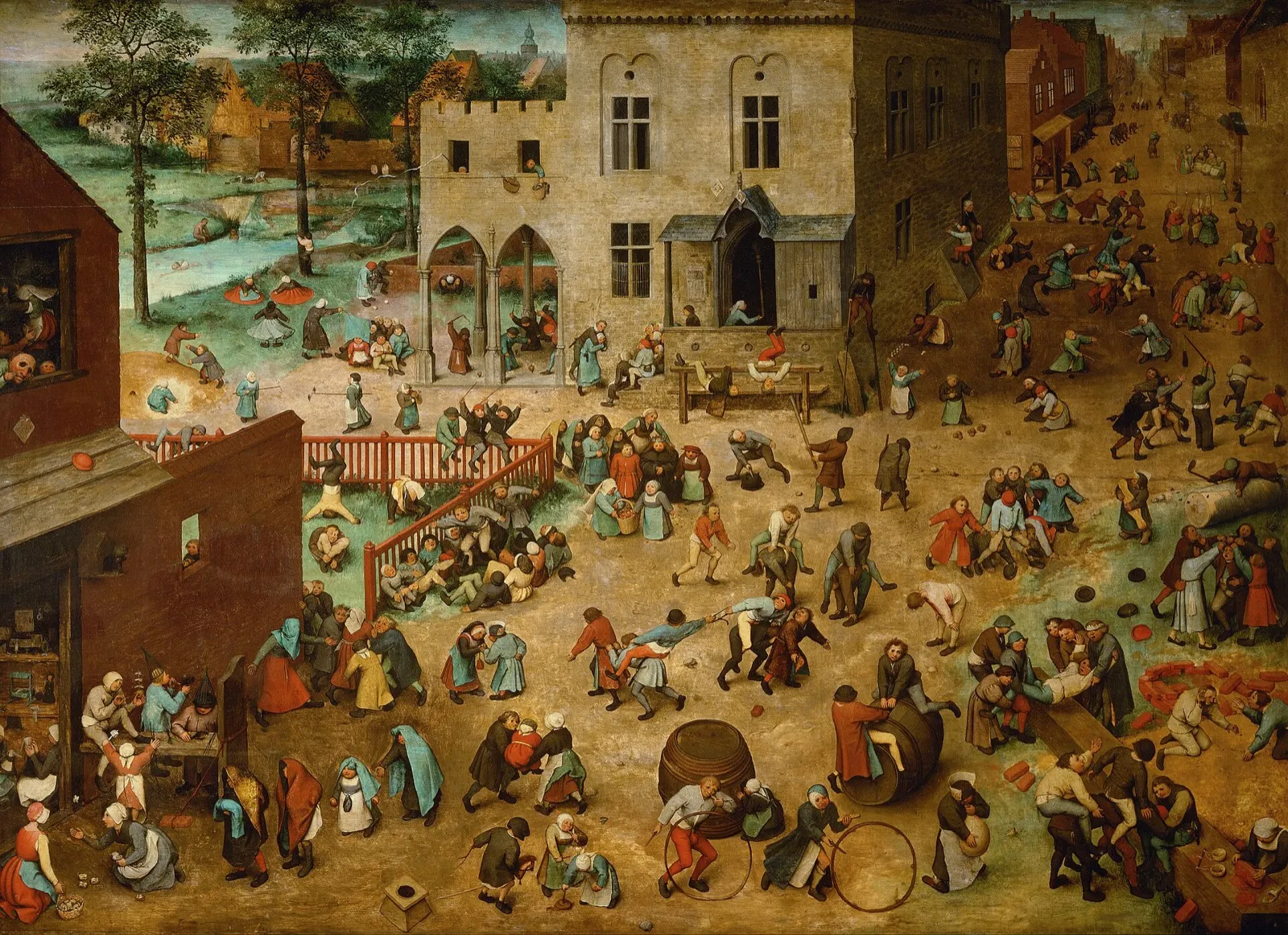 How toInterview Your Grandparents About Childhood (+ Answers)Questions to interview your grandparents about their childhood, with example answers that show the difference between a thin reply and a story worth keeping.
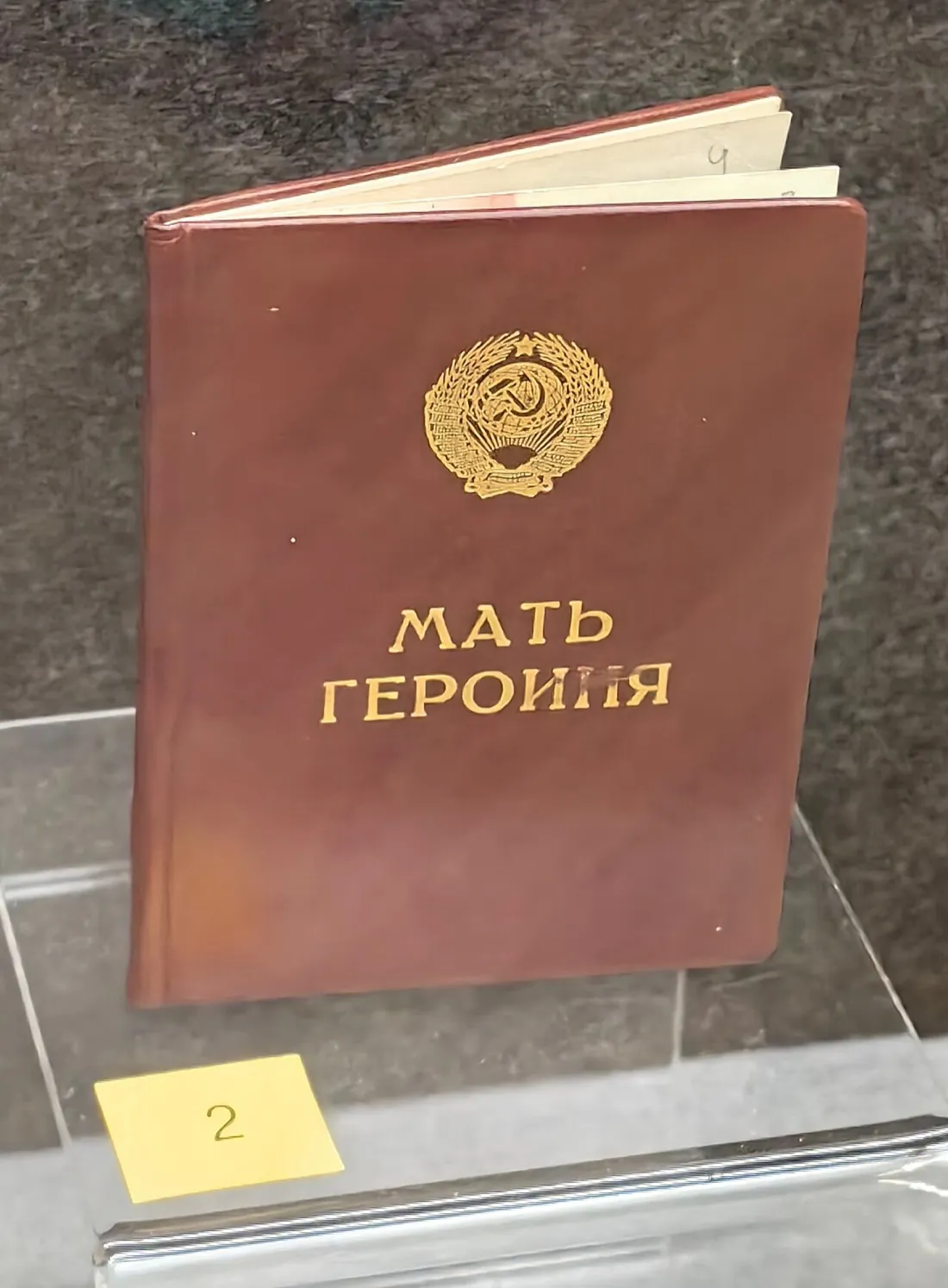 HistoryThe Lysenko Brothers: Ten Sons Went to War, Ten Came HomeAll ten Lysenko brothers of Brovakhy, Ukraine, fought in World War II and all ten came home. The story of their mother, Yevdokia, and what her family kept.
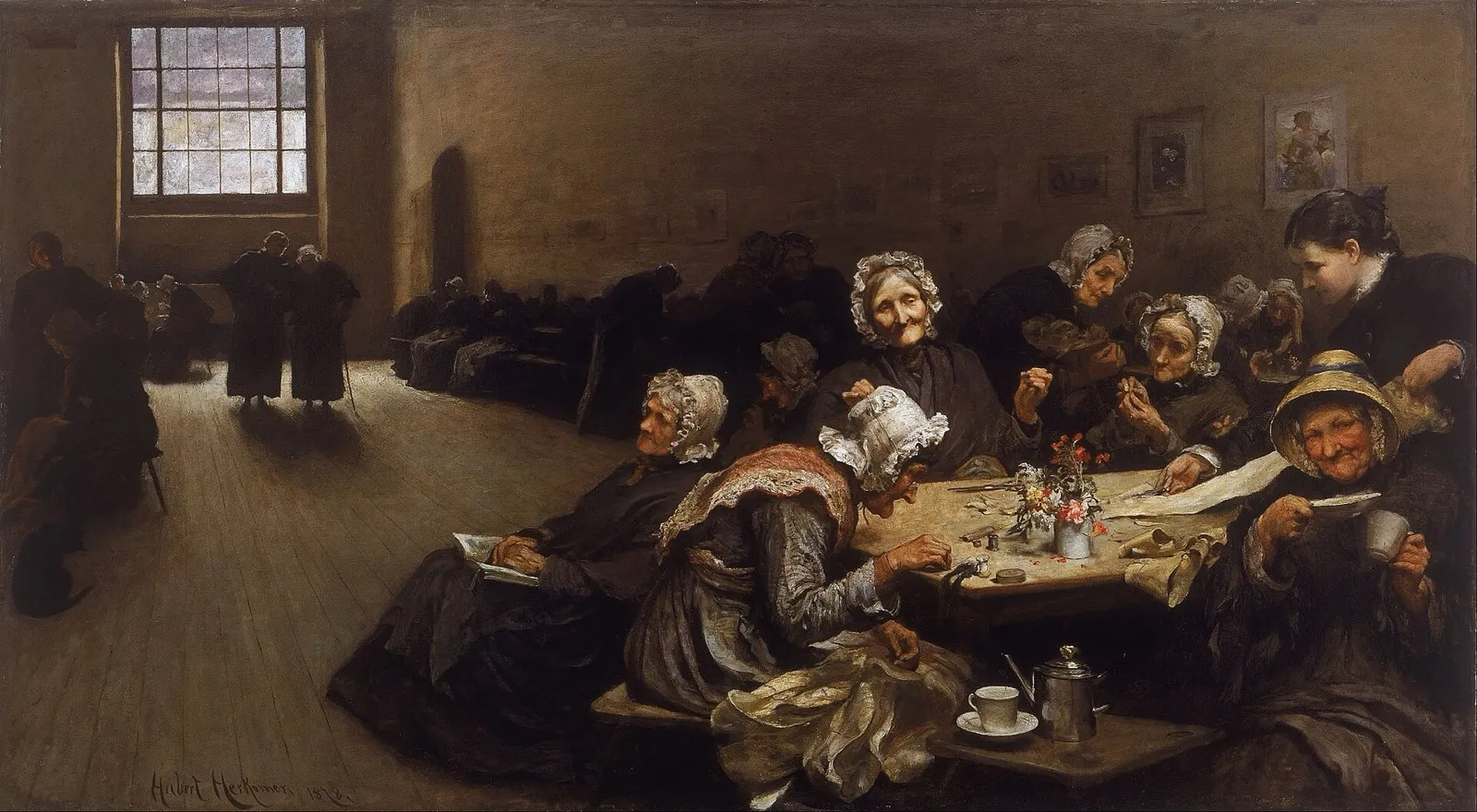 InterviewingQuestions to Ask Grandparents With DementiaWhat to ask a grandparent or parent with dementia, what never to ask, and why music, photos and old skills reach memories that direct questions cannot.
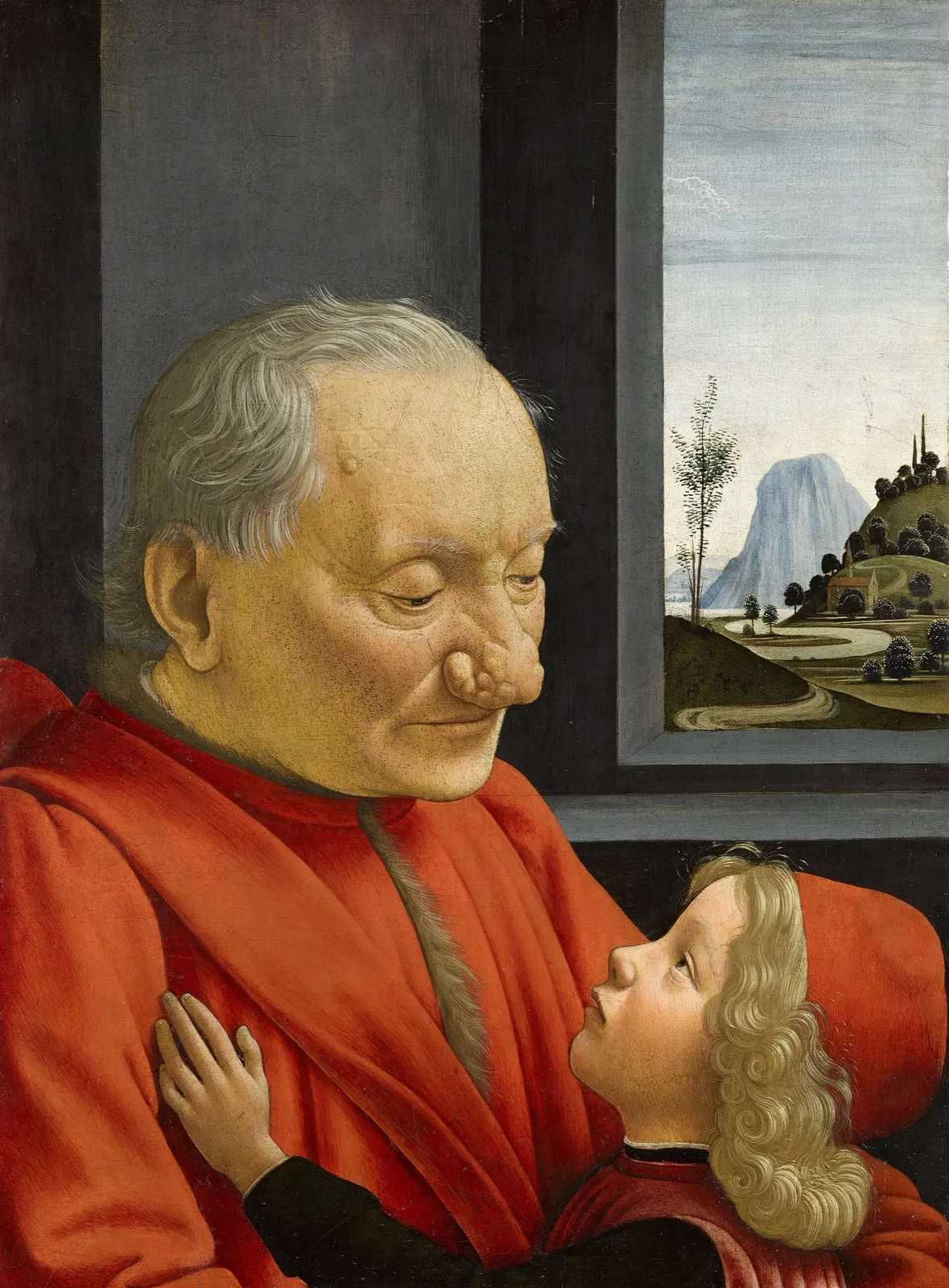 InterviewingQuestions to Ask Your Parents Before They Die (PDF)A free printable PDF of 35 questions to ask your parents before they die, why a list on paper makes the conversation easier to start, and how to ask them well.
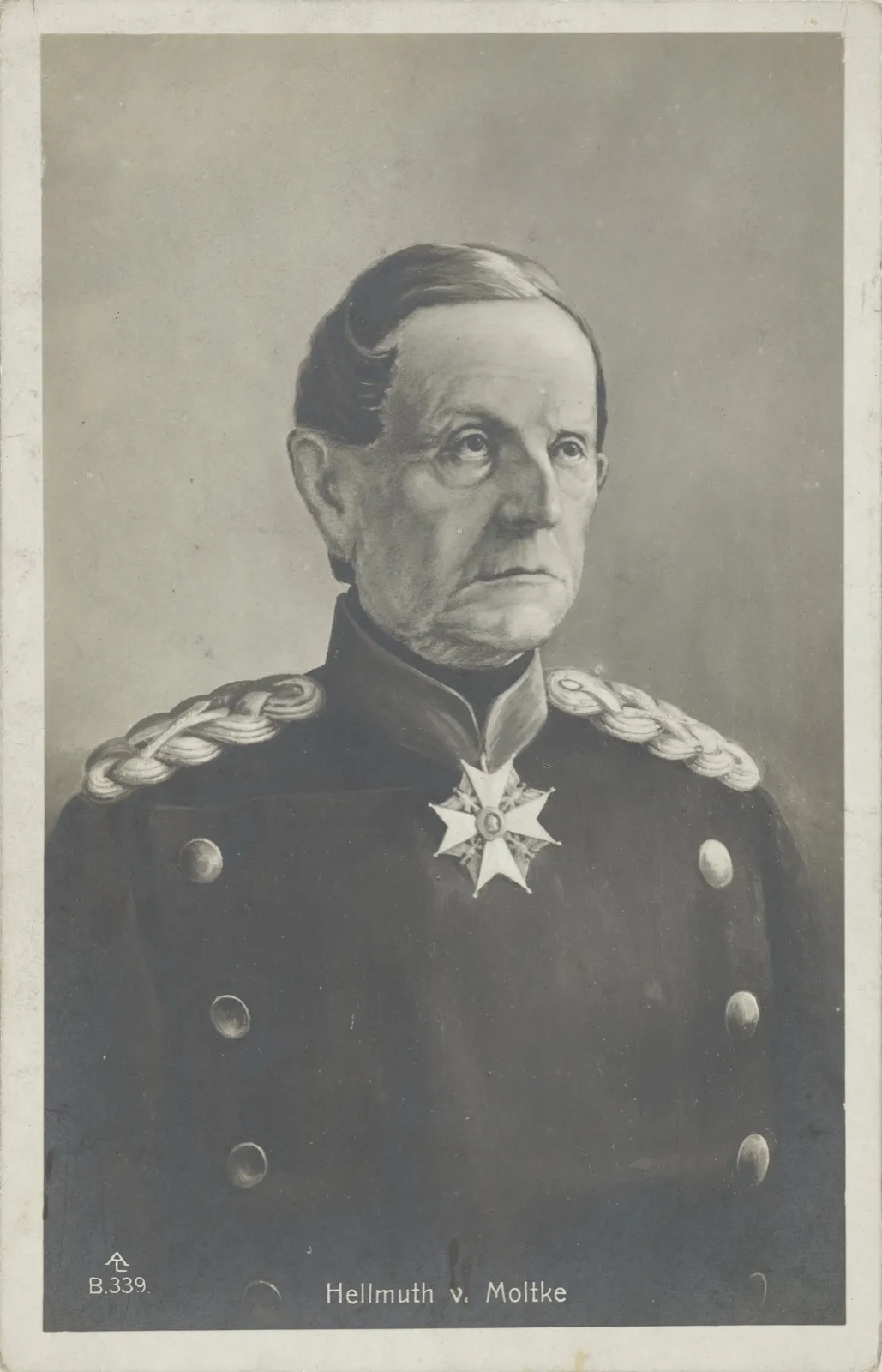 HistoryHelmuth von Moltke: The Oldest Voice Ever RecordedBorn in 1800, recorded on wax in 1889: how Helmuth von Moltke became the oldest voice we can still hear, and why his cylinders nearly vanished.
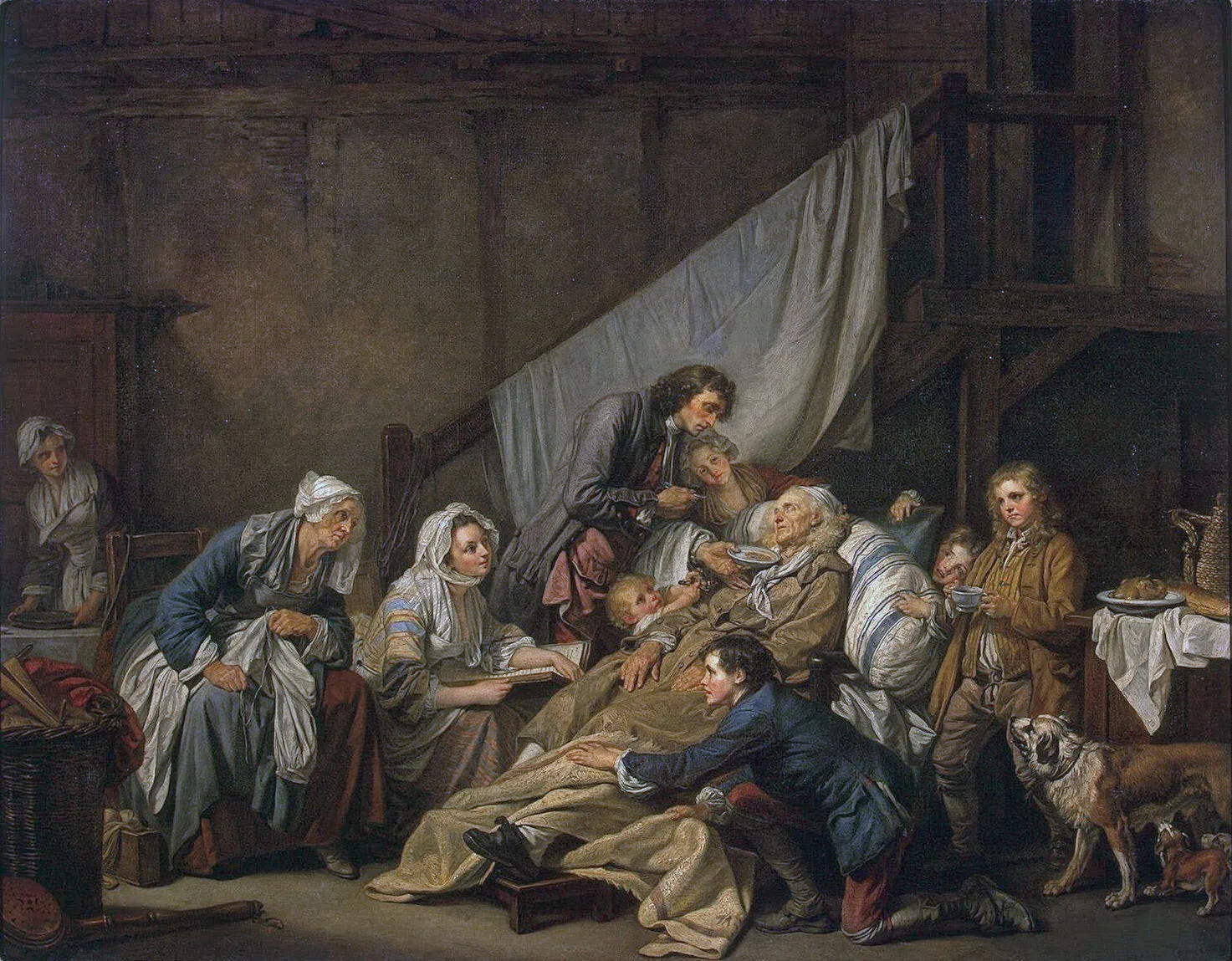 InterviewingQuestions to Ask a Dying Parent, While You Still CanWhat to ask a dying or terminally ill parent, how to ask when they are tired, and what palliative care research says dying people want to talk about.
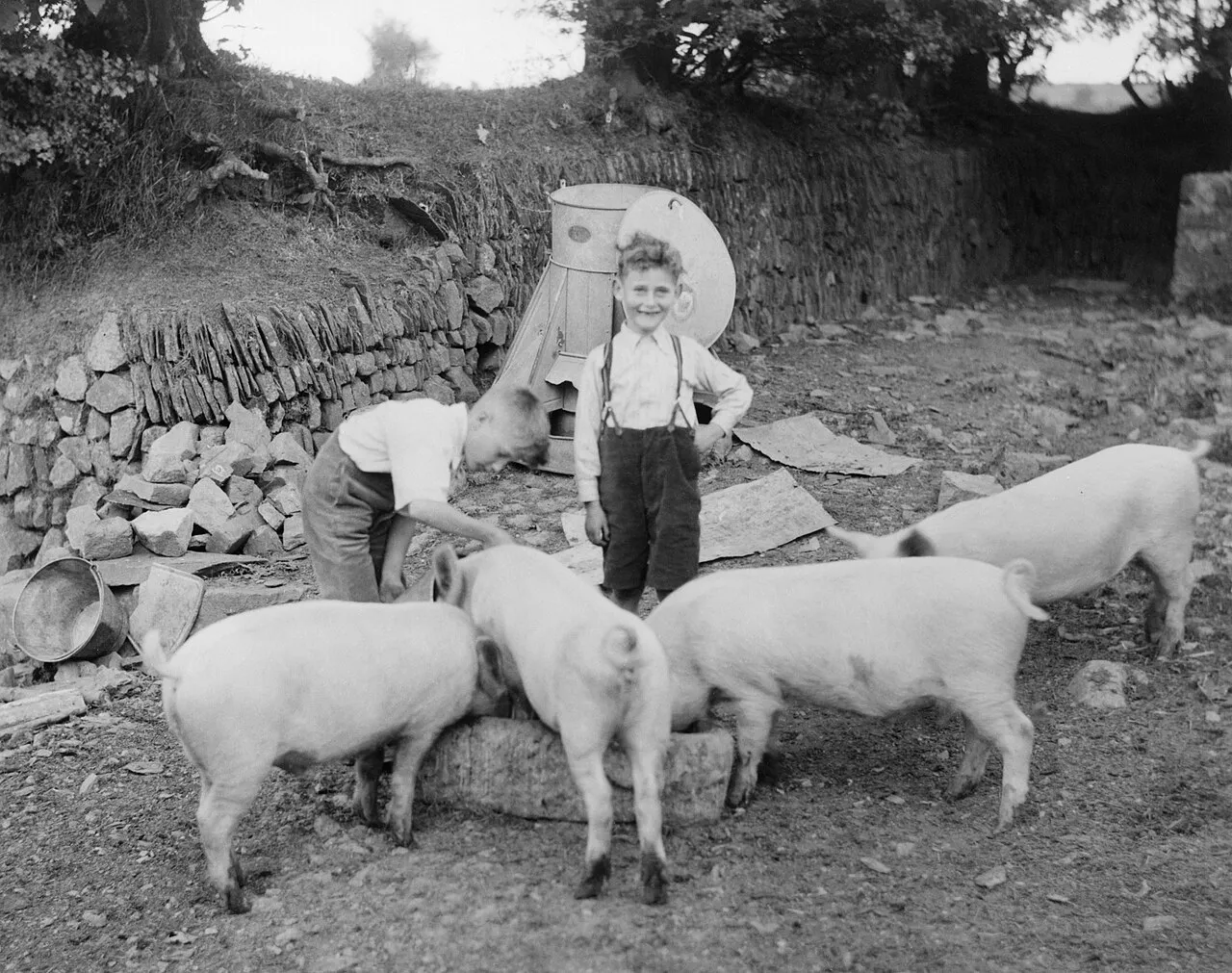 InterviewingQuestions to Ask Grandparents About WW2Most people who still remember the Second World War were children then. Questions about evacuation, rationing, migration and the home front, and why it matters.
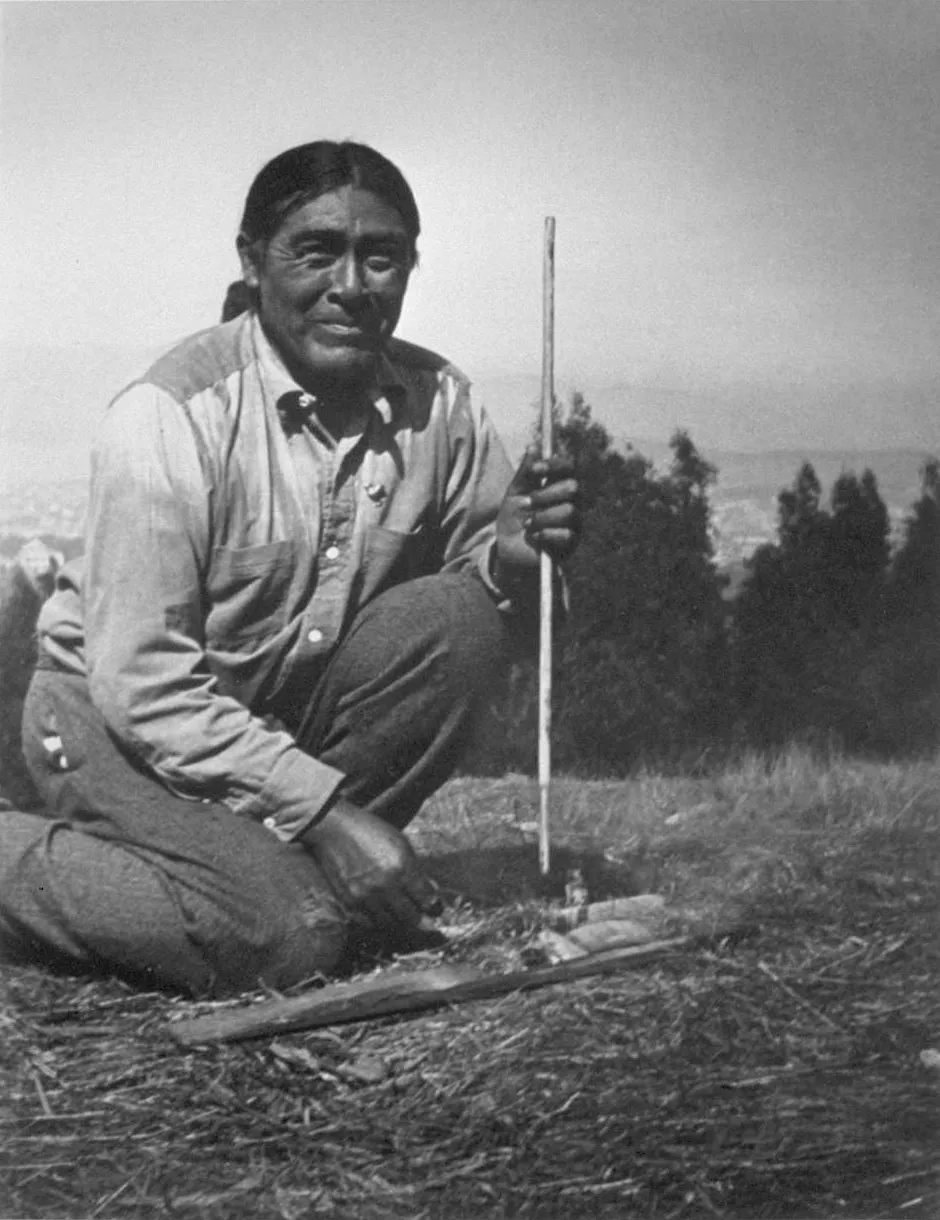 HistoryThe Last Speaker of a Language: What Dies With ThemWhen the last speaker of a language dies, revival depends on what was recorded. Manx had voices on disc; others had only word lists. The lesson for families.
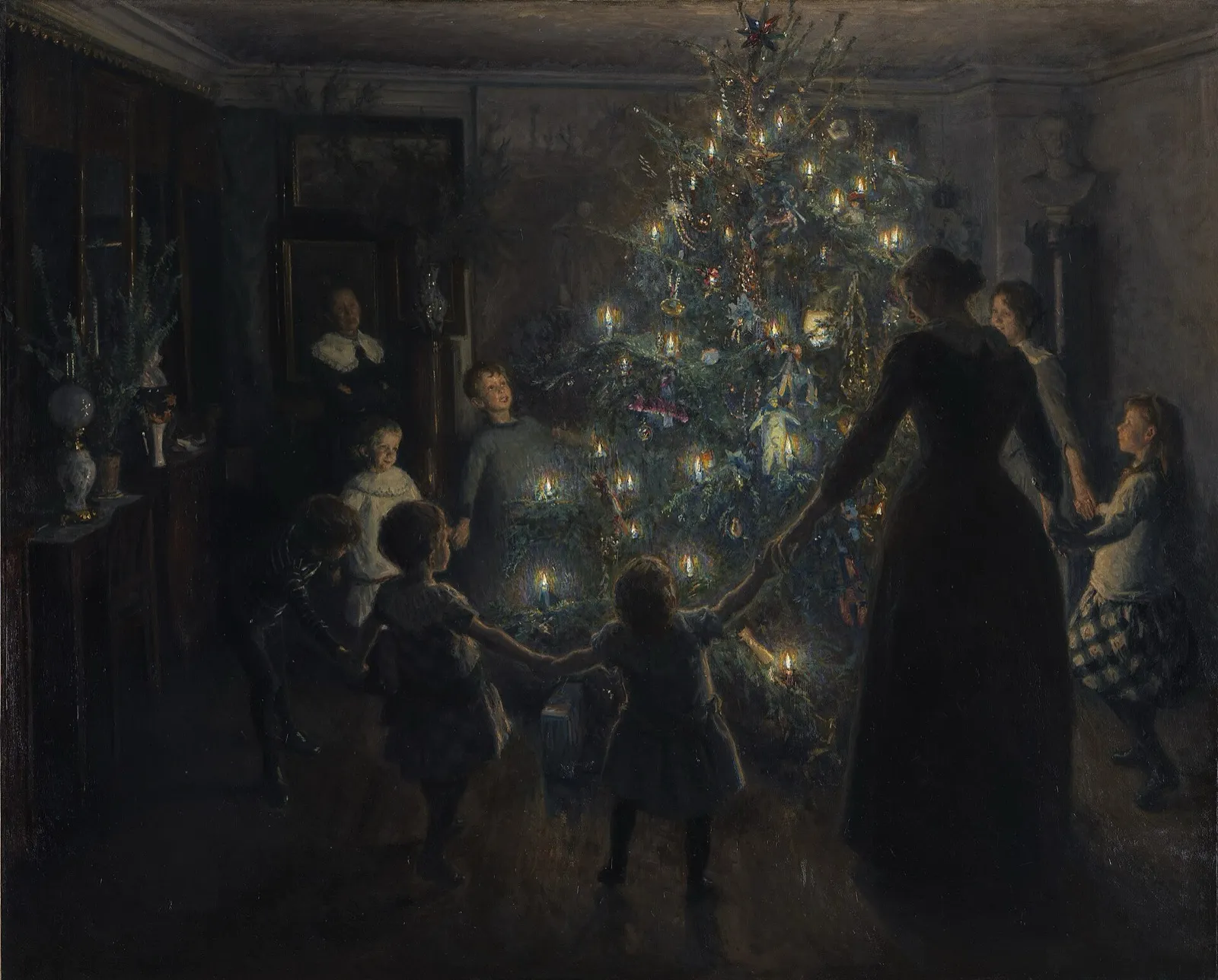 FamilySentimental Christmas Gifts for GrandparentsGrandparents who have everything rarely want more things. Sentimental Christmas gift ideas, including for nursing homes and dementia, that mean something.
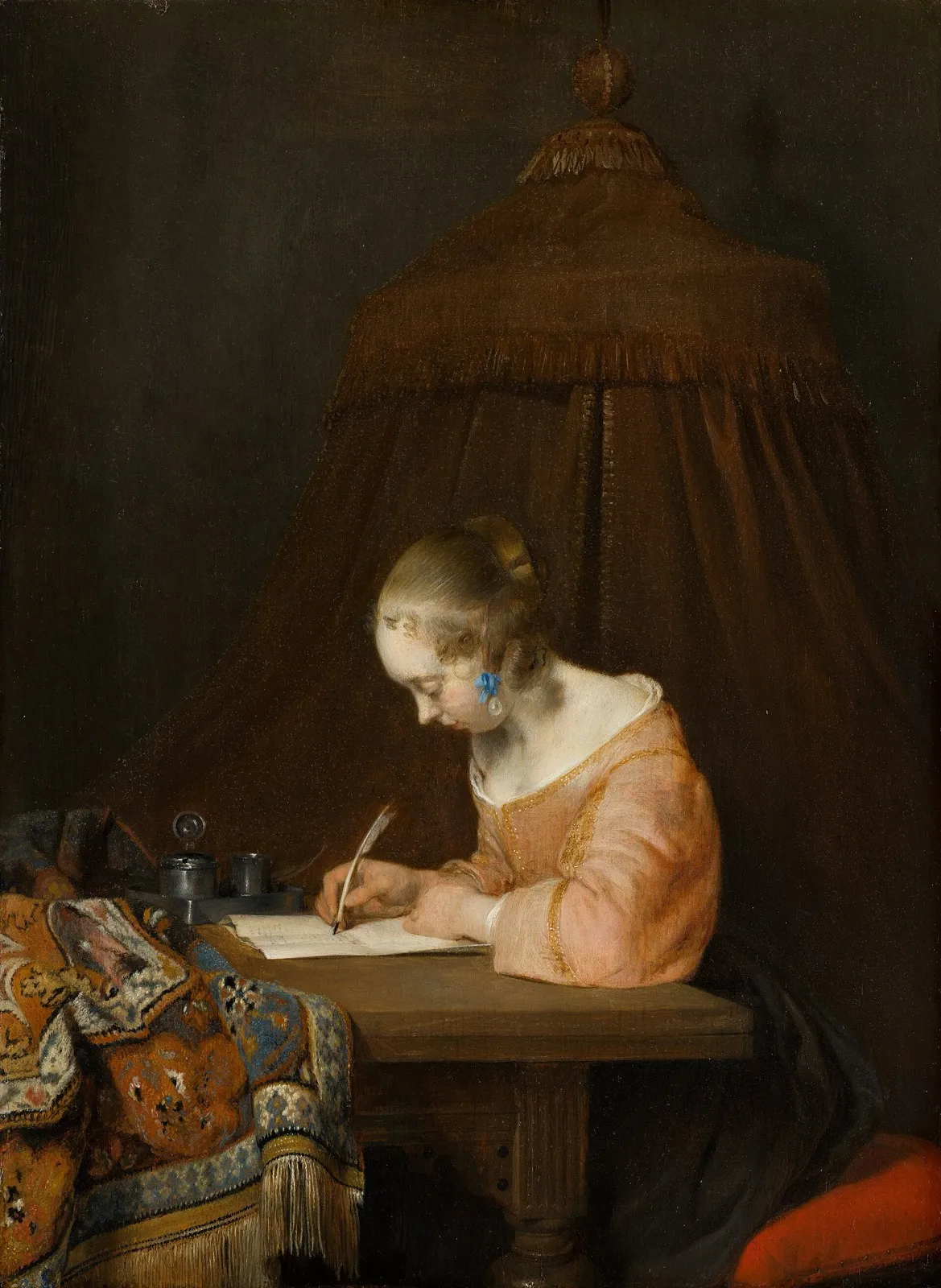 HistoryThe Lost Art of Letter Writing, and What Replaced ItFor 2,000 years, letters kept ordinary private voices alive. Then the telephone arrived, and a century of family life went unrecorded. What we can do about it.
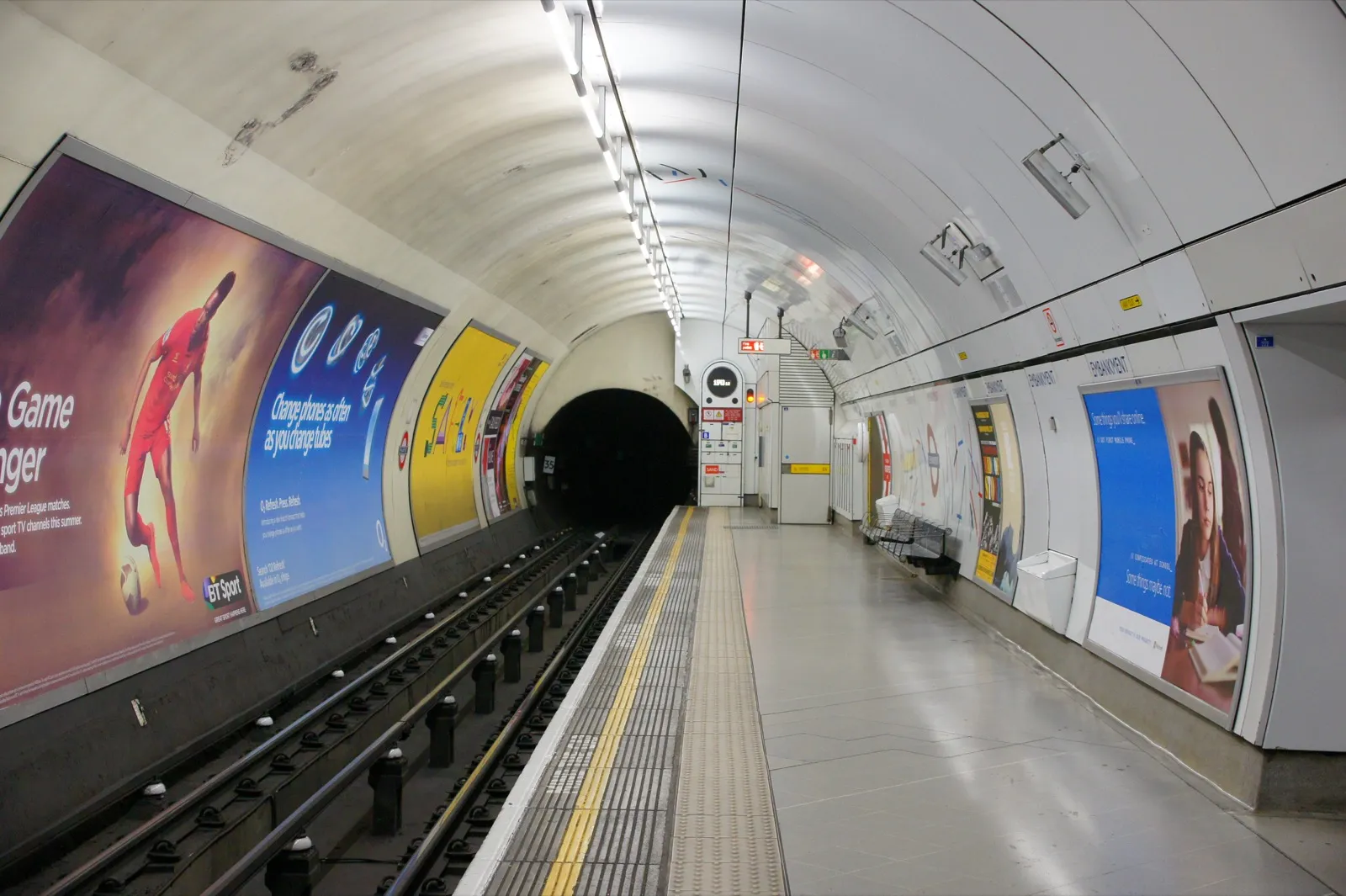 MemoryHearing a Loved One’s Voice After They Have DiedPeople keep old voicemails for years and visit stations to hear a dead husband’s voice. Why the voice matters so much, and why we save it only by accident.
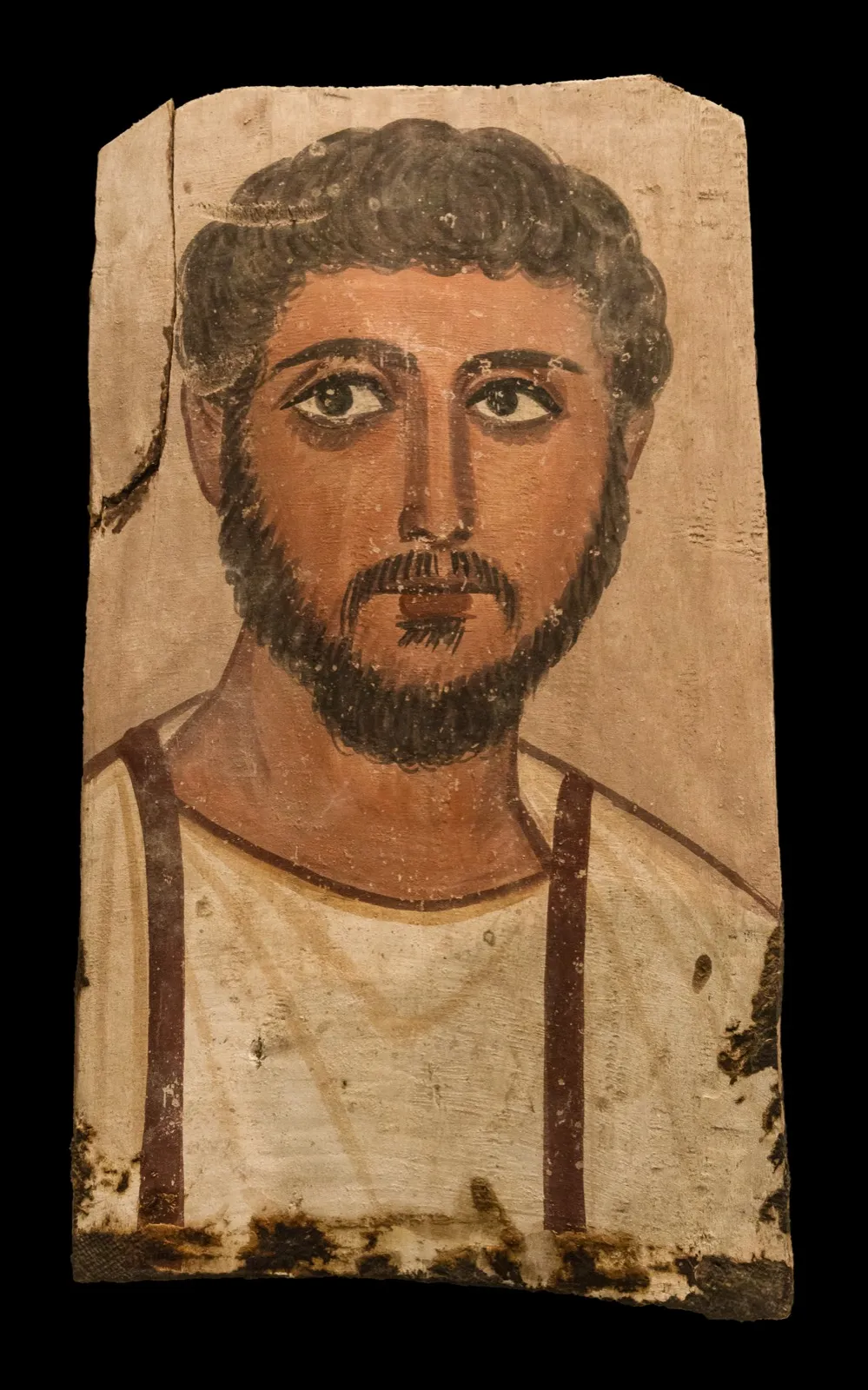 HistoryFayum Mummy Portraits: Faces Without StoriesThe Fayum mummy portraits are the most lifelike faces to survive from the ancient world. We can date their hairstyles, but we cannot hear a word they said.
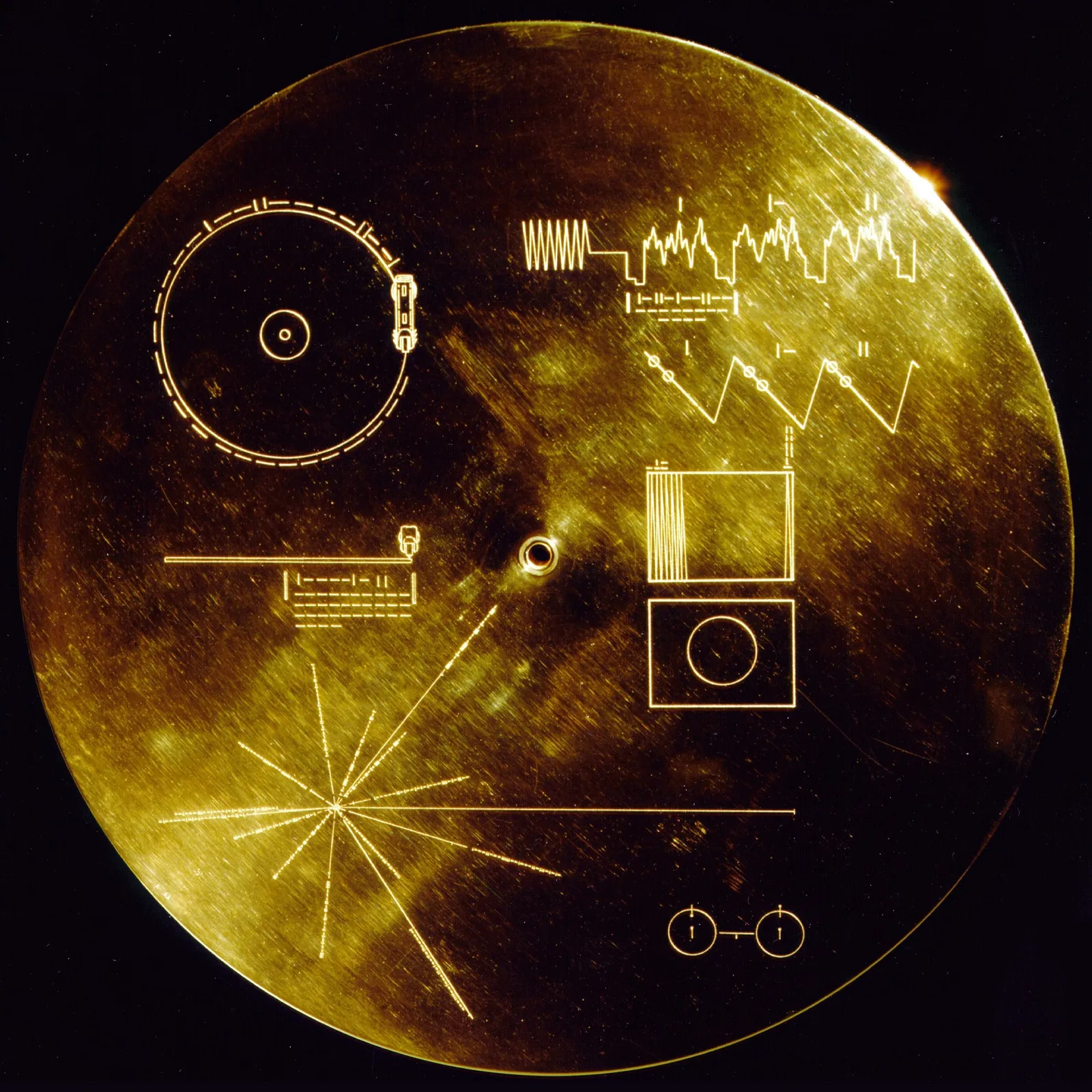 IdeasThe Voyager Golden Record: A Message for StrangersThe Voyager Golden Record is built to last a billion years, and will almost certainly never be played. What it teaches about messages to the future.
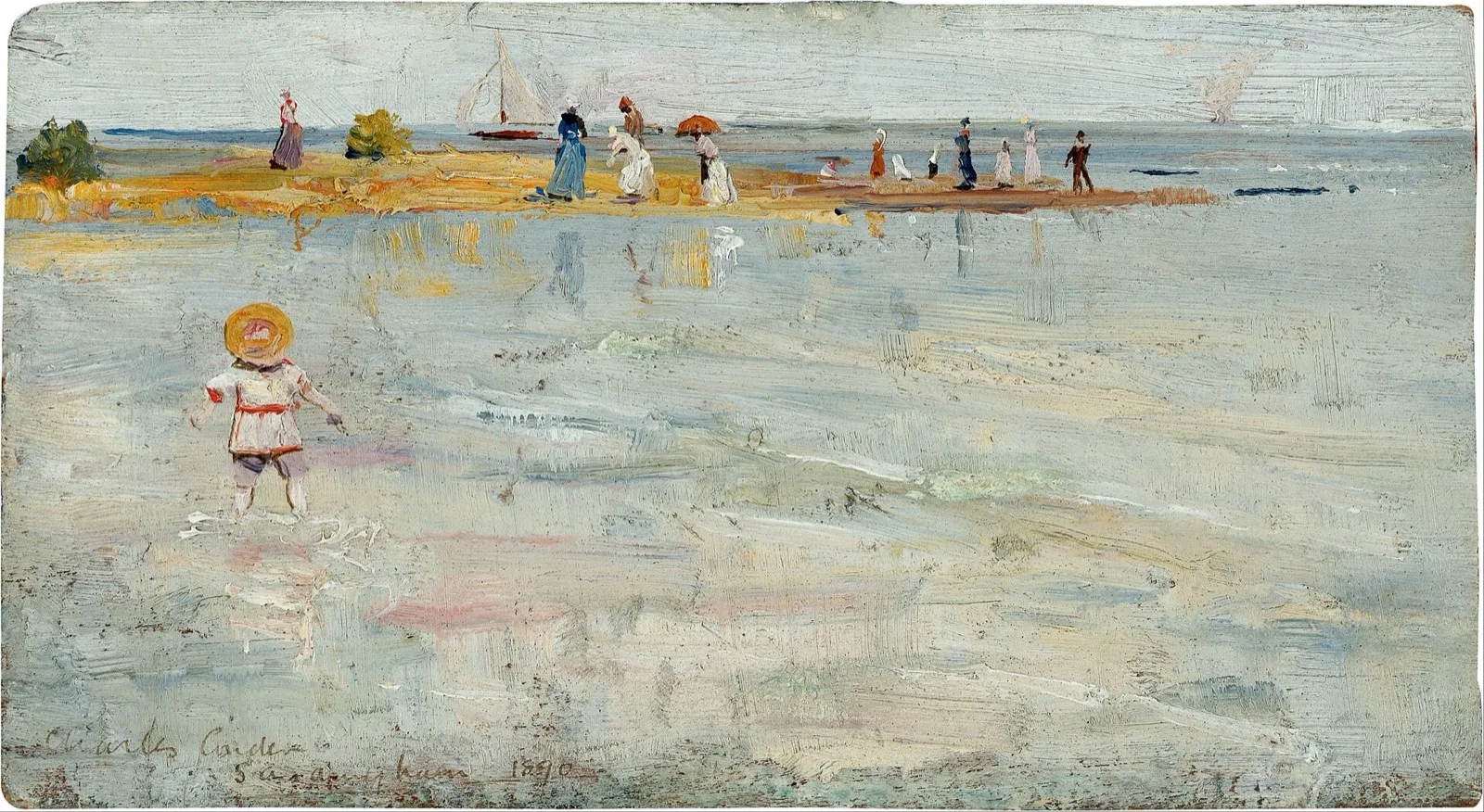 IdeasIs Oral History Reliable? What Memory Gets Wrong, and RightPeople misremember dates, places and numbers. So is oral history reliable? Why historians came to treat memory's errors as evidence, not just as mistakes.
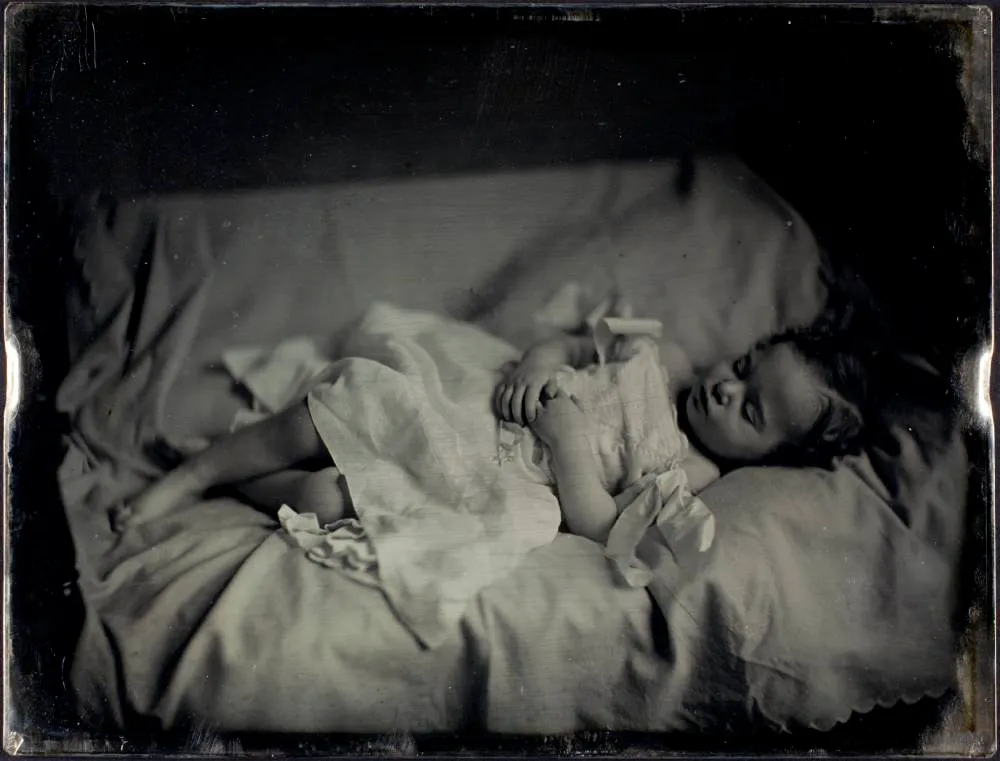 HistoryVictorian Post-Mortem Photography: Why They Did ItVictorian families paid to photograph their dead children. It looks morbid now, but it was a rational answer to a problem we still have, in a new form.
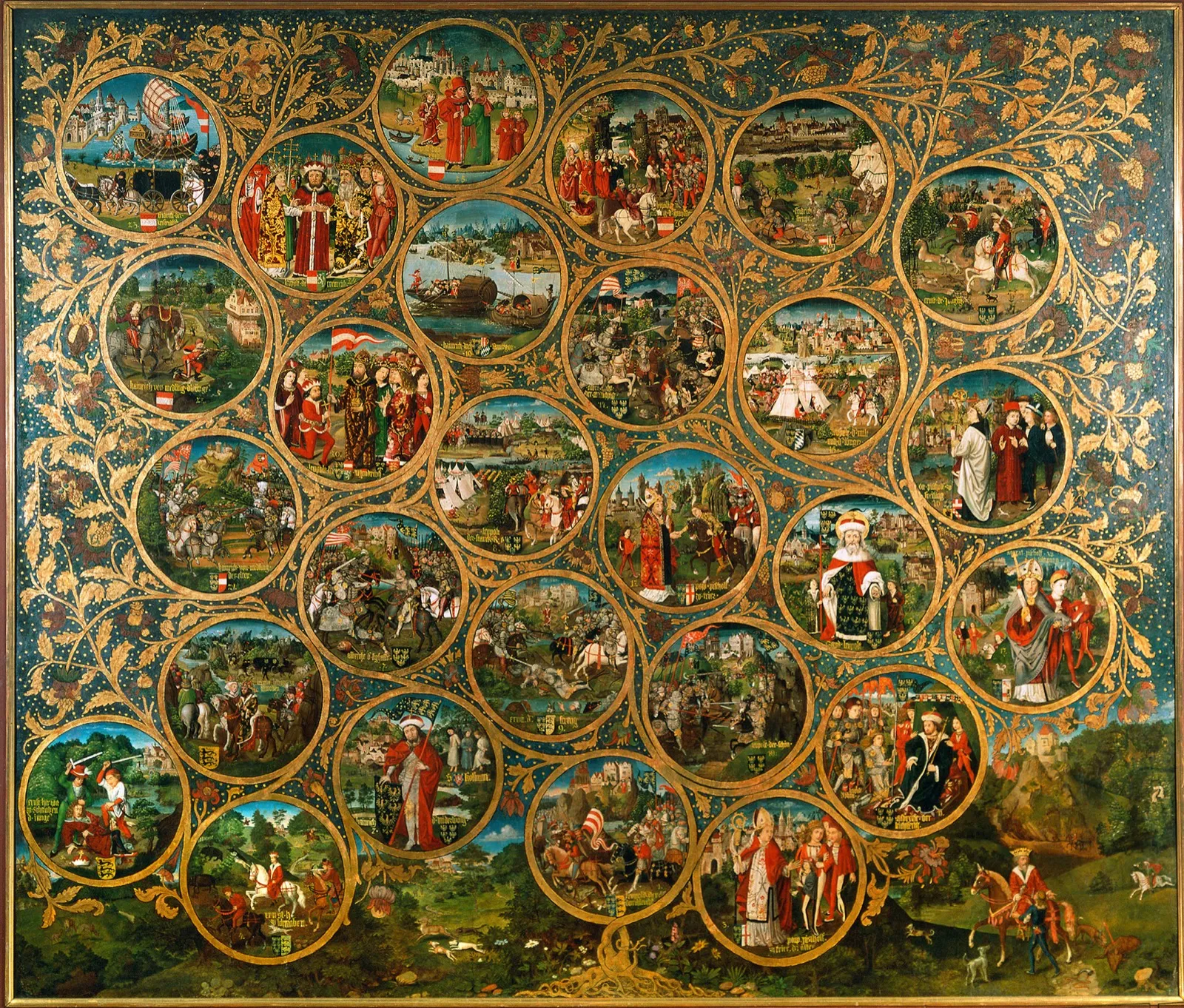 How toHow to Start a Family Tree: Begin With the LivingArchives will still be there in fifty years. The people who can name the faces in your old photos will not. Why a family tree should start with interviews.
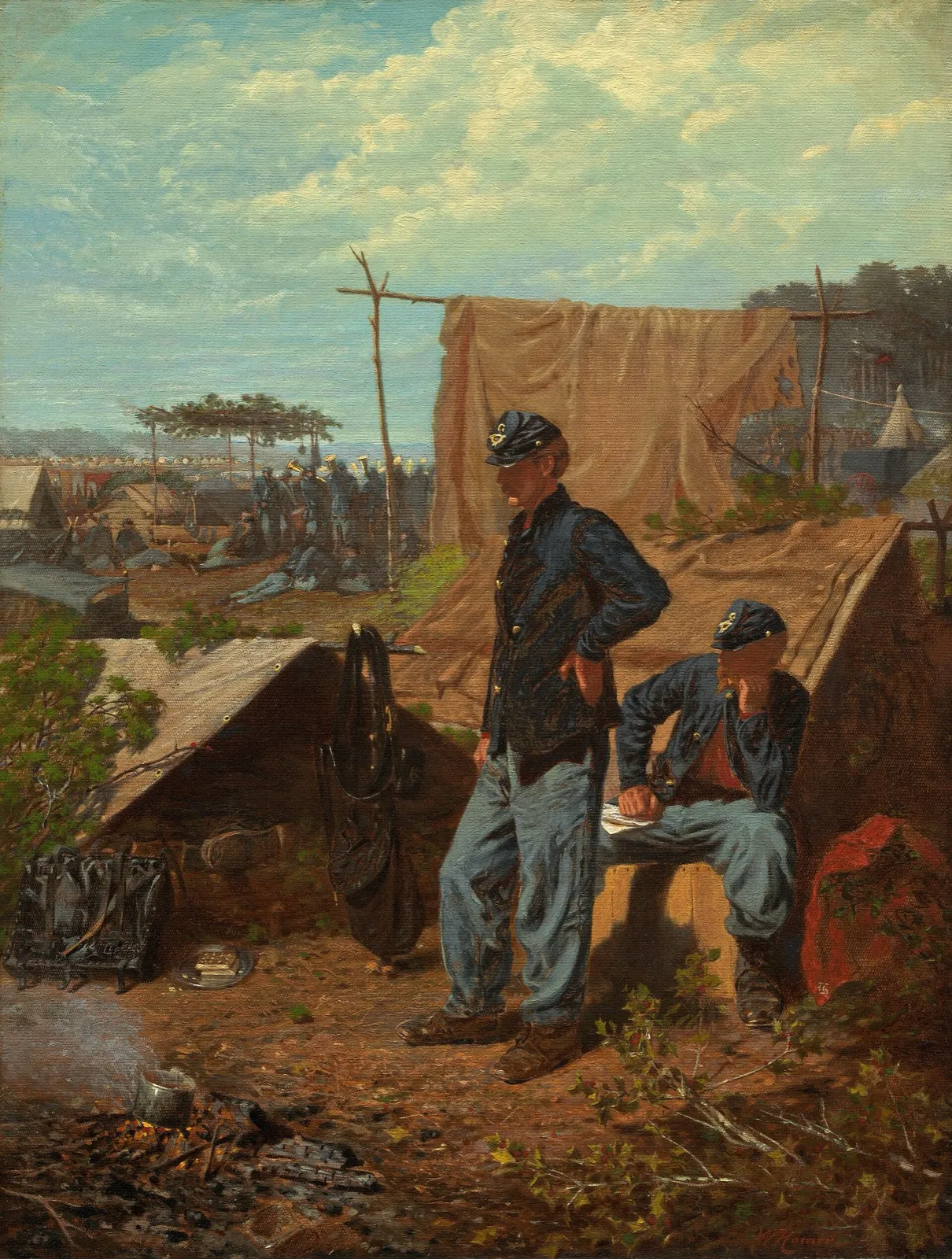 IdeasWhat Is Nostalgia? From Deadly Disease to LifelineIn 1688 a Swiss medical student named a new and sometimes fatal disease. Psychologists now think nostalgia does the opposite. Here is what changed.
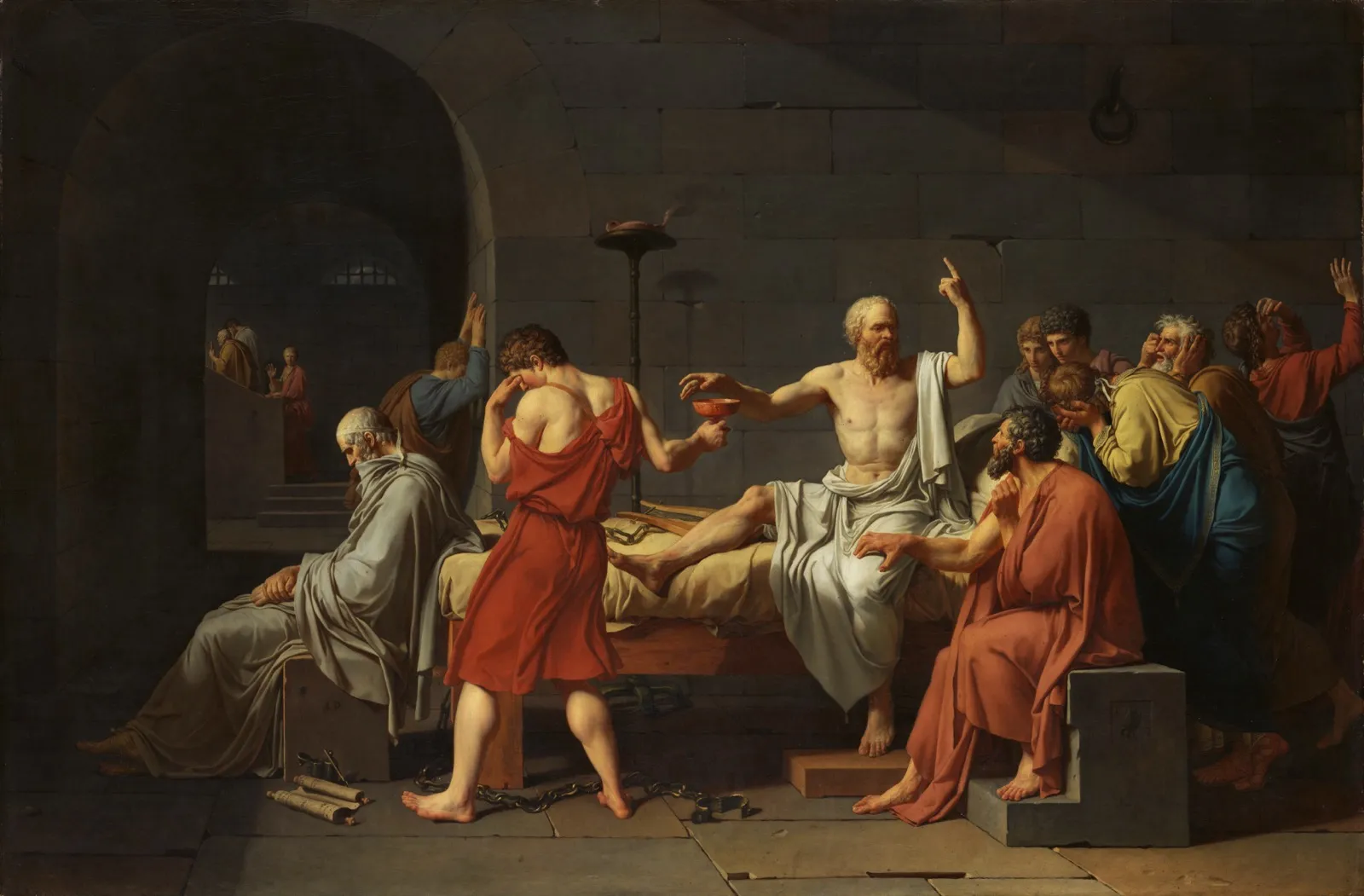 IdeasFamous Last Words, and Why We Wait for ThemSocrates’ rooster, Goethe’s “more light”, Wittgenstein’s “wonderful life”. Famous last words are seldom reliable, and the deathbed is the worst time to ask.
 FamilySwedish Death Cleaning: Keep the Stories, Not the StuffSwedish death cleaning asks what to throw out before you die. The harder question is which stories belong to the things you keep, and who will know them.IdeasWhy Do Old People Repeat the Same Stories?When an older relative tells the same story again, it looks like a memory lapse. The research suggests something else: it is the story they most want kept.
 IdeasMemento Mori: What Remembering Death Is Really ForMemento mori means “remember that you will die”. For two thousand years it was a tool for spending time well. Its most useful form today is about other people.
 IdeasThe Up Series: What Filming Lives Every 7 Years RevealsThe Up series filmed fourteen children every seven years from 1964 to 2026. What it shows about class, memory and who gets to tell the story of a life.
 How toHow to Preserve Family Recipes Before They Are LostThe oldest written recipes skip the measurements, and so does Grandma’s card. Why family recipes die with the cook, and how to preserve them properly.
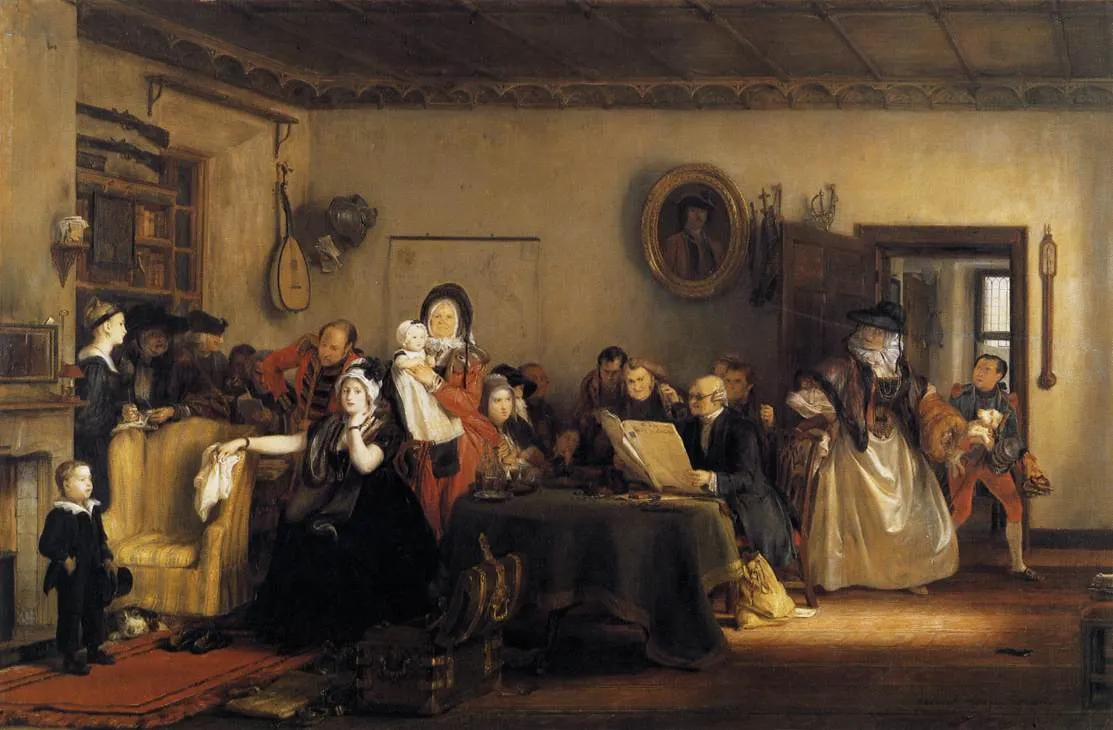 Your own storyCan I Do a Video Will? What Australian Law SaysCan you make a video will in Australia? Courts have accepted a few, but only after costly hearings. Why a video is a poor will and a very good companion to one.
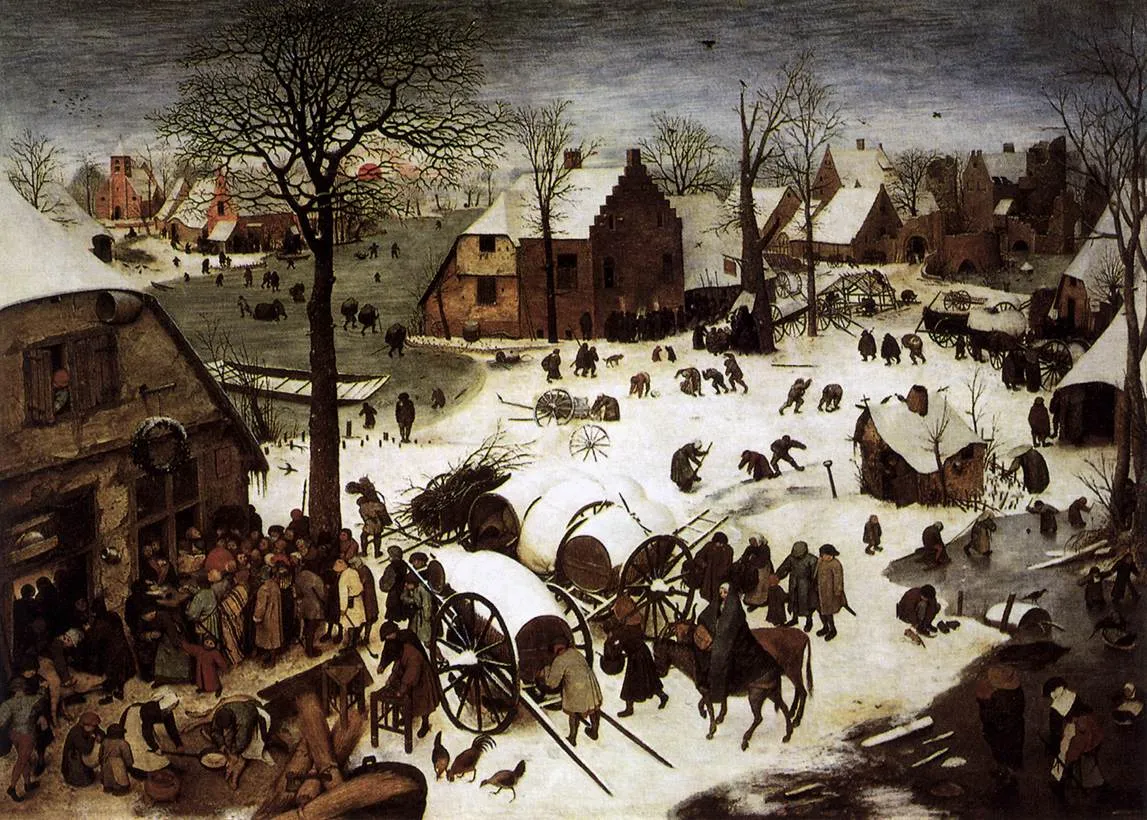 HistoryHow Many People Have Ever Lived? About 117 BillionAbout 117 billion people have ever lived, and almost none can now be seen, heard or even named. Why that happened, and why the people alive now can change it.
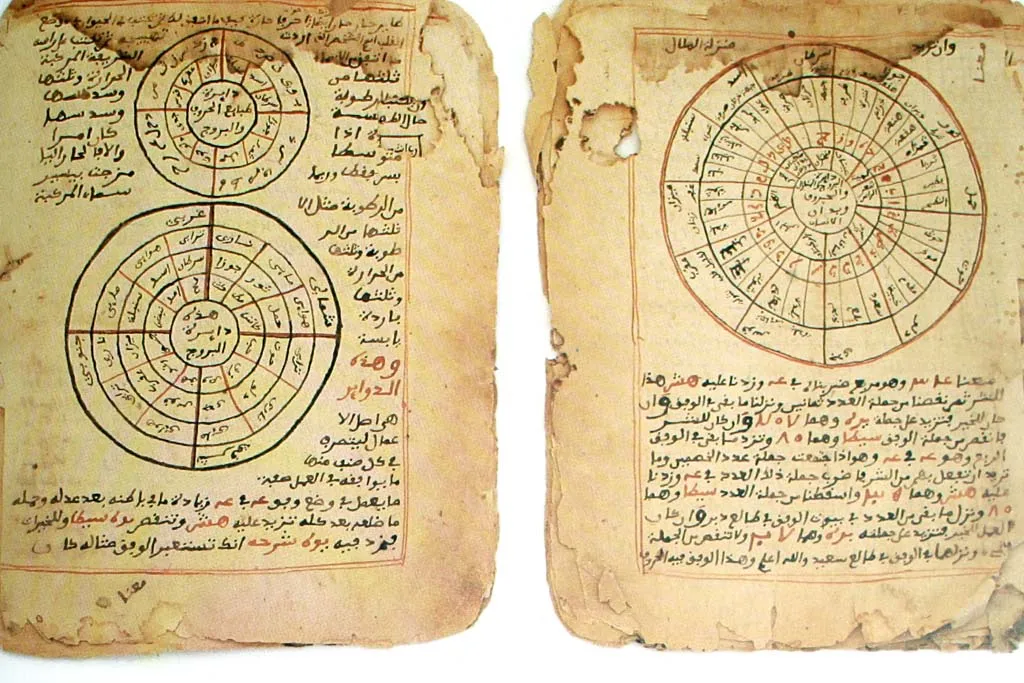 HistoryWhen an Old Man Dies, a Library Burns: What It Means“When an old man dies, a library burns.” Amadou Hampâté Bâ’s famous line is usually read as a lament. It works better as an instruction we can now follow.IdeasChildhood Amnesia: Why We Forget Our Earliest YearsAlmost no one remembers being two. Psychologists call it childhood amnesia. Why it happens, why many first memories are invented, and who keeps those years.
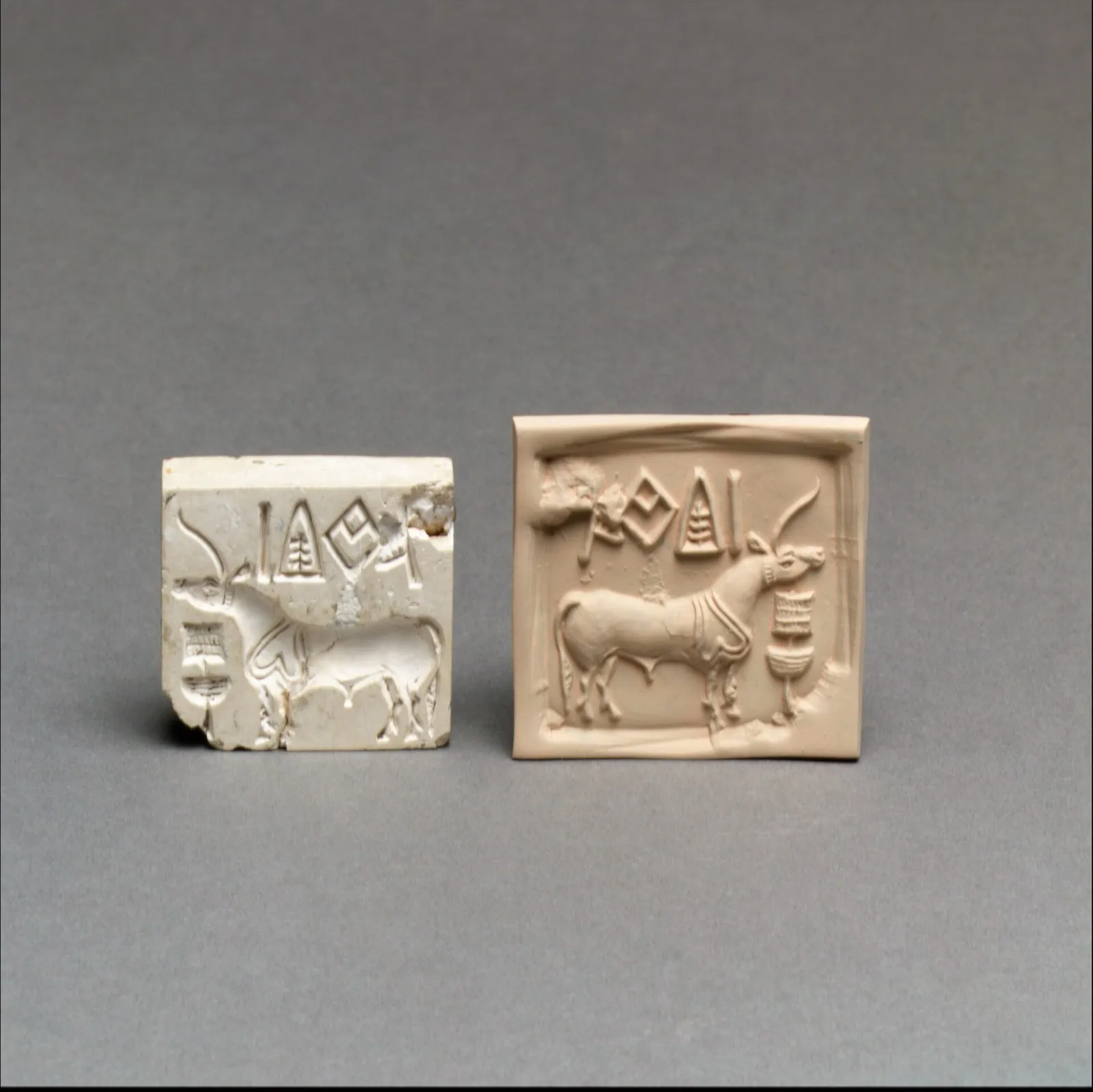 HistoryLost Cultures: The Peoples History Barely RemembersLost cultures like the Indus and the Picts left cities and carvings but almost no voice. Why whole peoples vanish, and what it means for your own family.
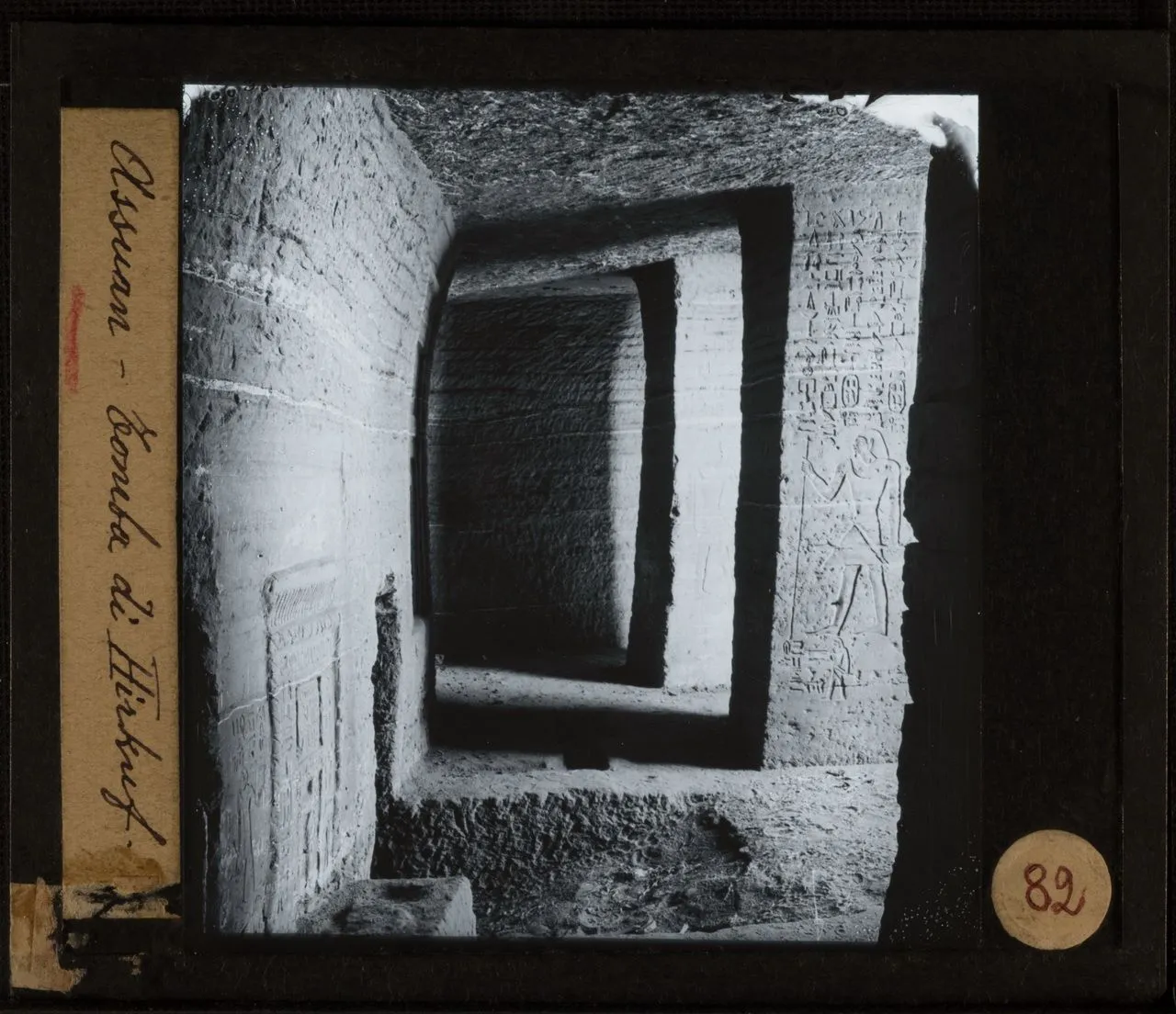 HistoryThe Earliest Biographies Ever Written, and What They KeptThe earliest biographies were carved on tombs and written for kings. The best ancient biographers knew a person shows more in a jest than in a battle.
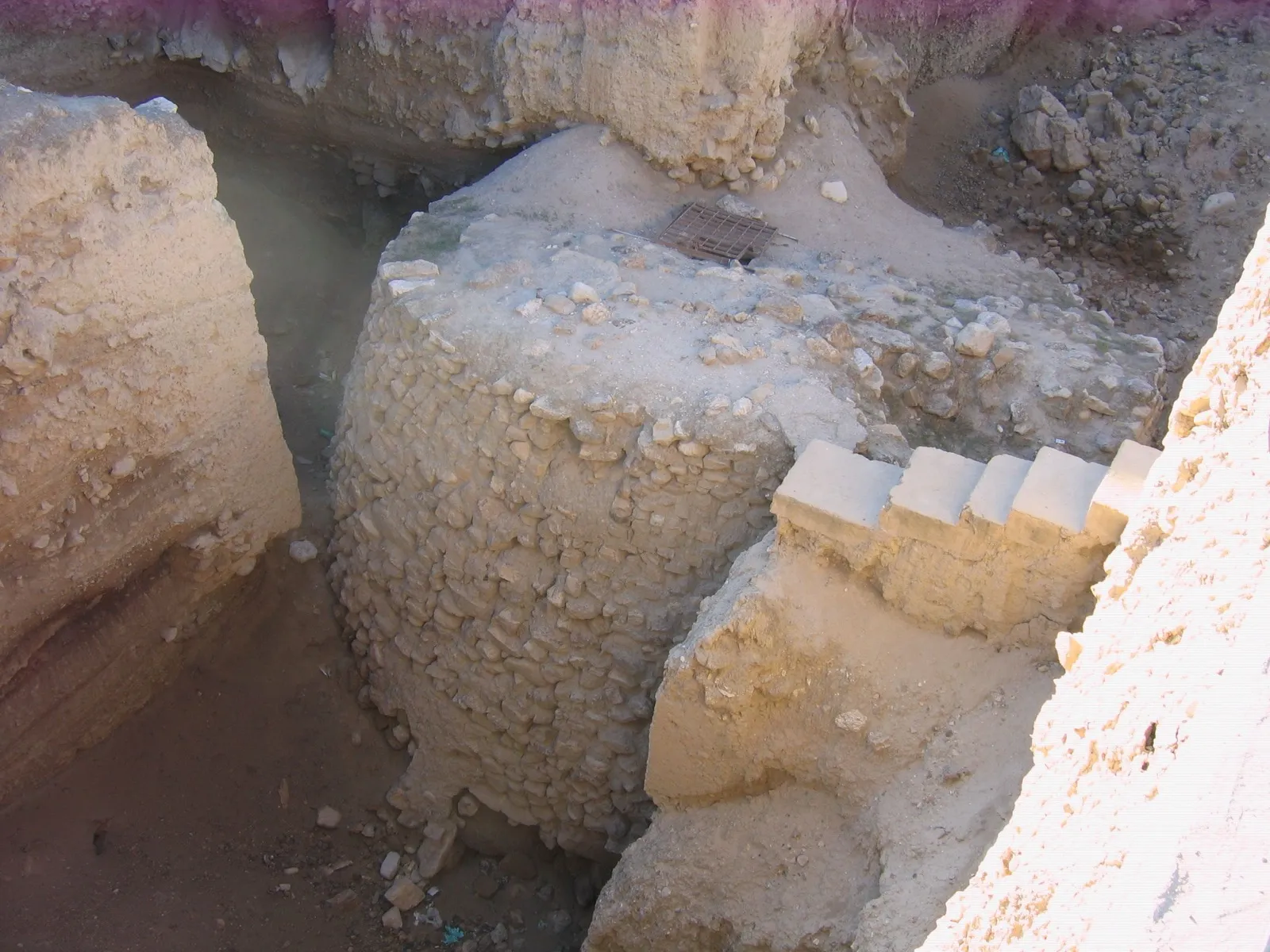 HistoryThe First Human Settlements Were Built Around the DeadThe first human settlements kept their dead beneath the floor. Jericho and Çatalhöyük suggest settling down was also about staying close to family.
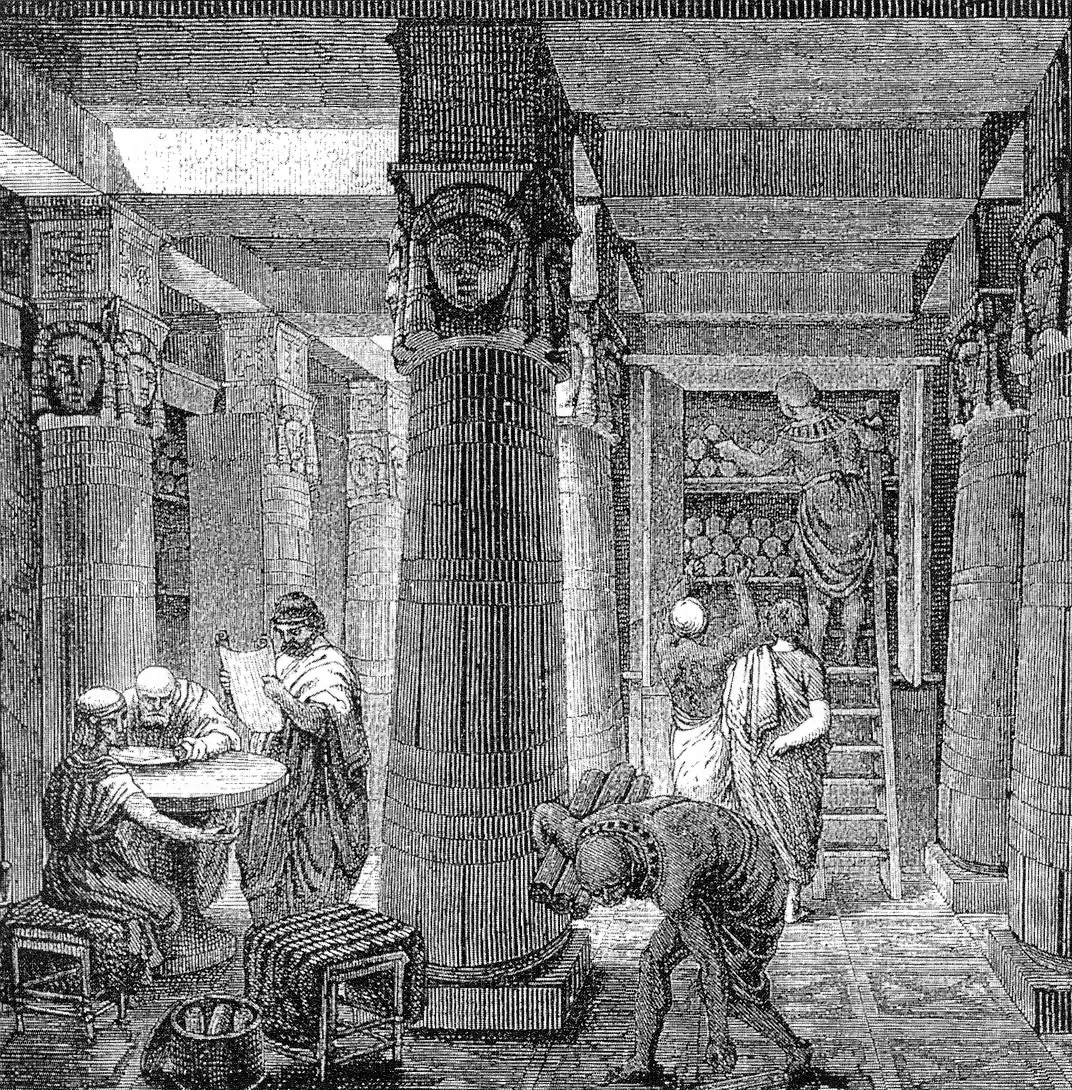 HistoryLost Works of History, and the Mistake We Still MakeAeschylus wrote around 80 plays and seven survive. The lost works of history mostly vanished through neglect, not fire, and we are repeating the mistake.
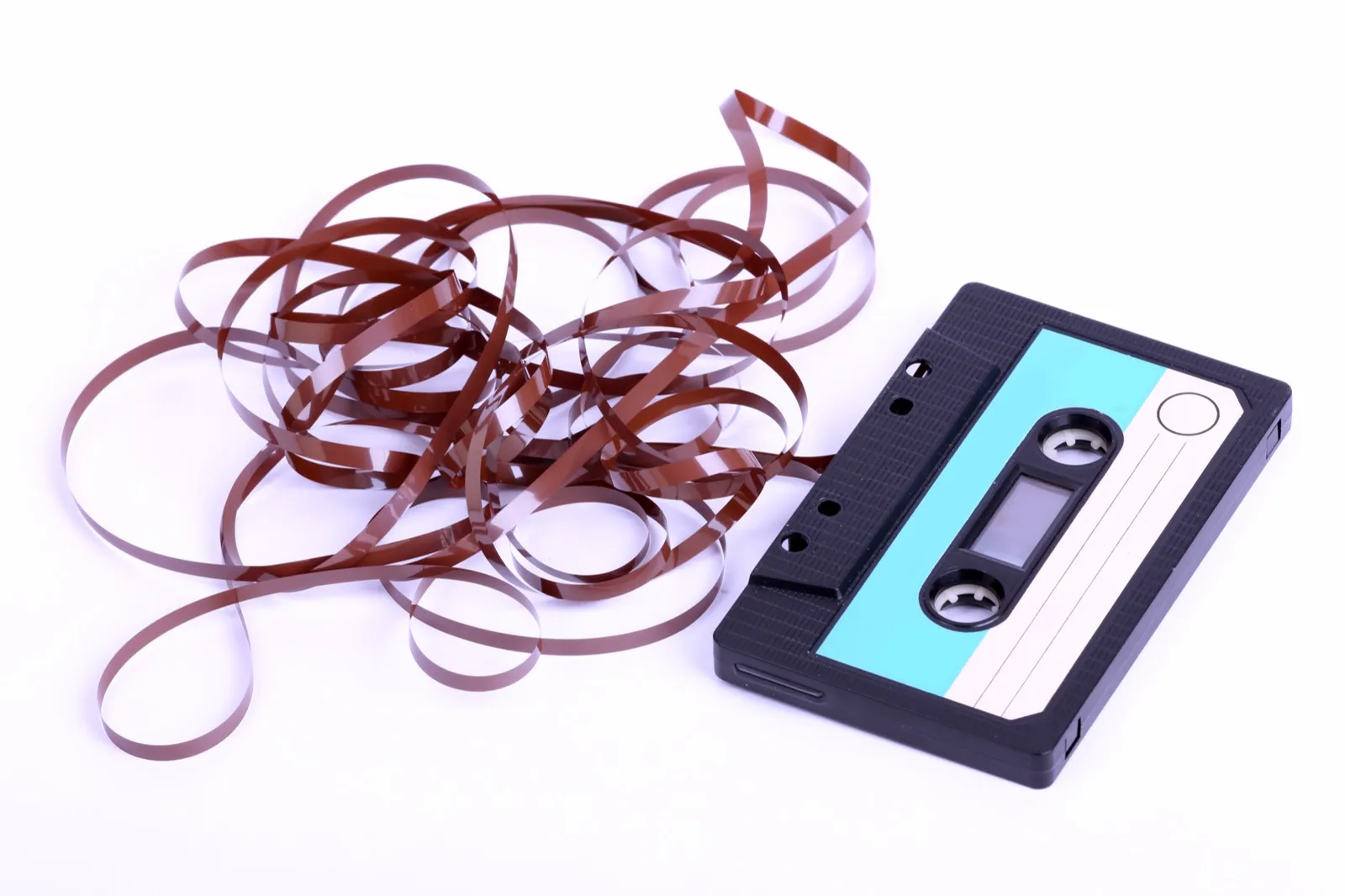 IdeasAudio vs Video Recording: Which Is Future-Proof?An 1860 recording sat unheard for 148 years. What it teaches us about audio vs video recording, and why a voice alone is not a safe way to keep a life story.
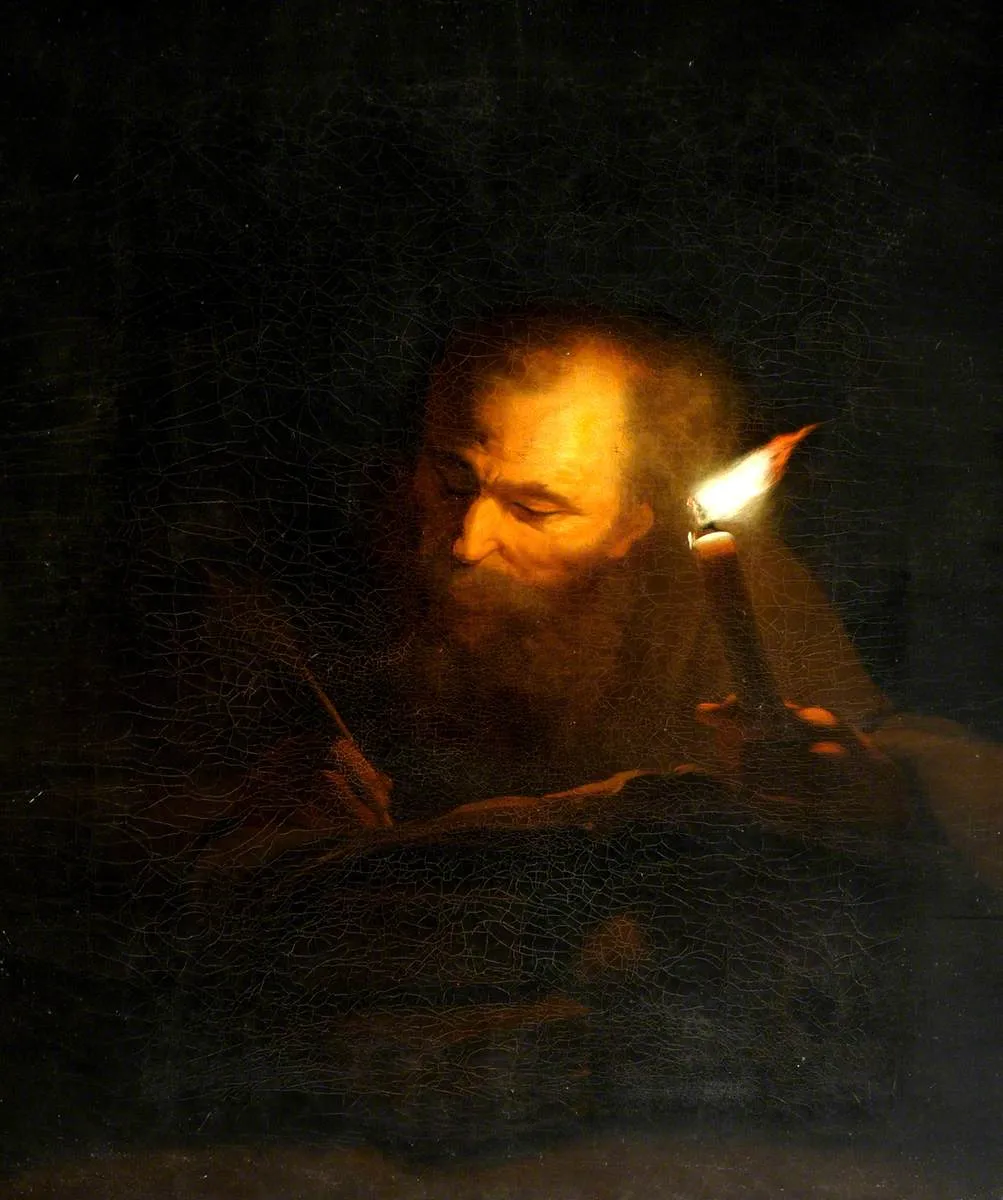 IdeasJean Meslier: The Priest Who Hid His Real ThoughtsJean Meslier preached for forty years and believed almost none of it. He left his real thoughts in a manuscript, and others rewrote them. What it teaches us.
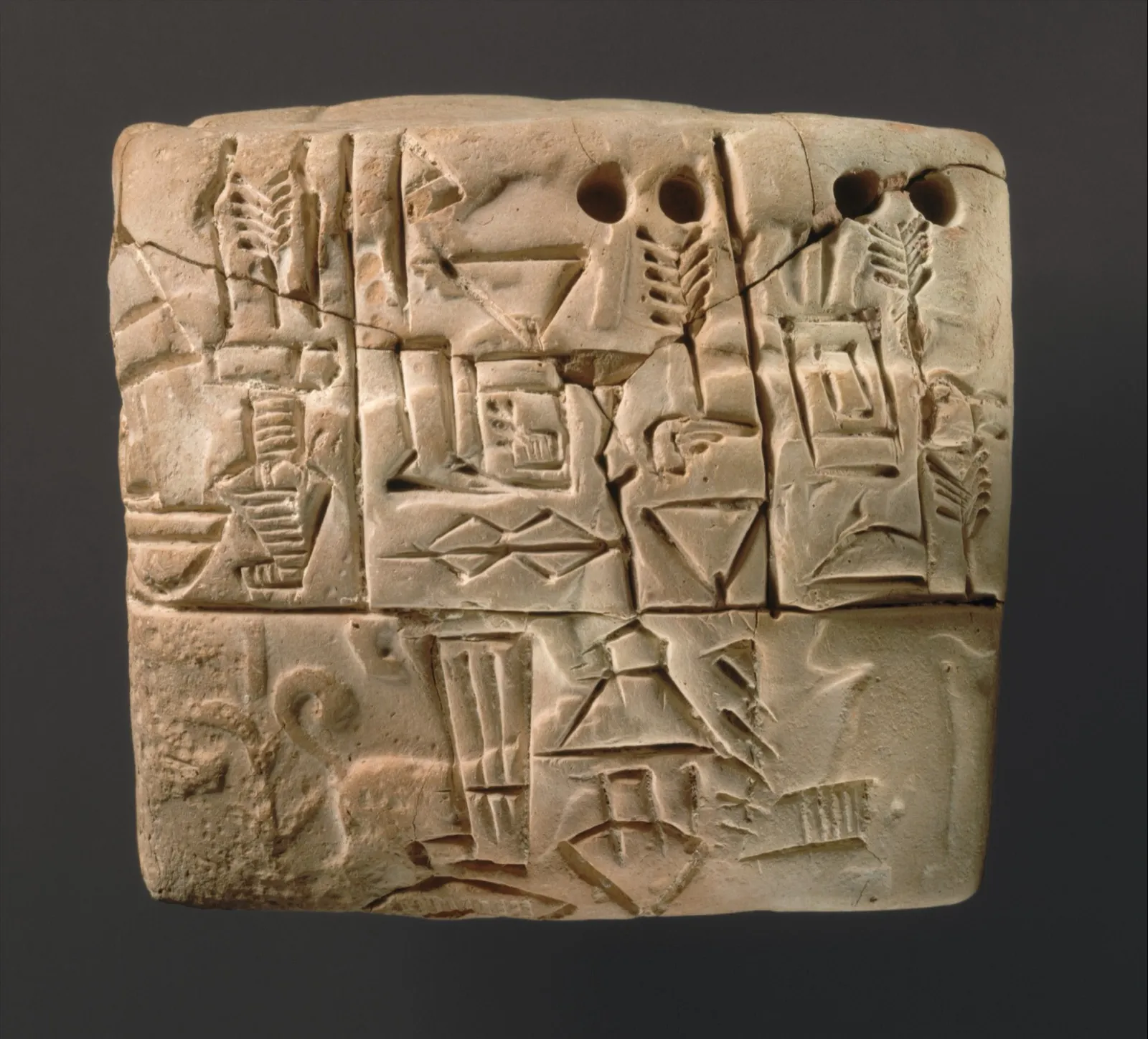 HistoryKushim: The First Name in Writing Was an AccountantThe oldest name in writing may belong to Kushim, a barley accountant in Uruk. What his tablet reveals about who history remembers, and who it forgets.
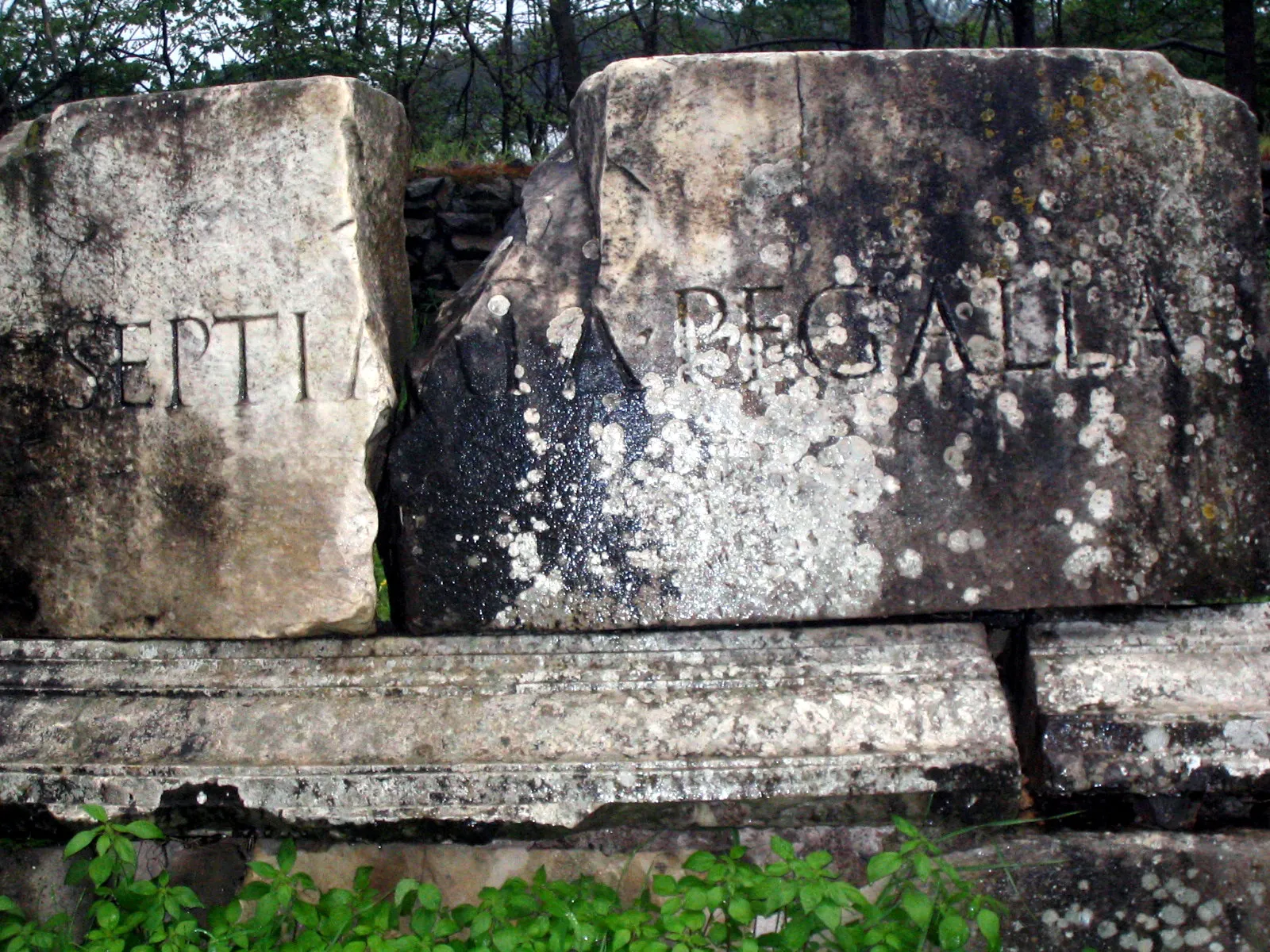 HistoryRemember Me As You Pass By: The Story of an EpitaphA gravestone in an abandoned gold-rush town asked me to remember a man I knew nothing about. The verse is older than he was, and it meant something else.
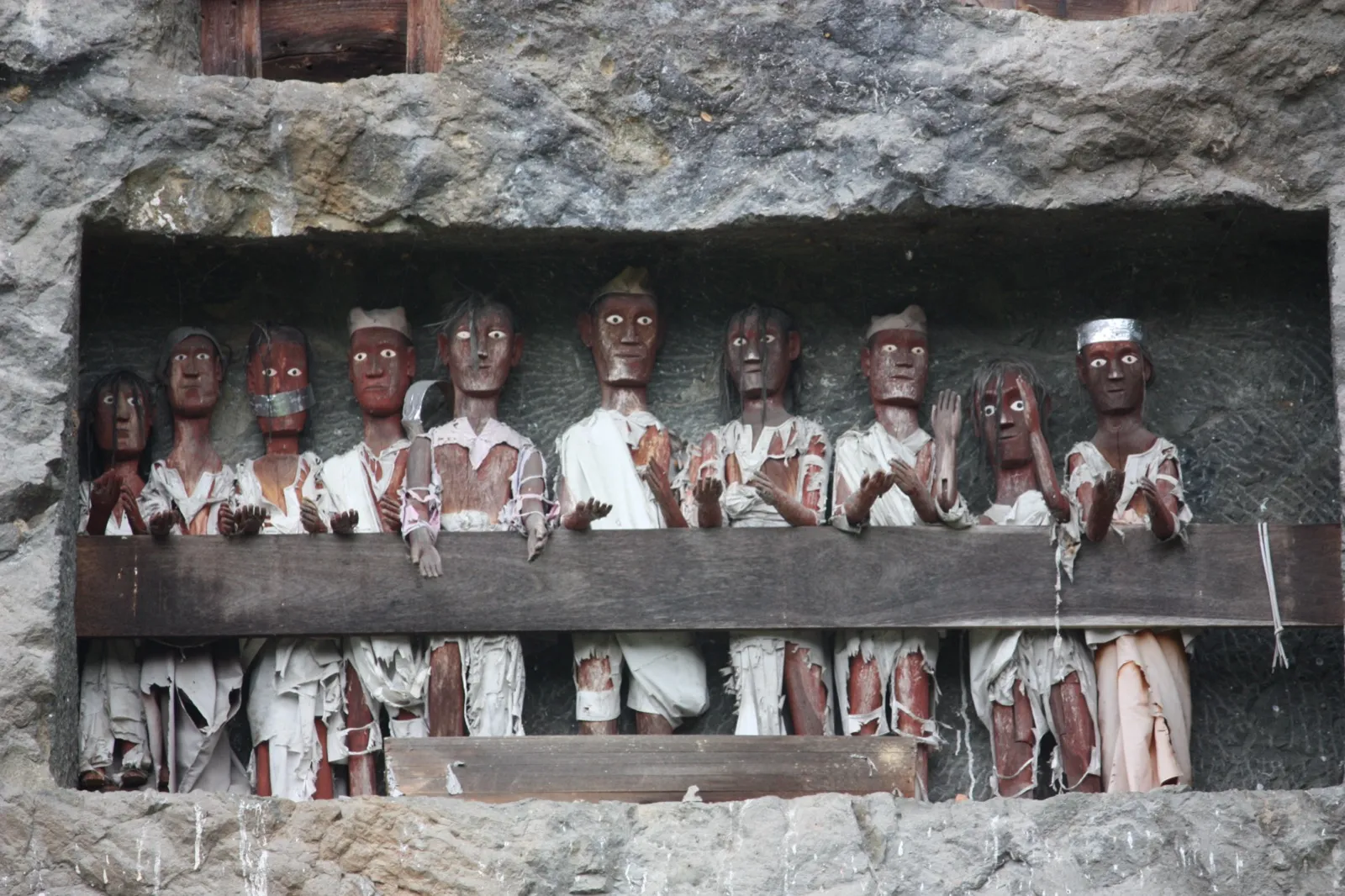 HistoryHow Different Cultures Remember the DeadFrom Mexico's ofrendas to Japan's 33rd-year rites, cultures remember their dead in very different ways. Almost all of them stop at the same point.
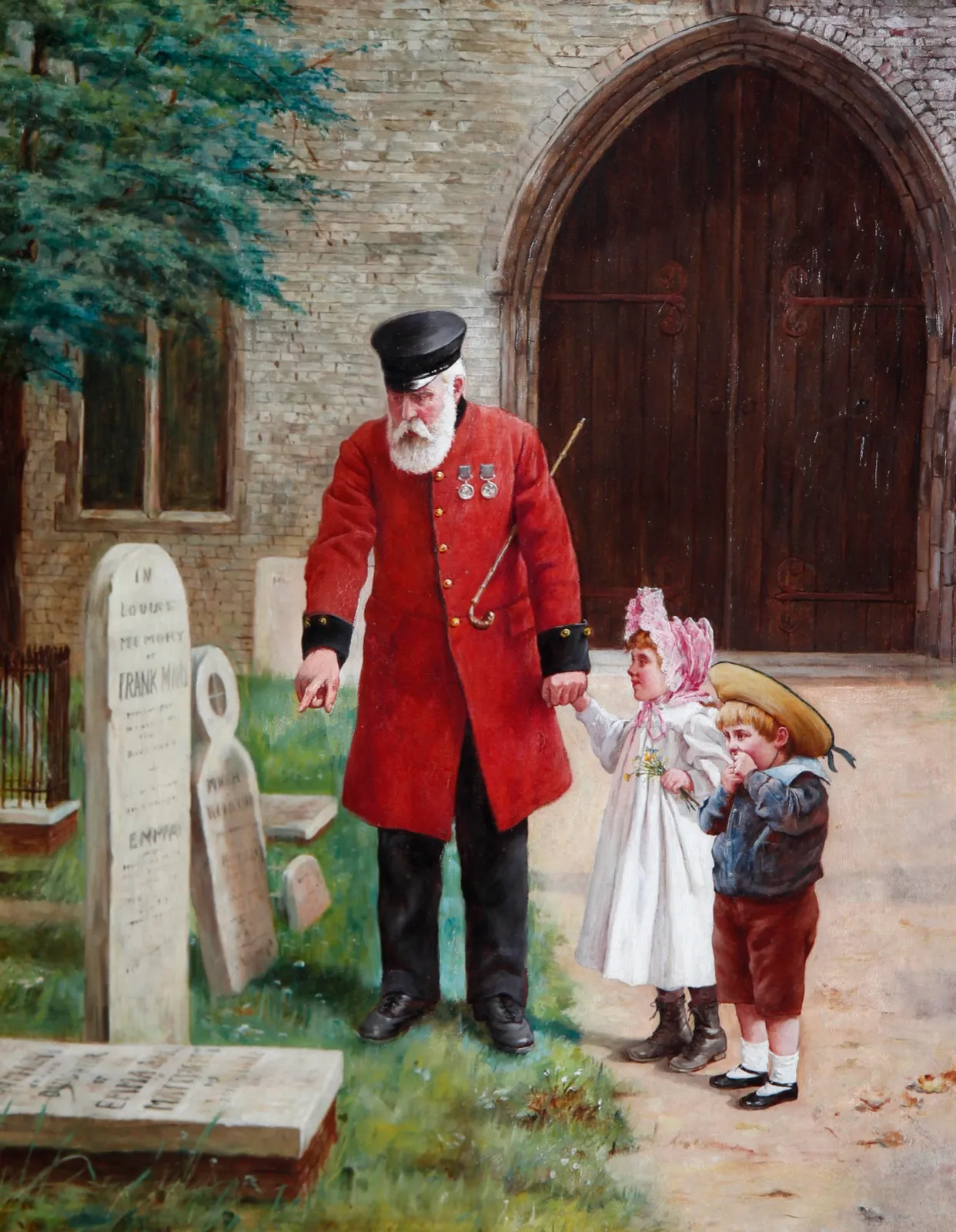 How toInterview Questions for Kids to Ask Their GrandparentsChildren ask the questions adults think are too obvious, and those answers are the first to vanish. Interview questions for kids to ask grandparents, by age.
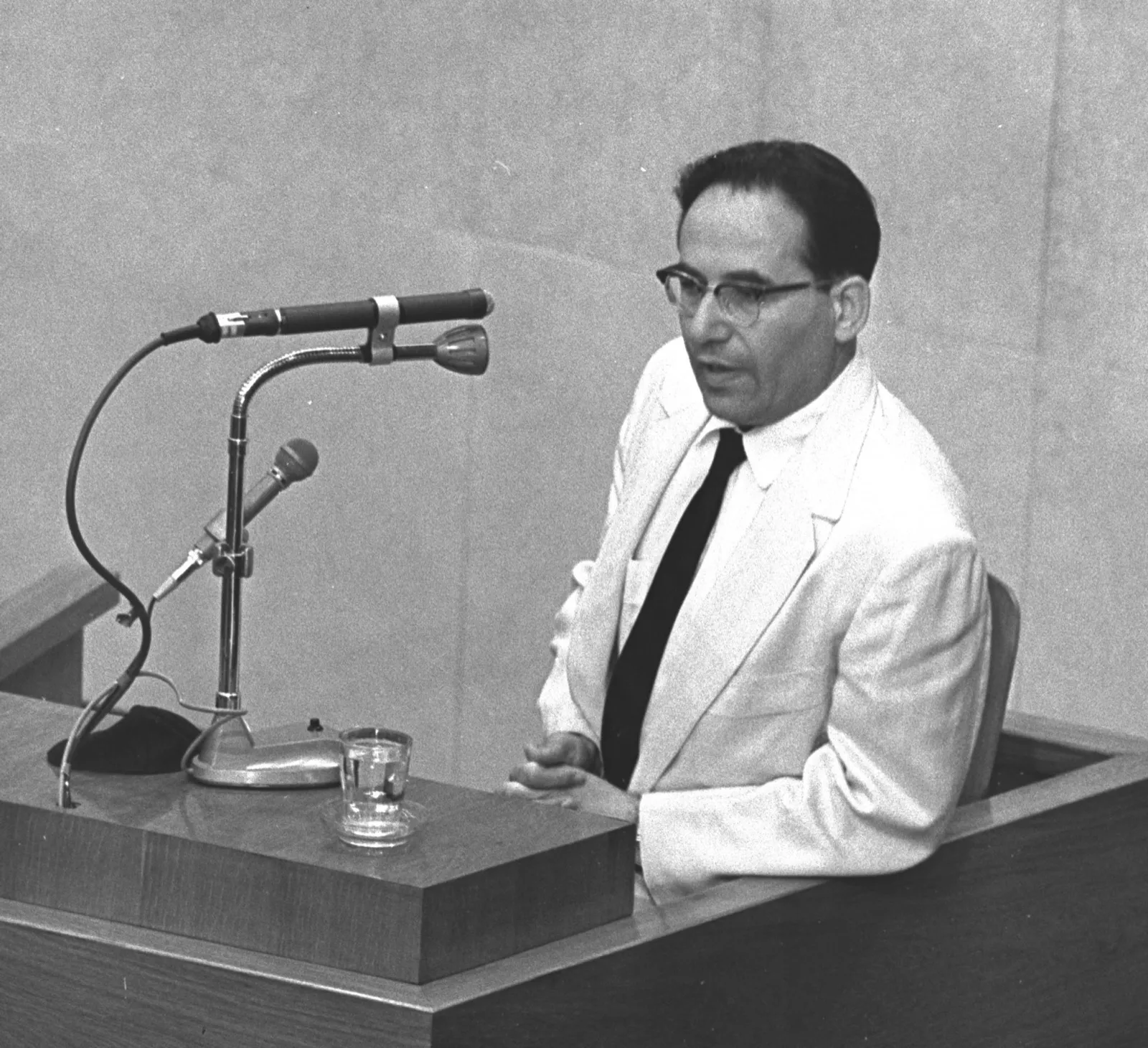 HistoryHolocaust Survivor Testimonies: Why 55,000 Were FilmedThe largest archive of Holocaust survivor testimonies is on video, not paper. The reasons behind that choice apply to every family with a story to keep.
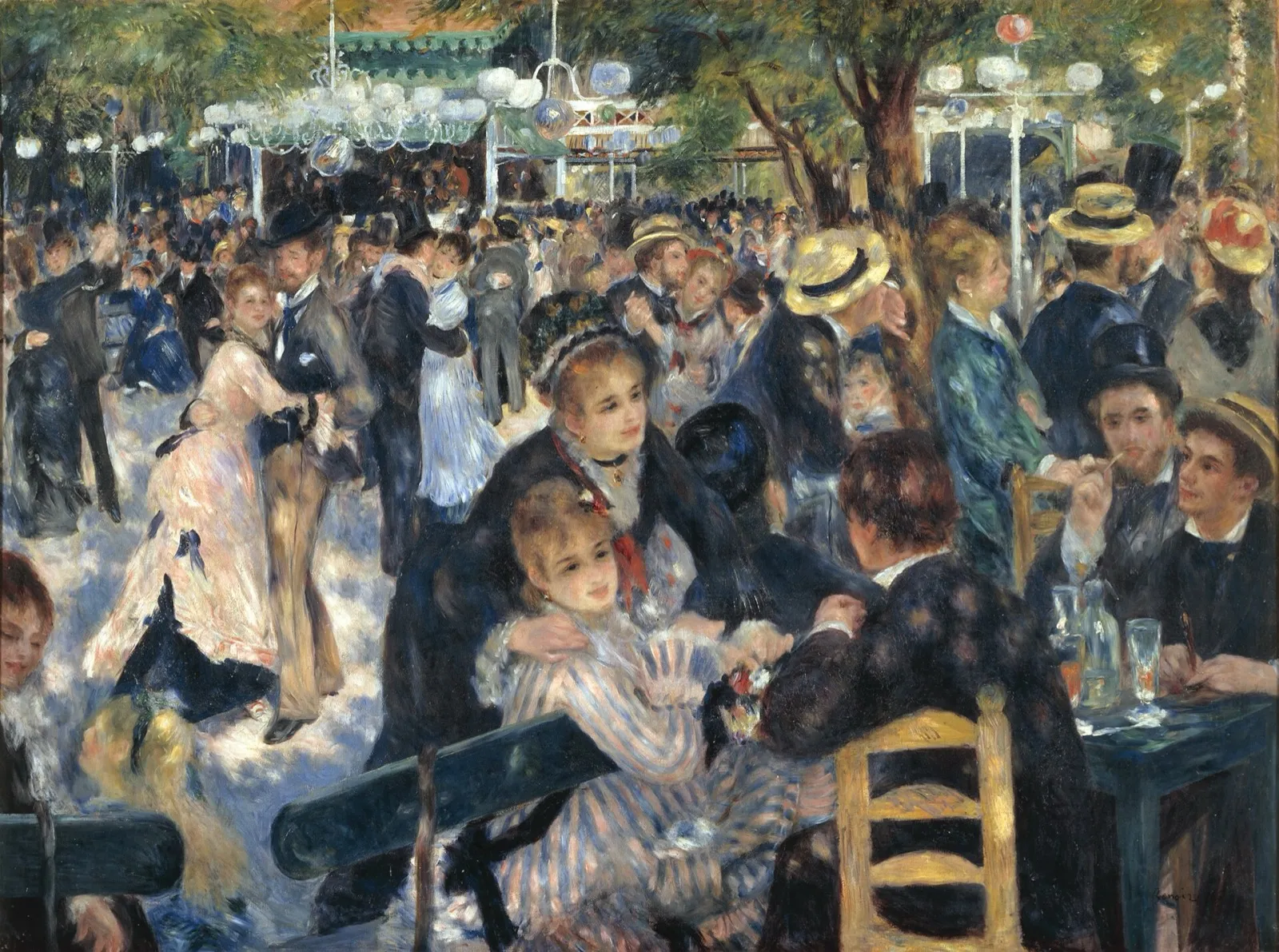 IdeasThe Reminiscence Bump: Why We Remember Our TwentiesAsk an 80-year-old about their life and most of the vivid memories come from ages 10 to 30. Psychologists call it the reminiscence bump. Here is why it happens.
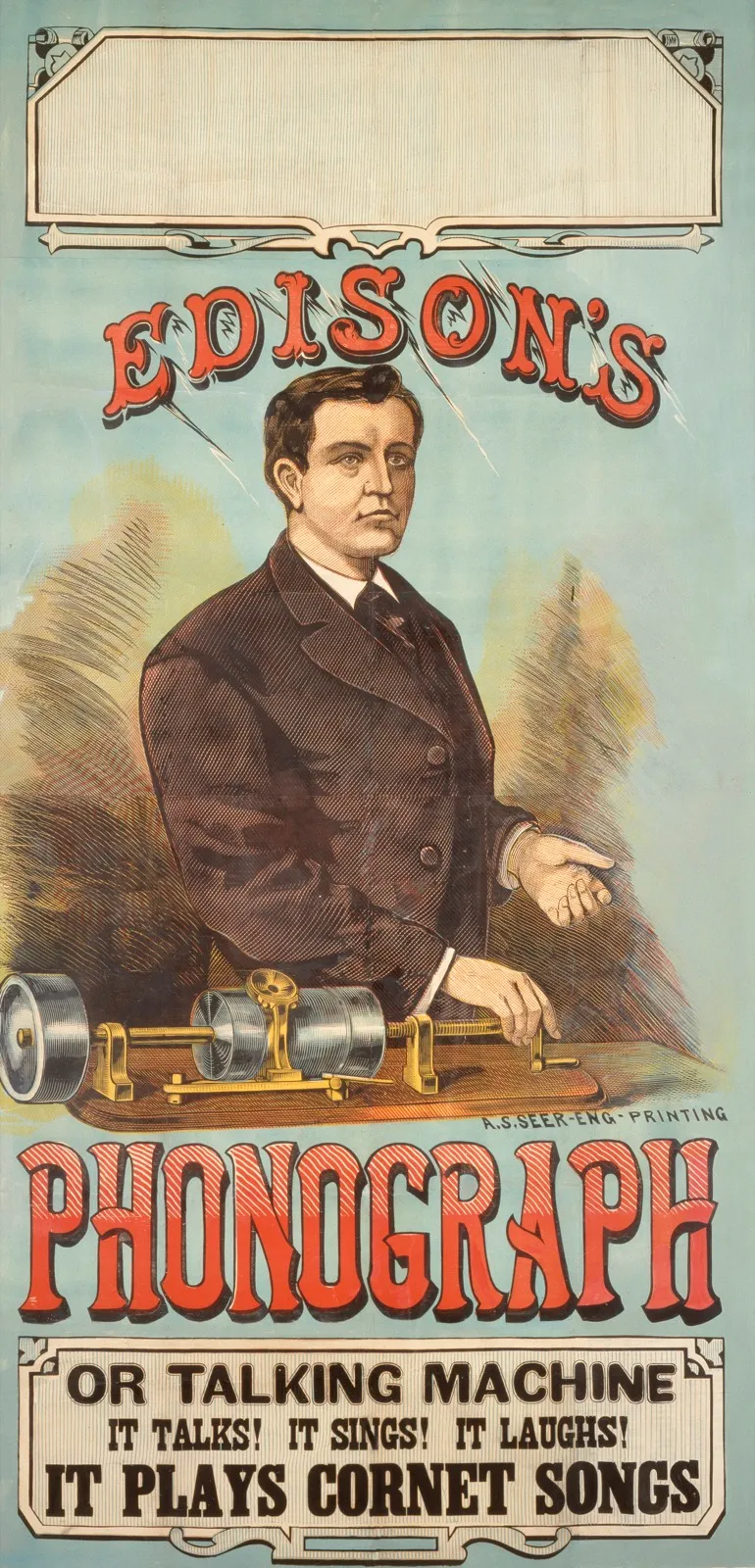 IdeasThe Future of Storytelling Is Video, Not TextIn 1878 Edison predicted families would record each other’s stories. It took 150 years. Why the future of storytelling is video, and what changed.
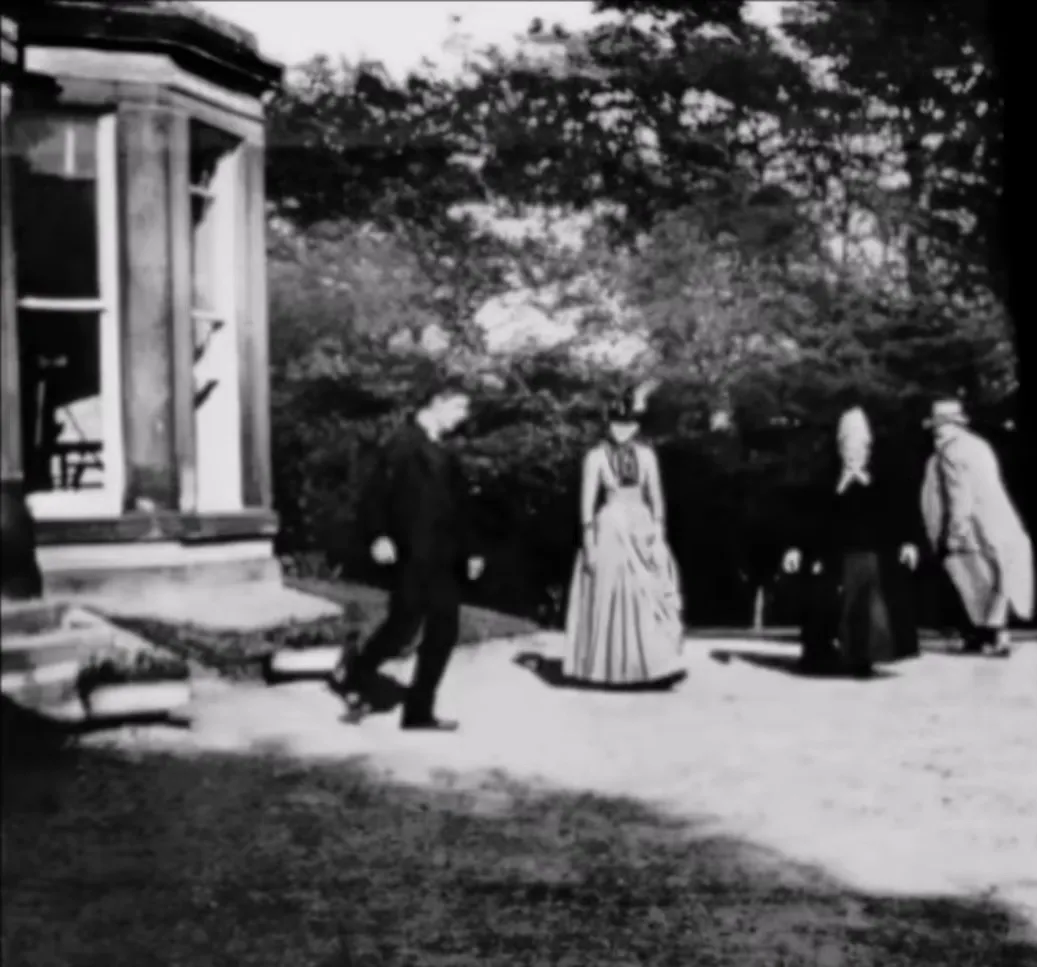 IdeasYour Great-Great-Great-Grandchildren Could Know YouIn 1888 a woman born around 1816 was filmed walking in a garden. Why your great-great-great-grandchildren could know you, and what it would take.
 How toHow to Record Stories for Your GrandchildrenDarwin wished he had his grandfather’s life in his own words. How to record stories for your grandchildren that they will still want when they are grown.
 Your own storyHow to Record Your Life Story While You Are Living ItMemory rewrites your past within a few years. Why the best time to record your life story is while it is happening, and how to do it in short videos.
 How toLegacy Video Questions: What to Say to Your ChildrenMost legacy videos are full of advice. What children want later is the person. Legacy video questions that capture who you are, and the reasoning behind them.
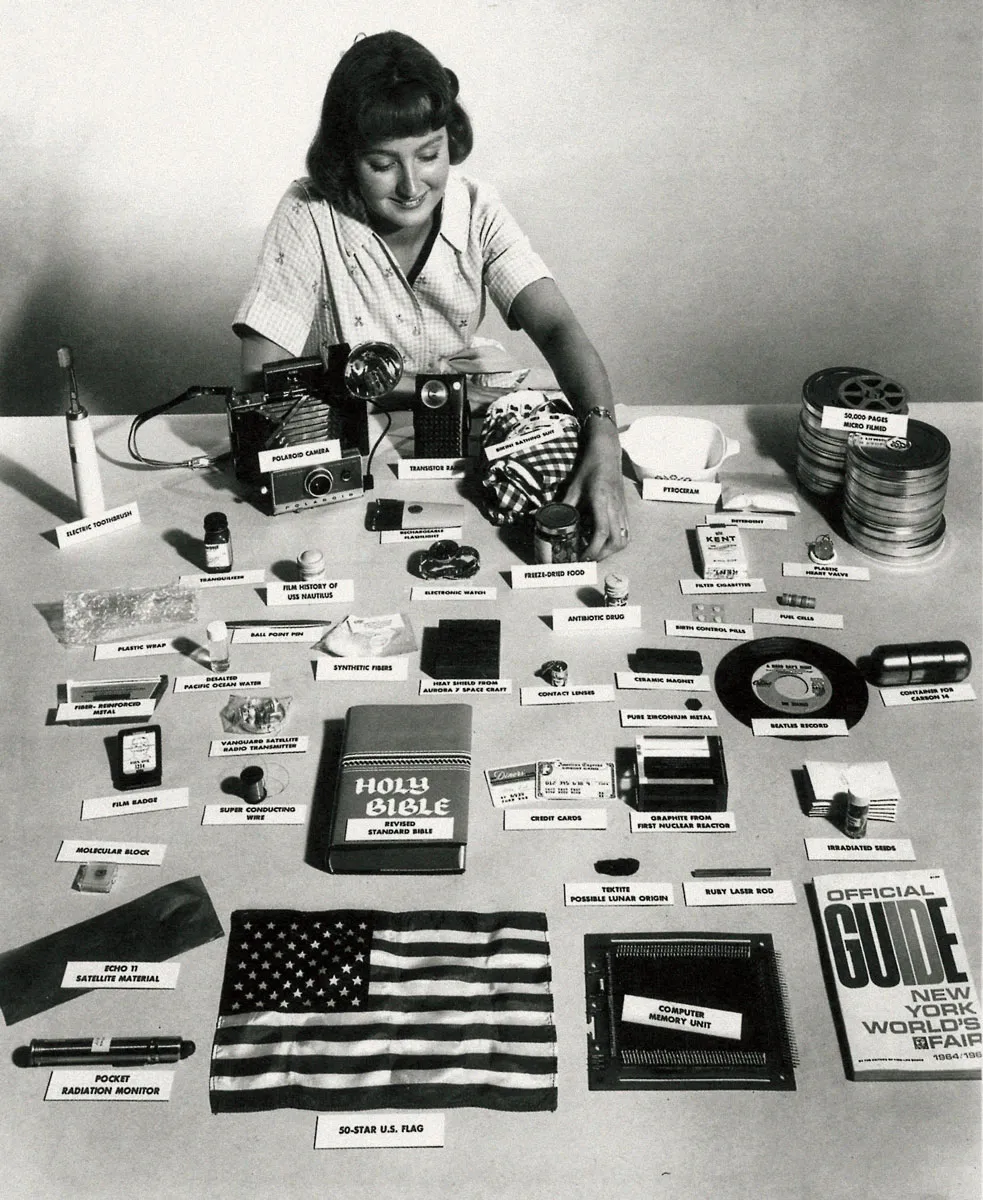 HistoryTime Capsule Ideas, and Why Most Time Capsules FailMost time capsules are lost, flooded or forgotten. A short history of the time capsule, and time capsule ideas for one your family will want to open.
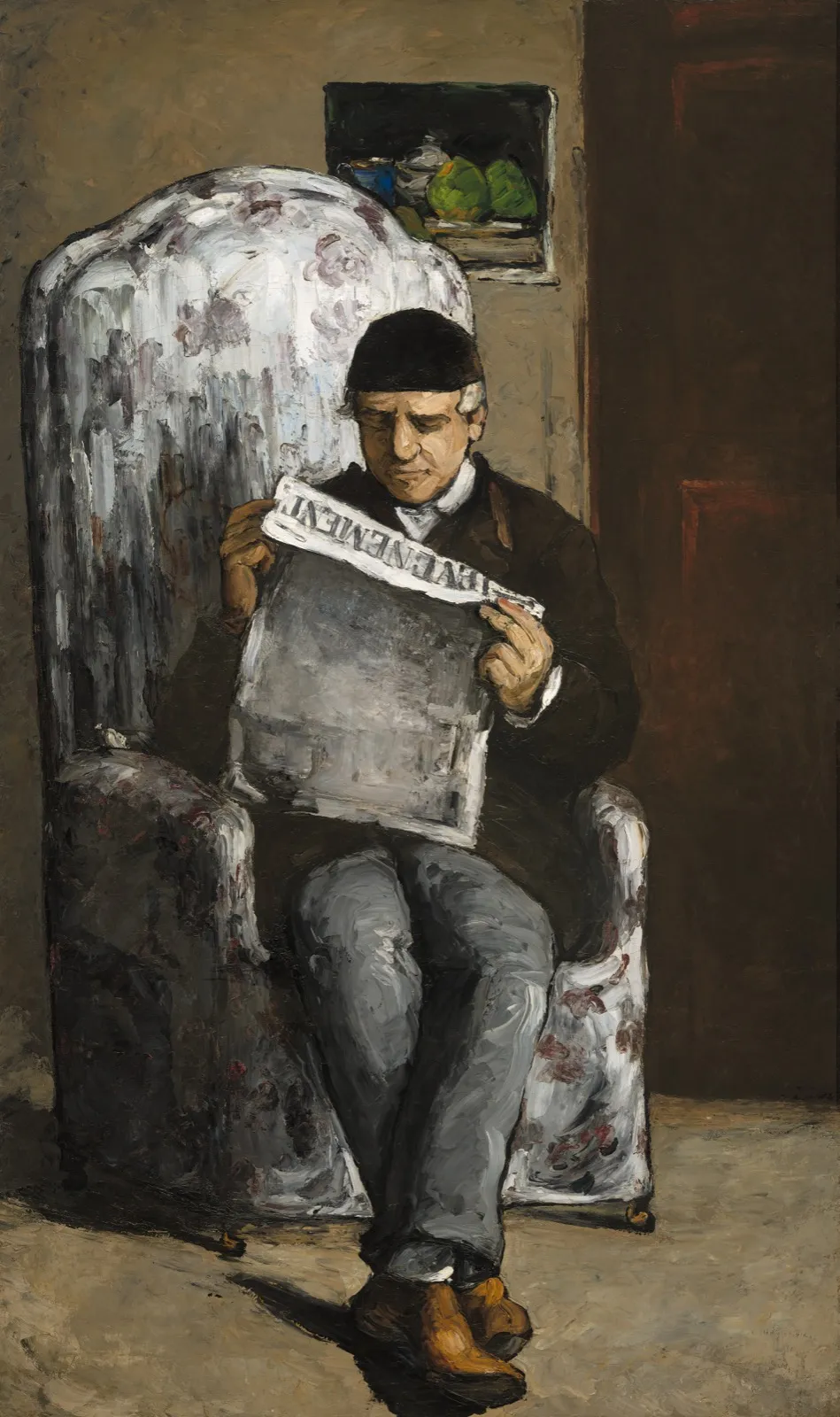 How toQuestions to Ask Your Dad About His LifeMost fathers pass on their stories as lessons, or not at all. The best questions to ask your dad about his life, and why his side so often goes missing.
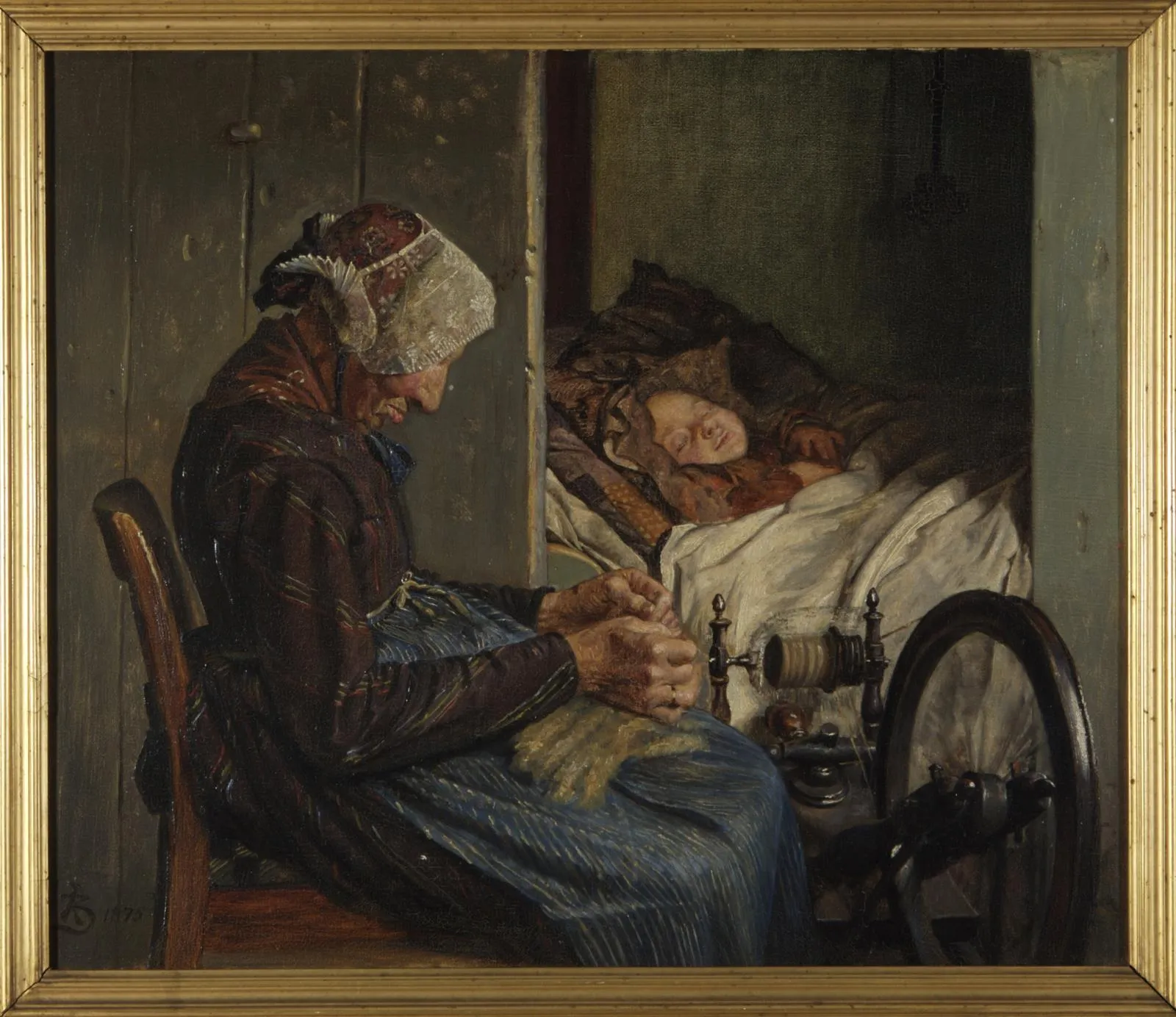 How toQuestions to Ask Your Grandparents Before It’s Too LateYour grandparents can reach back 150 years of family memory, further than anyone else alive. The questions to ask them, and why the window is short.
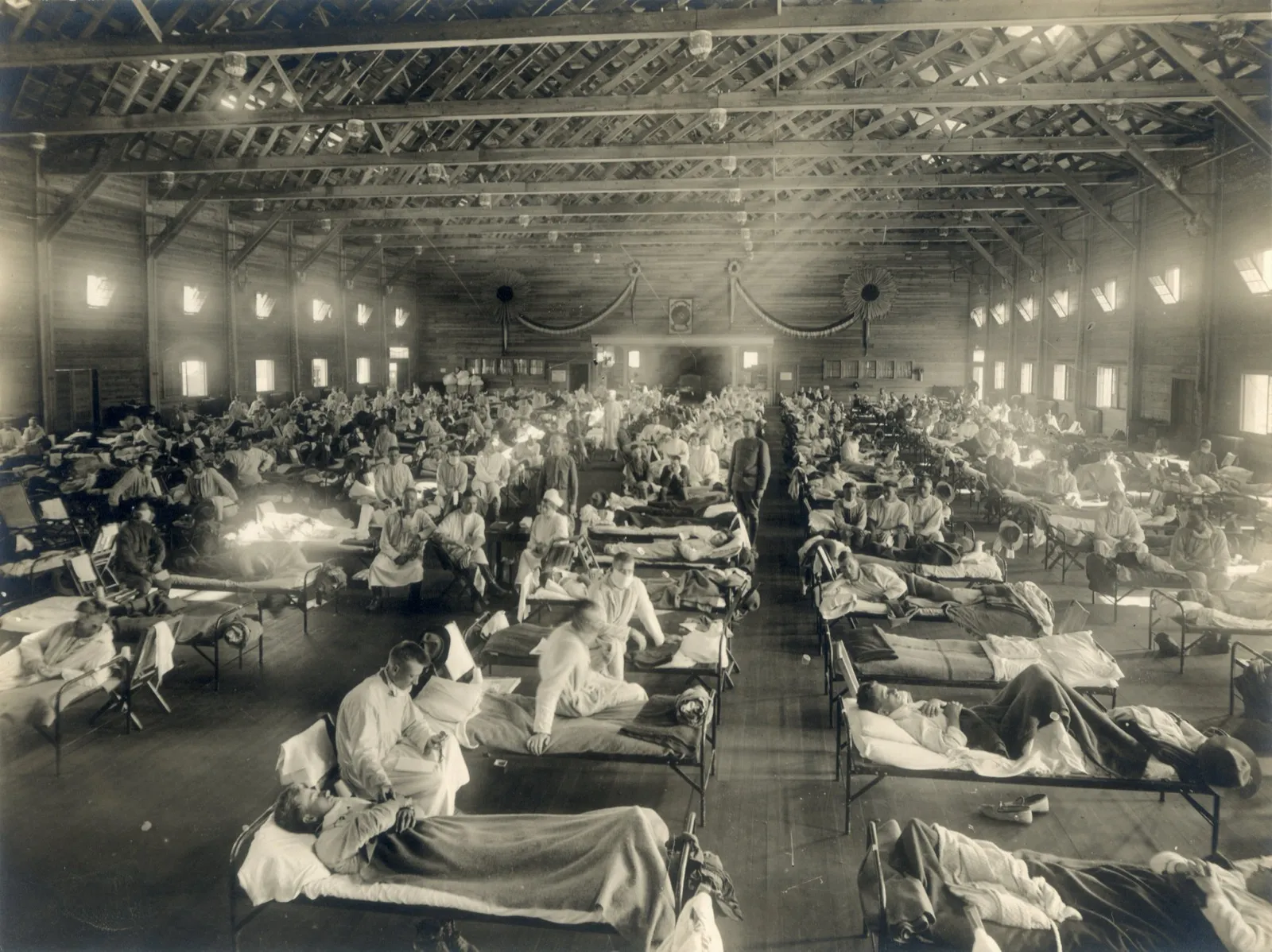 IdeasLearning From the Mistakes of History: Does It Work?Learning from the mistakes of history is harder than the slogan suggests. The evidence says lessons survive when someone's own words carry them, and fade when they do not.
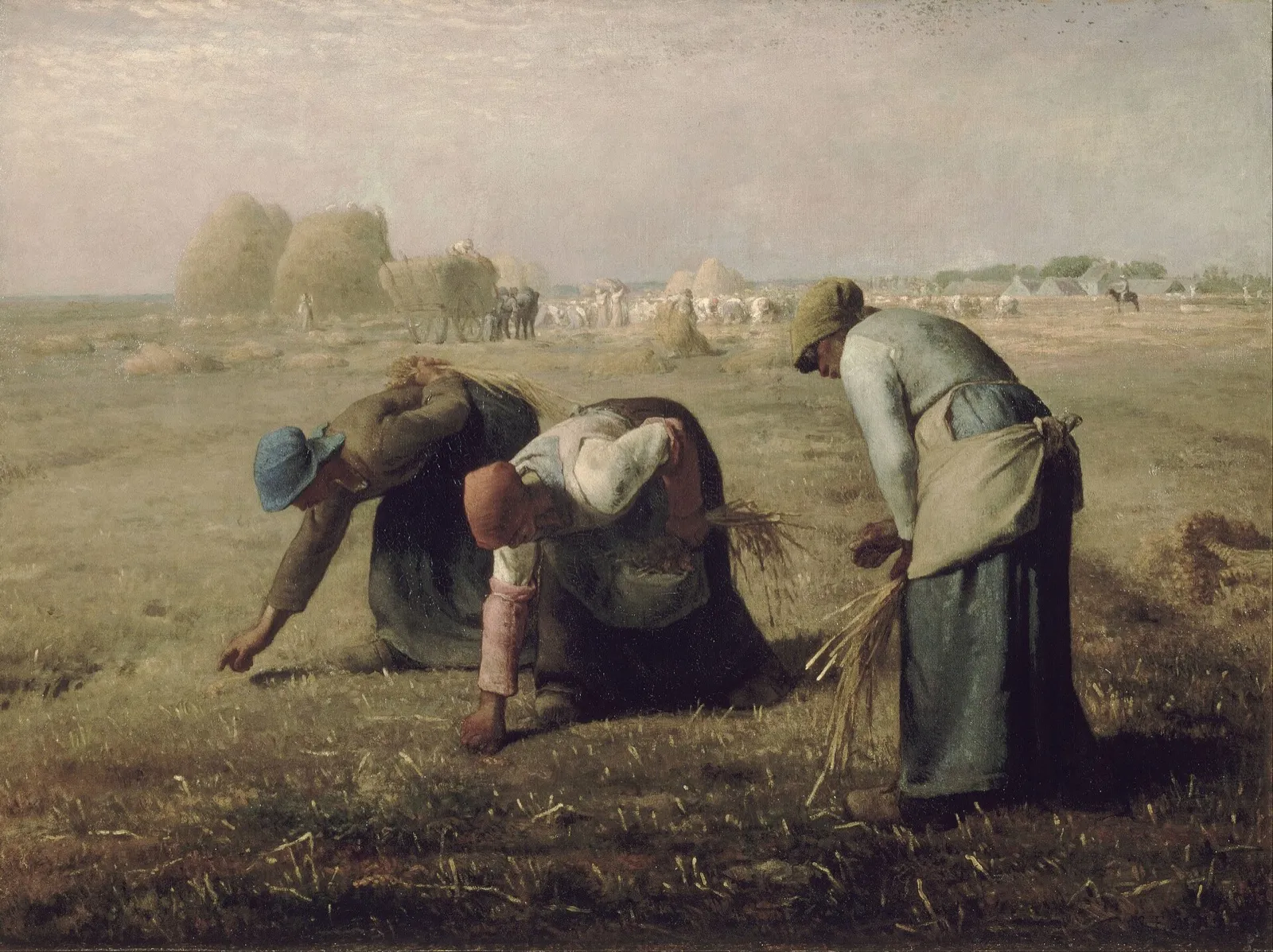 HistoryOrdinary People in History: Whose Stories Get Lost?Ordinary people in history rarely left a record of their own. Why most lives vanish, how historians recover a few, and why the fix is asking someone now.
 IdeasThe Importance of Oral History: Why Life Stories MatterHistory is mostly the record of those who left records. The importance of oral history is that it lets ordinary lives into the evidence, while they can speak.
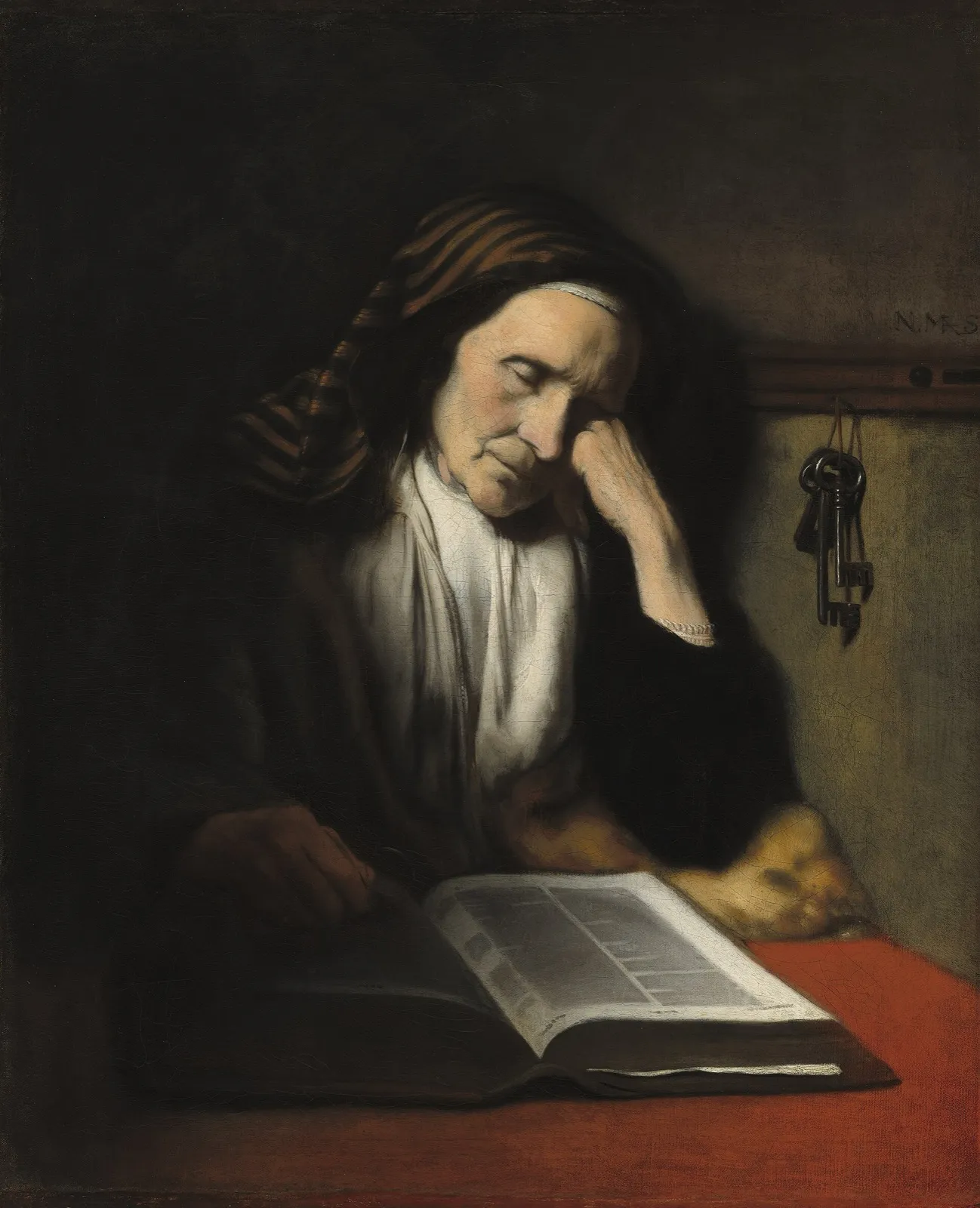 IdeasWrite a Biography of Yourself: Who Will Read It?Self-published memoirs pile up in secondhand bookshops. The problem is rarely the life. It is the format, and the audience. Here is what survives instead.
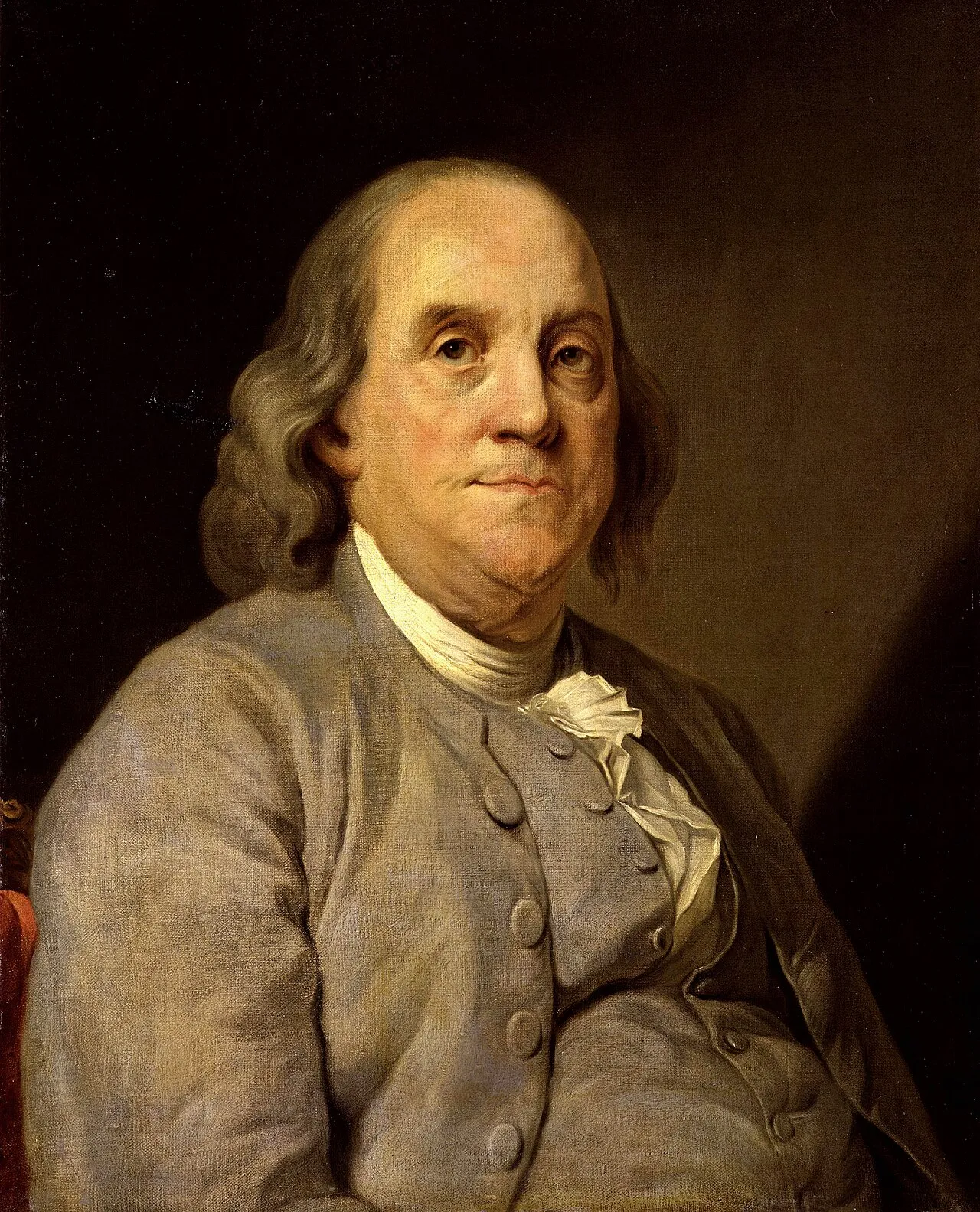 How toHow to Get a Parent to Talk About Their PastWhy reluctant parents refuse to be interviewed, and the ways of asking that actually work: asking for a favour, starting small, and leaving the hard years alone.
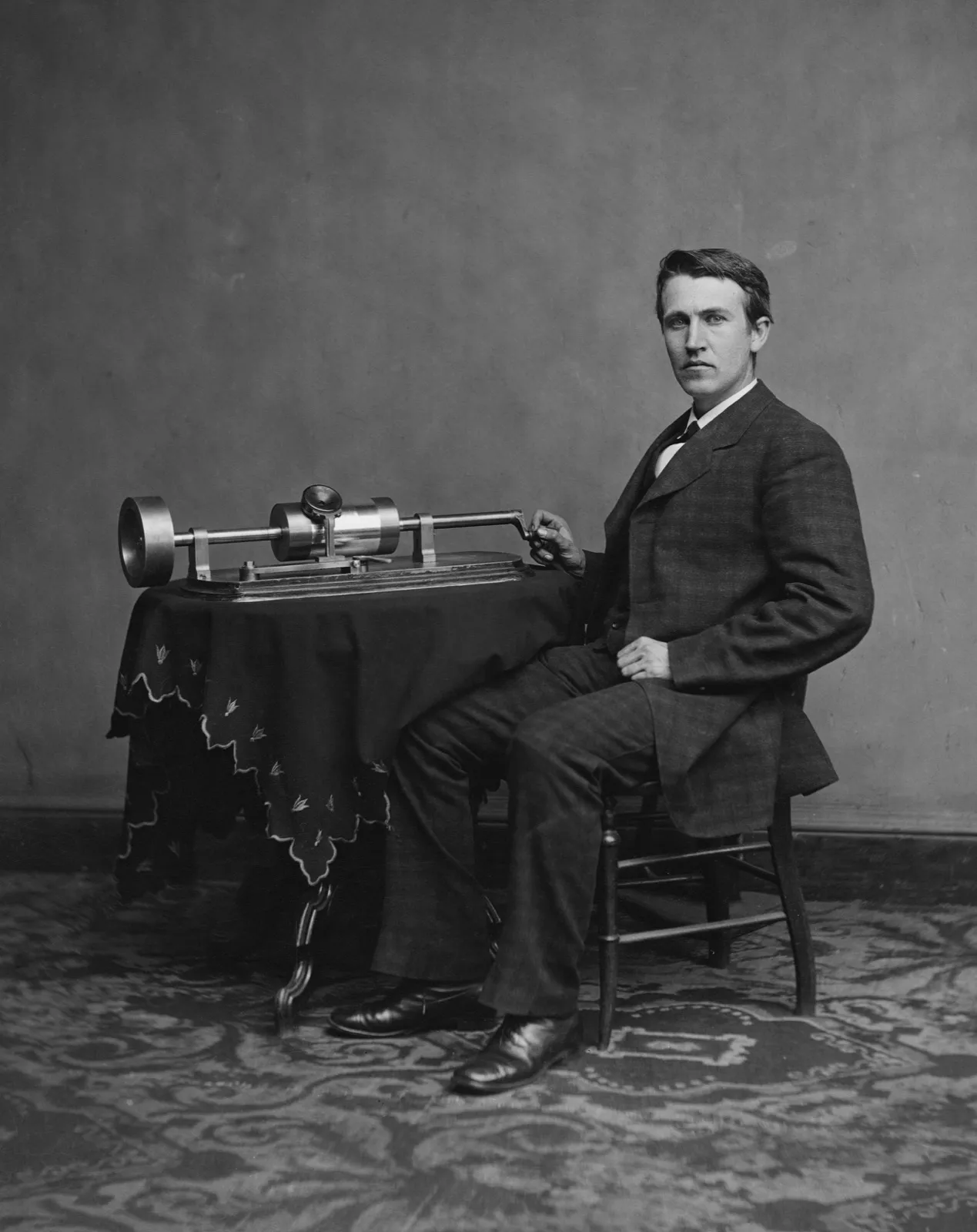 IdeasRecord a Life Story on Video: Why It Beats WritingWriting keeps the facts, audio keeps the voice, video keeps the person. Why video is the best way to record a life story, and where it falls short.
 IdeasLife Story Interview: What Psychologists LearntDan McAdams has asked people to tell their lives as stories for decades. Here is what the life story interview found, and how to use it with family.
 How toQuestions to Ask Your Mum (or Mom) About Her LifeFamilies rely on Mum to remember everything, yet few ask for her own story. The best questions to ask your mum or mom, and why she is hard to interview.
 How toHow to Film an Interview at Home: Light, Sound and PropsWhy a window beats any lamp, why sound matters more than picture, and how the objects in a room unlock memories: a guide to filming a life story at home.
 How toHow to Interview Older Family MembersMost interview advice assumes a listener in their prime. What hearing, memory and the life review change when the person across the table is eighty.
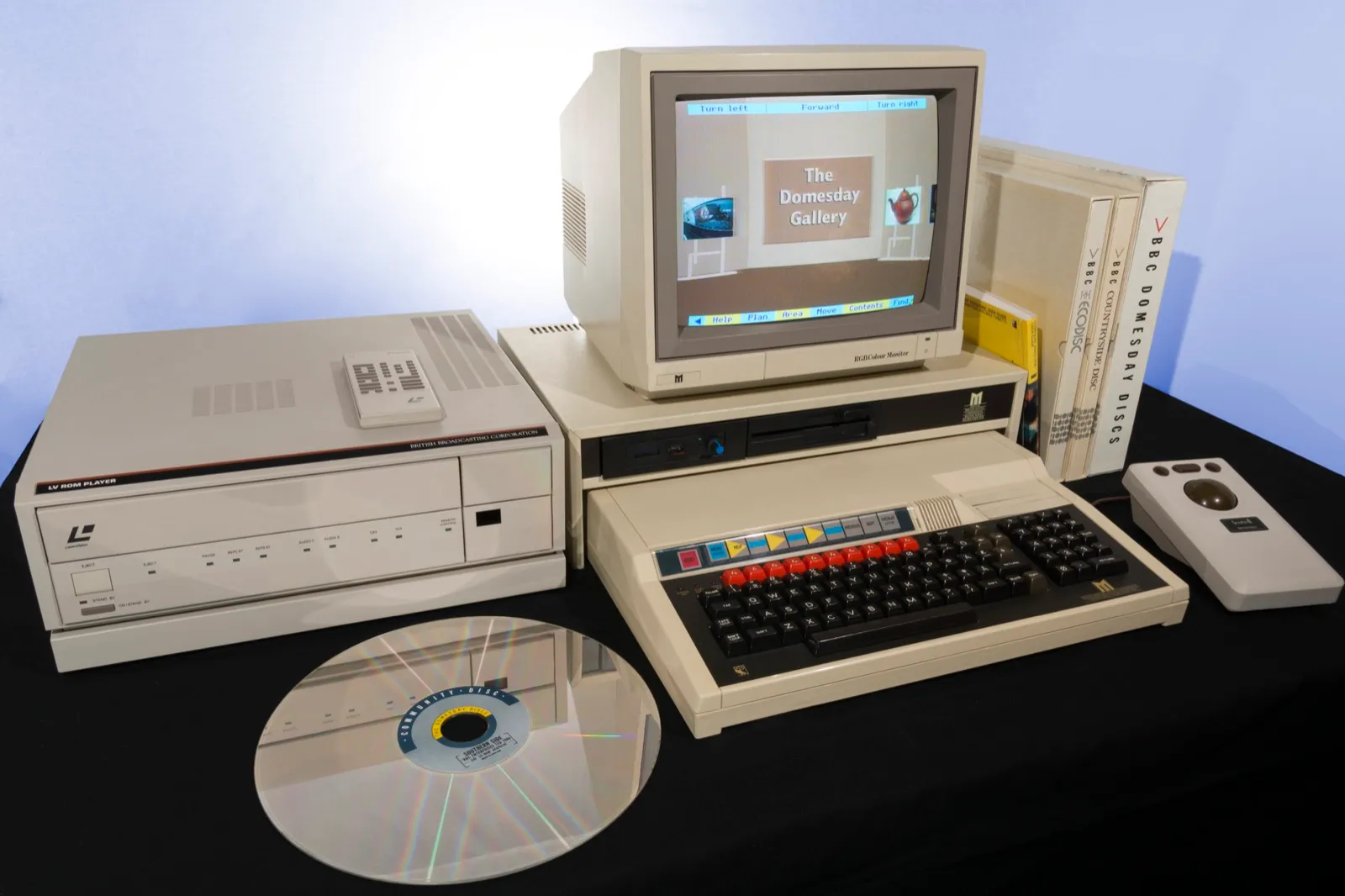 IdeasDigital Legacy: What Happens to Your Photos When You DieWe take around two trillion photos a year, yet most will be unreadable, locked away or meaningless within a generation. How a digital legacy actually survives.
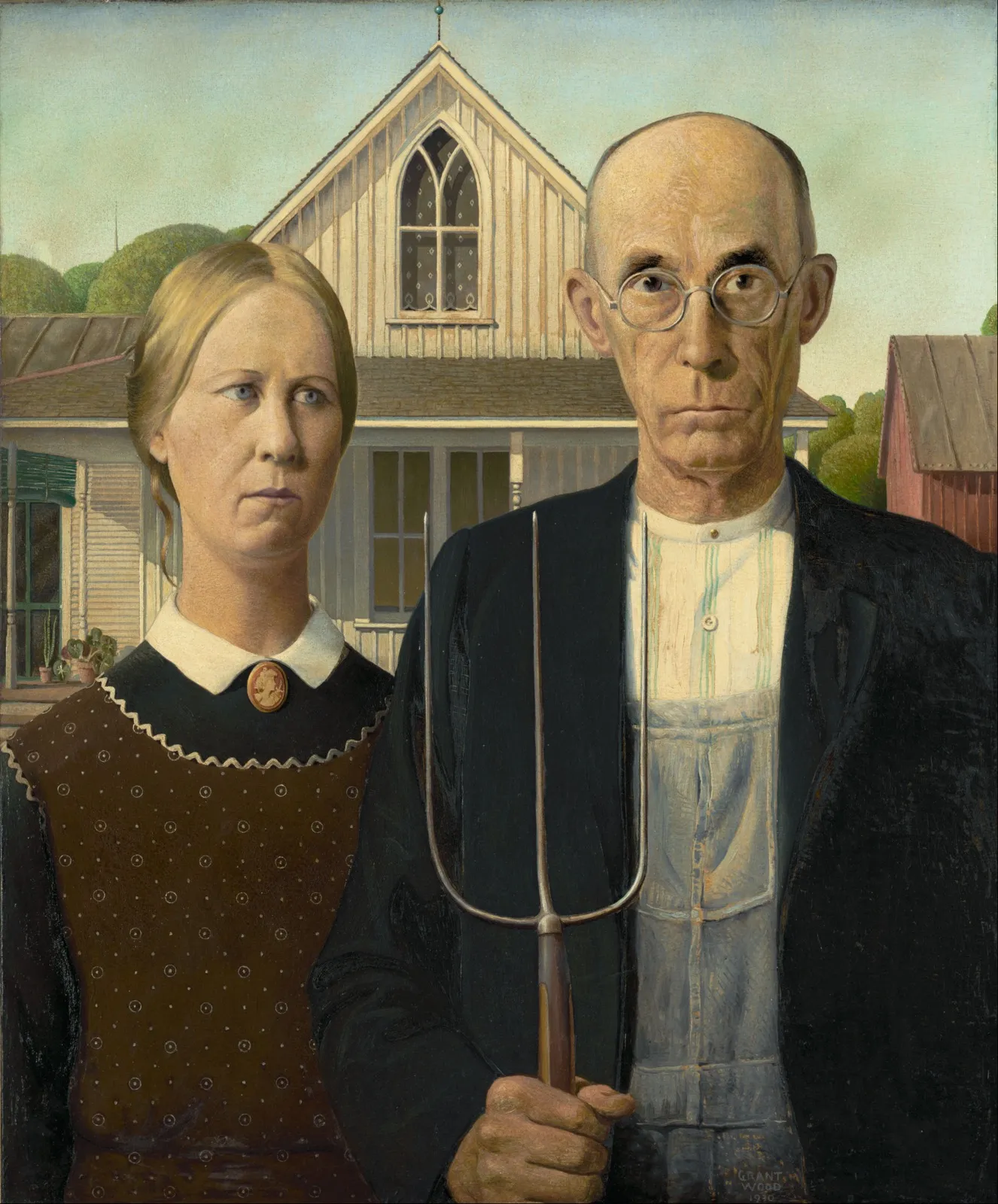 IdeasQuestions I Wish I Had Asked My Parents: Why We WaitMore than half of us learn something about a parent only after they die. Why the questions we most want answered arrive too late, and how to ask them early.
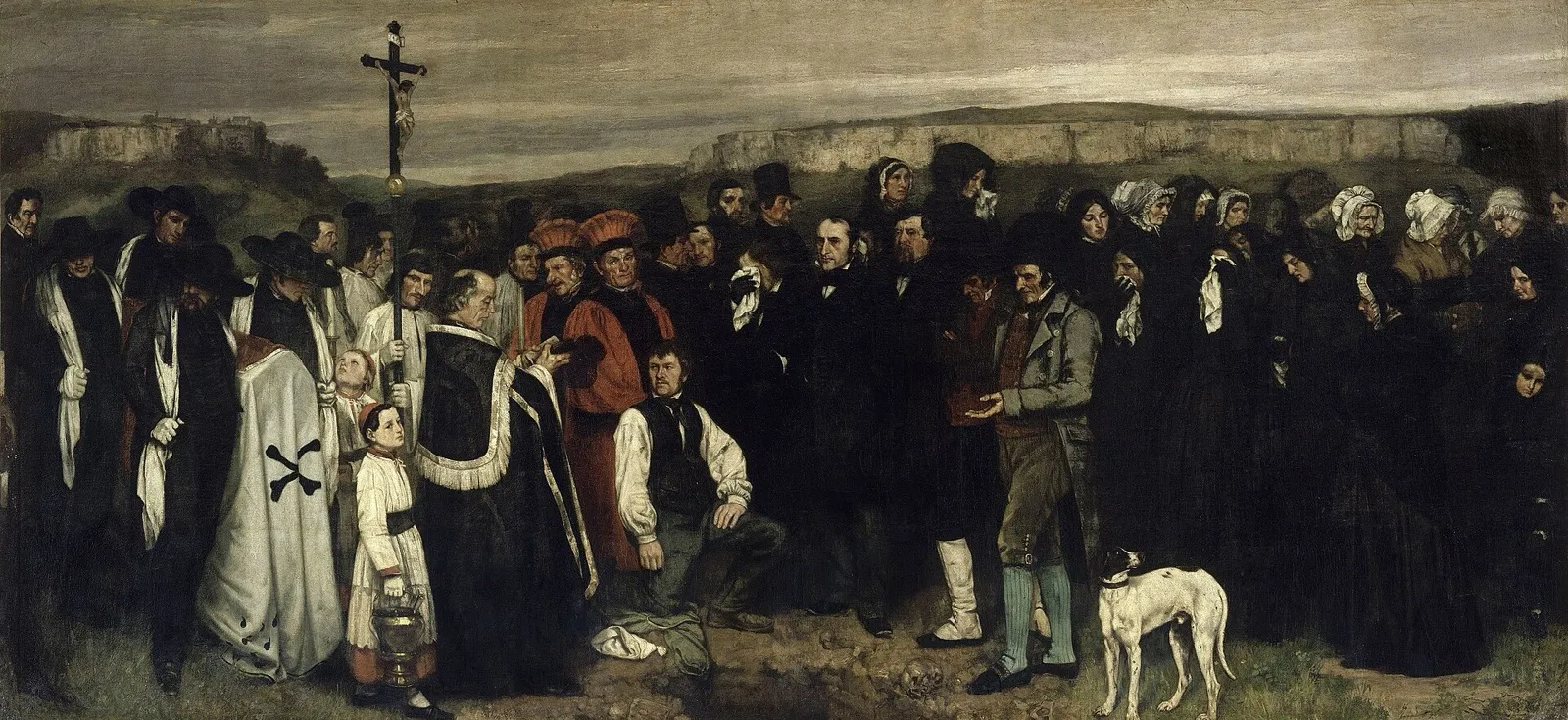 How toHow to Write a Eulogy, and Why Stories Make It EasierMost eulogies are written in a few days, in grief, by someone who realises how little they know. How to write a good one, and how to make it easier.
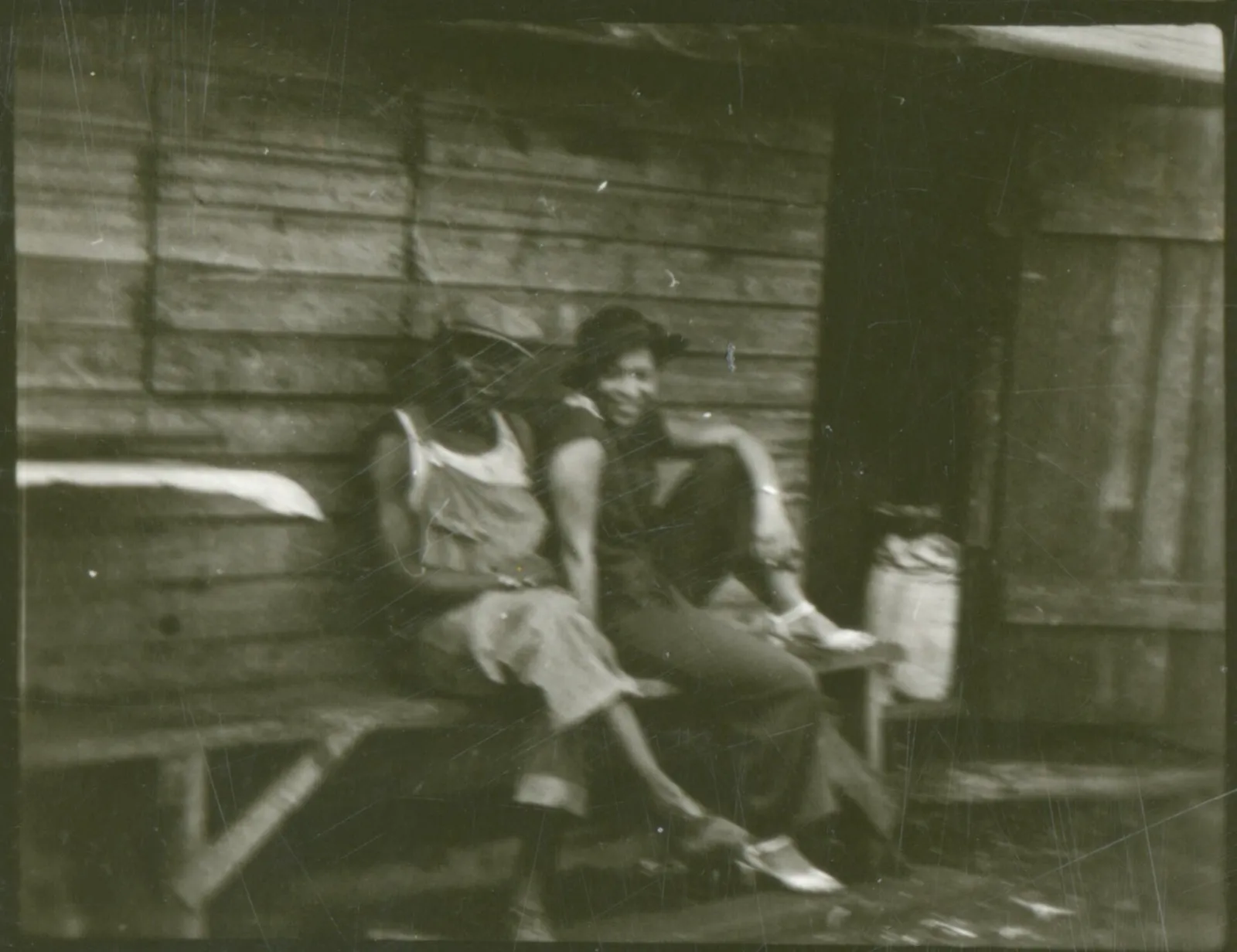 How toHow to Conduct an Oral History InterviewIn the 1930s, over 2,300 people born into slavery were interviewed. Barely seven hours of their voices survive. What oral historians have learnt since.
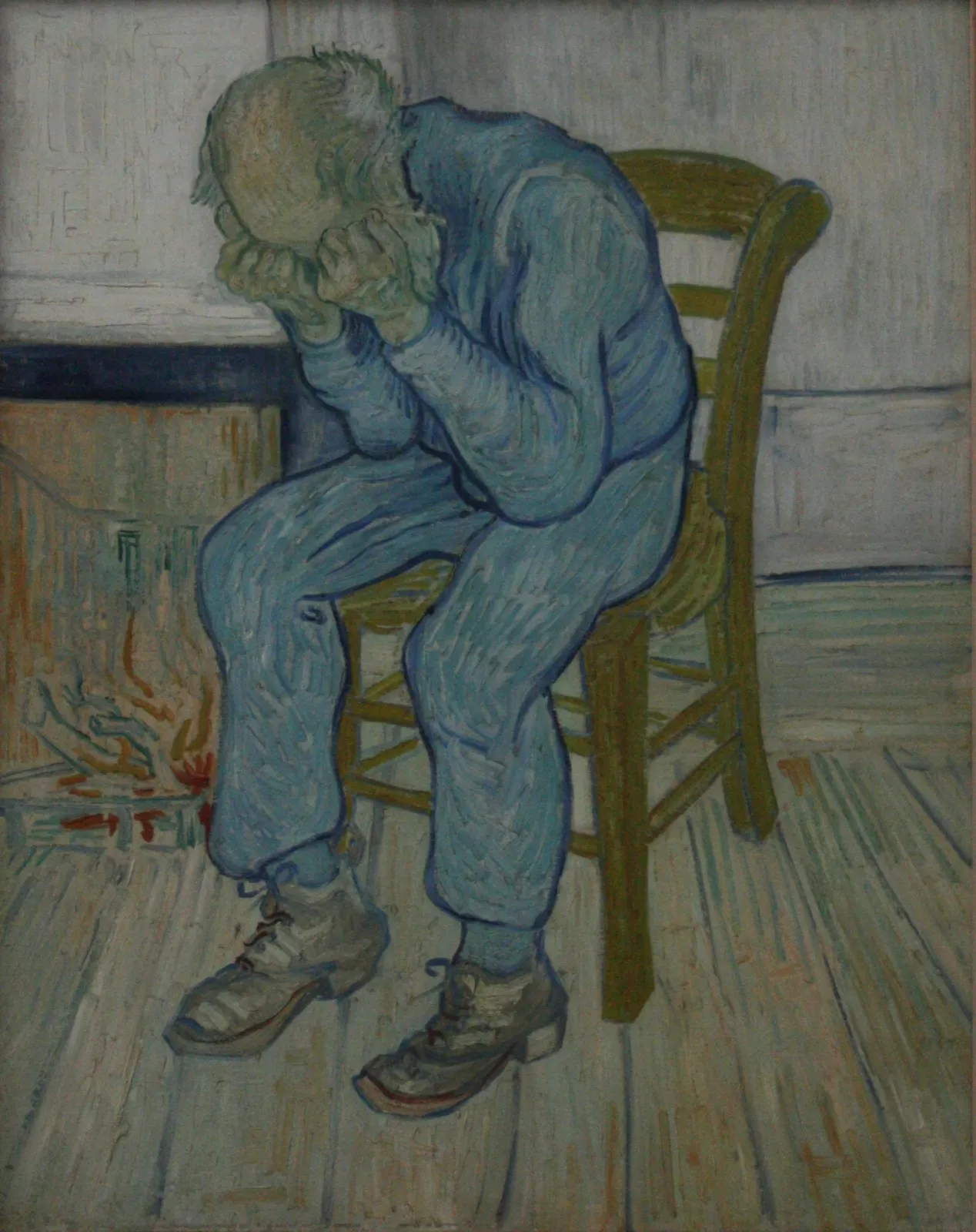 IdeasThe Top Regrets of the Dying and What They Teach UsA carer’s list of deathbed regrets has been read by millions. The research behind it explains why we regret what we never did, and why that regret grows.
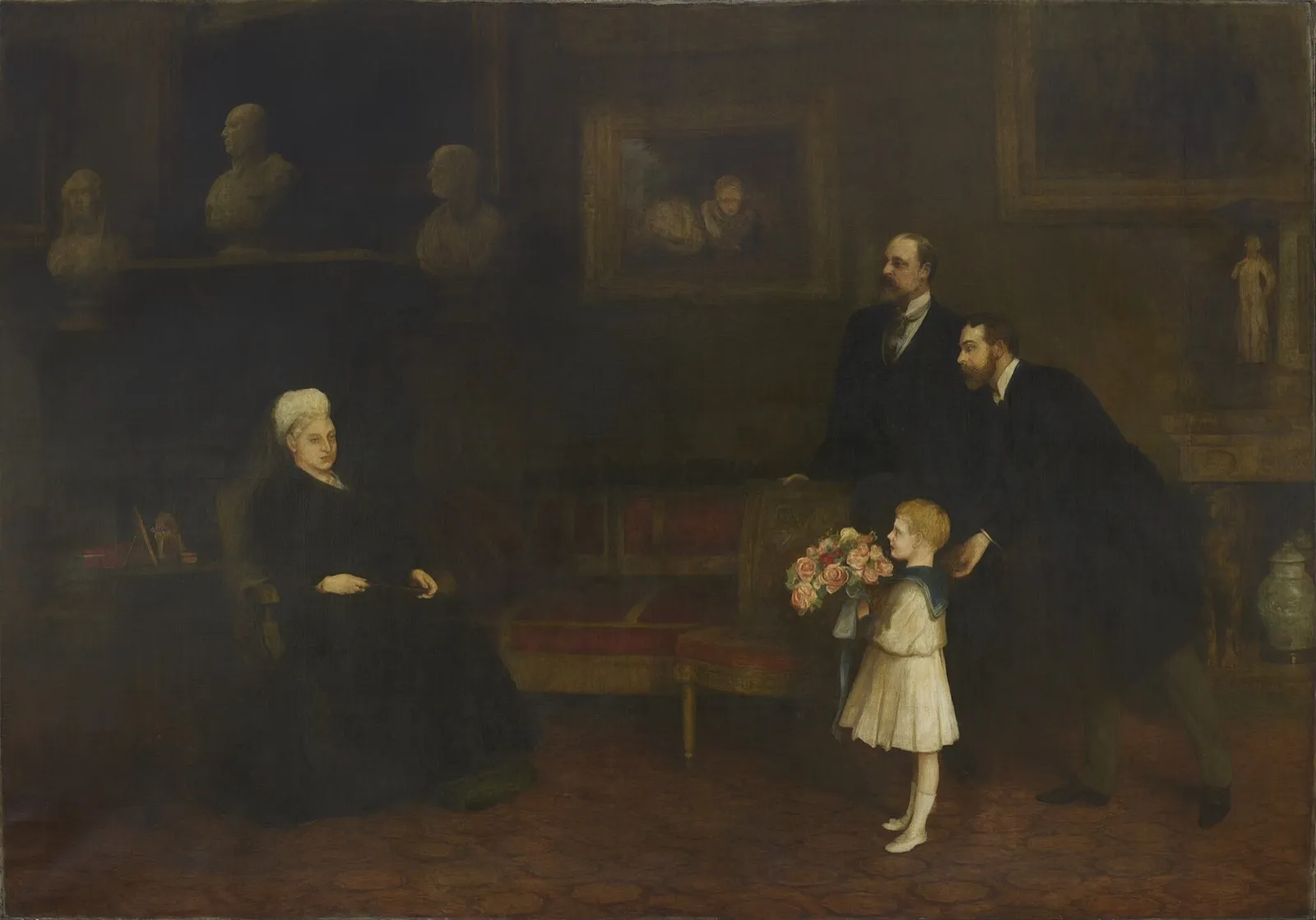 FamilyYou Have 16 Great-Great-Grandparents. Can You Name Them?Most people cannot name a single great-grandparent. Why your great-great-grandparents were forgotten so quickly, how to find them, and what it means for you.
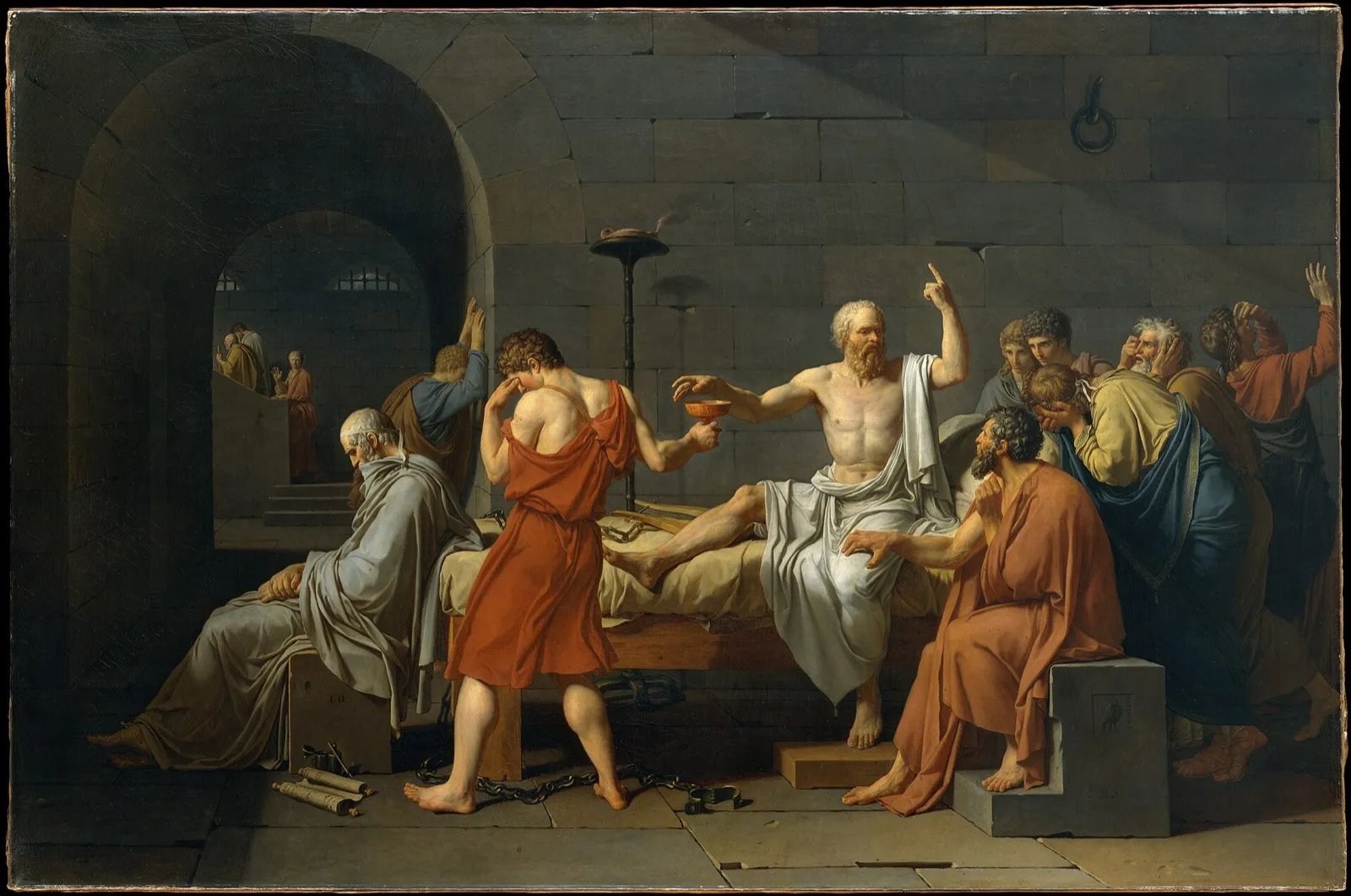 How toHow to Interview Someone: Open vs Closed QuestionsPolice detectives once interrupted witnesses every 7.5 seconds. What that research reveals about how to interview someone, and why open-ended questions work.
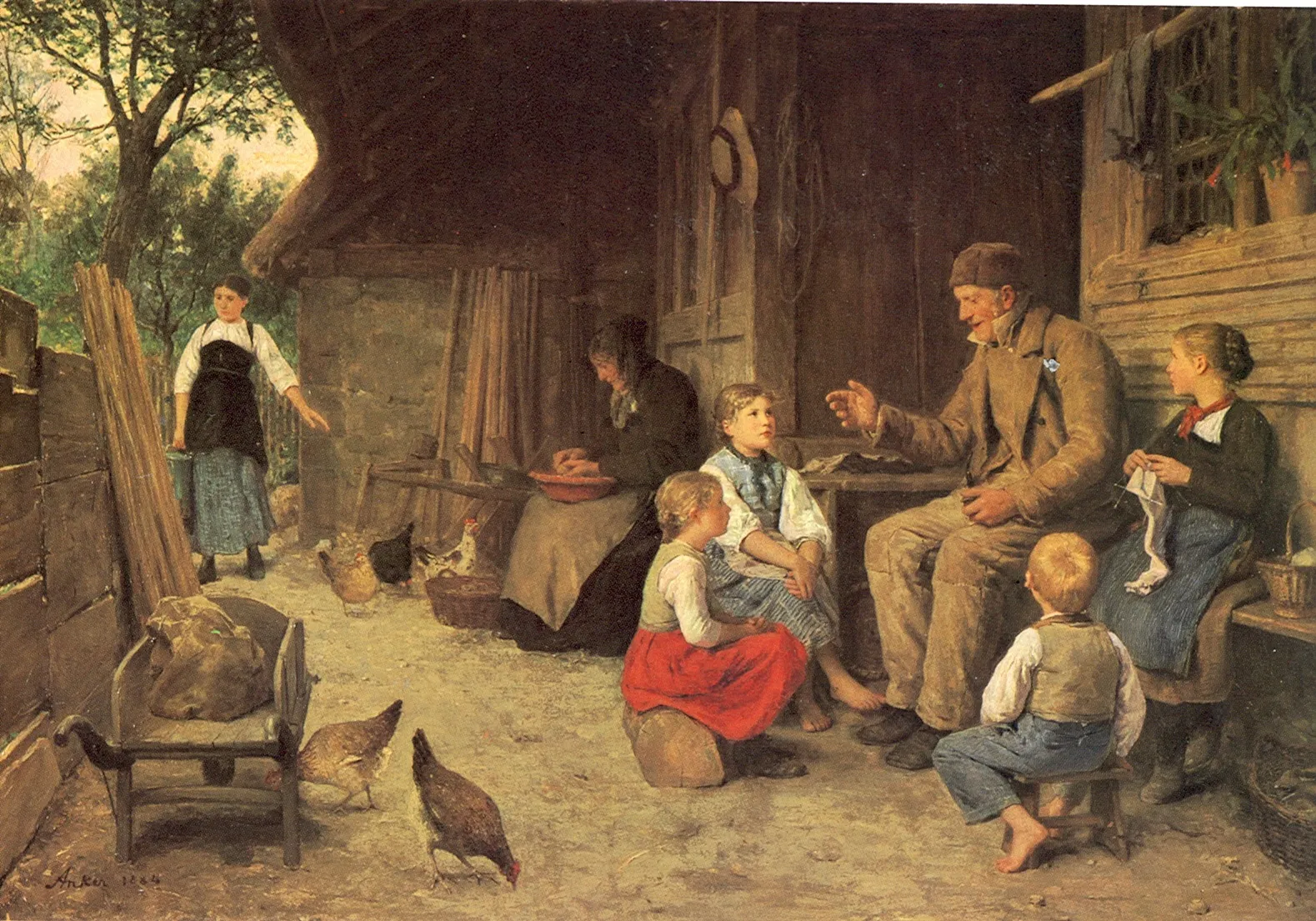 HistoryA Short History of Storytelling: From Campfire to CameraThe history of storytelling is a history of preservation, from words to voice to face. Now the technology is free, yet family stories are still being lost.
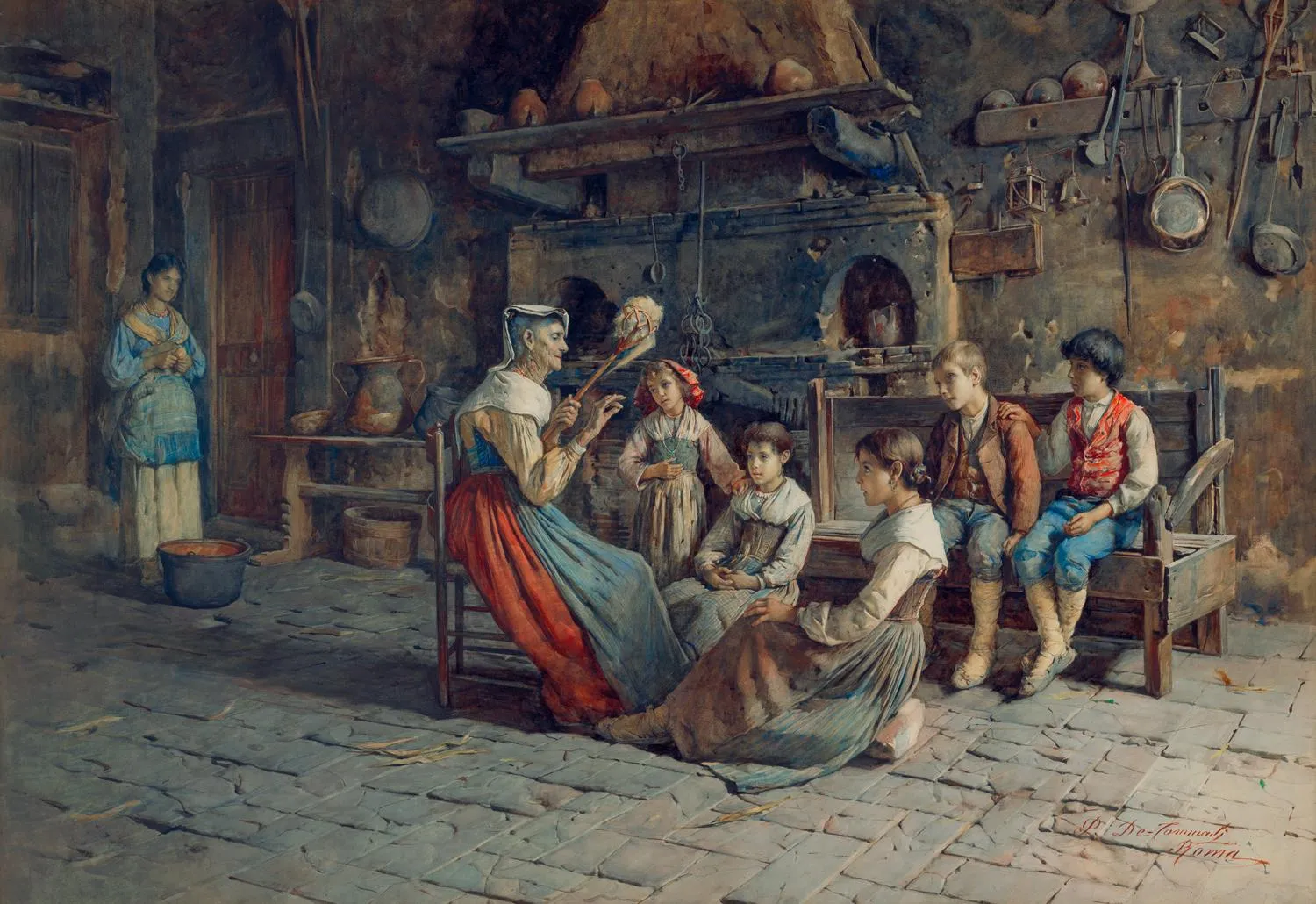 How toQuestions to Ask Your Parents About Their LifeThe best questions to ask your parents or grandparents about their life, why some questions unlock real stories while others get a shrug, and how to ask them.
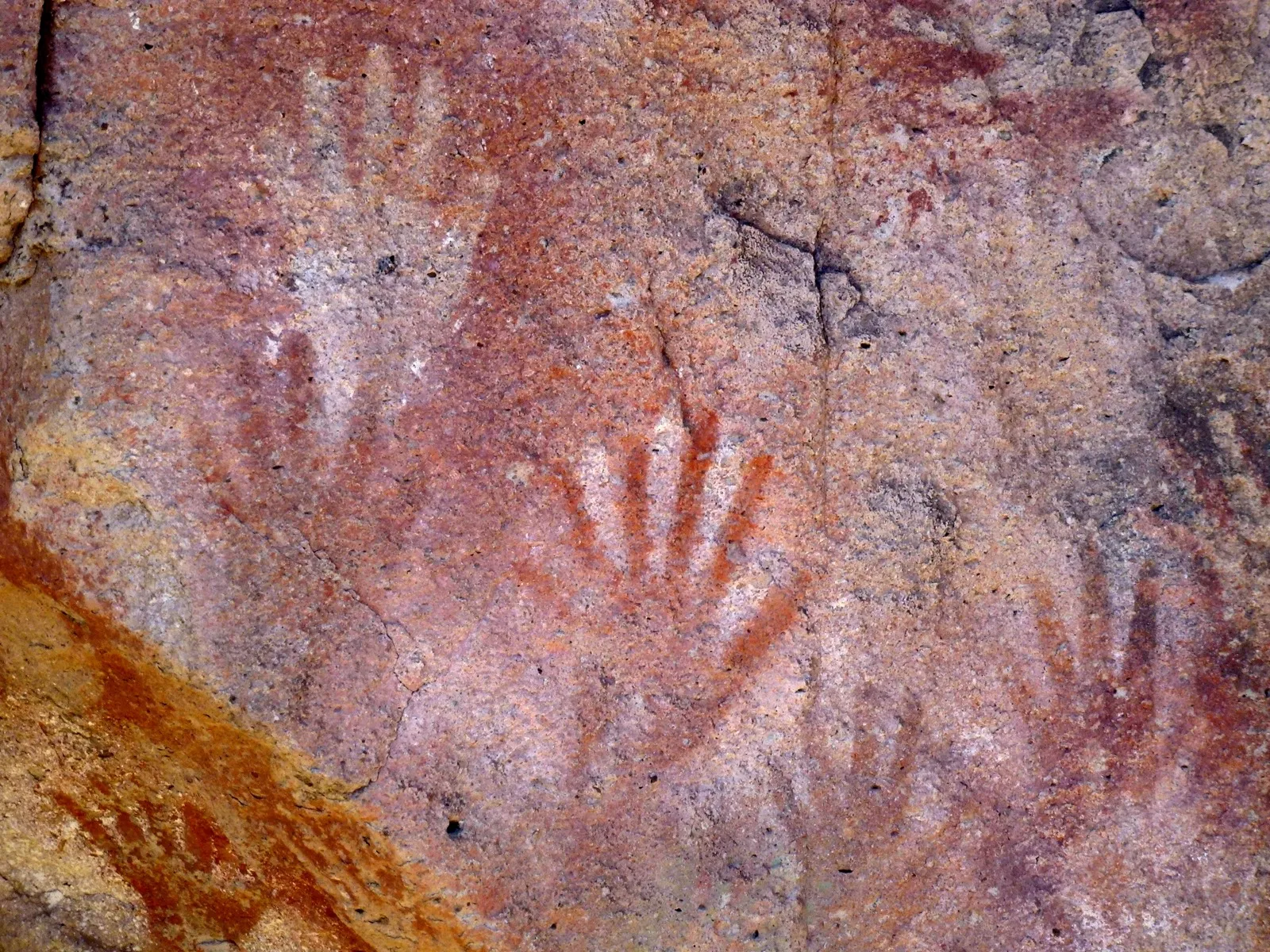 HistoryAncient Graffiti and the Human Desire to Be RememberedKings built monuments to be remembered. Often, the only ordinary people we remember from the ancient world are the ones who scratched their names on a wall.
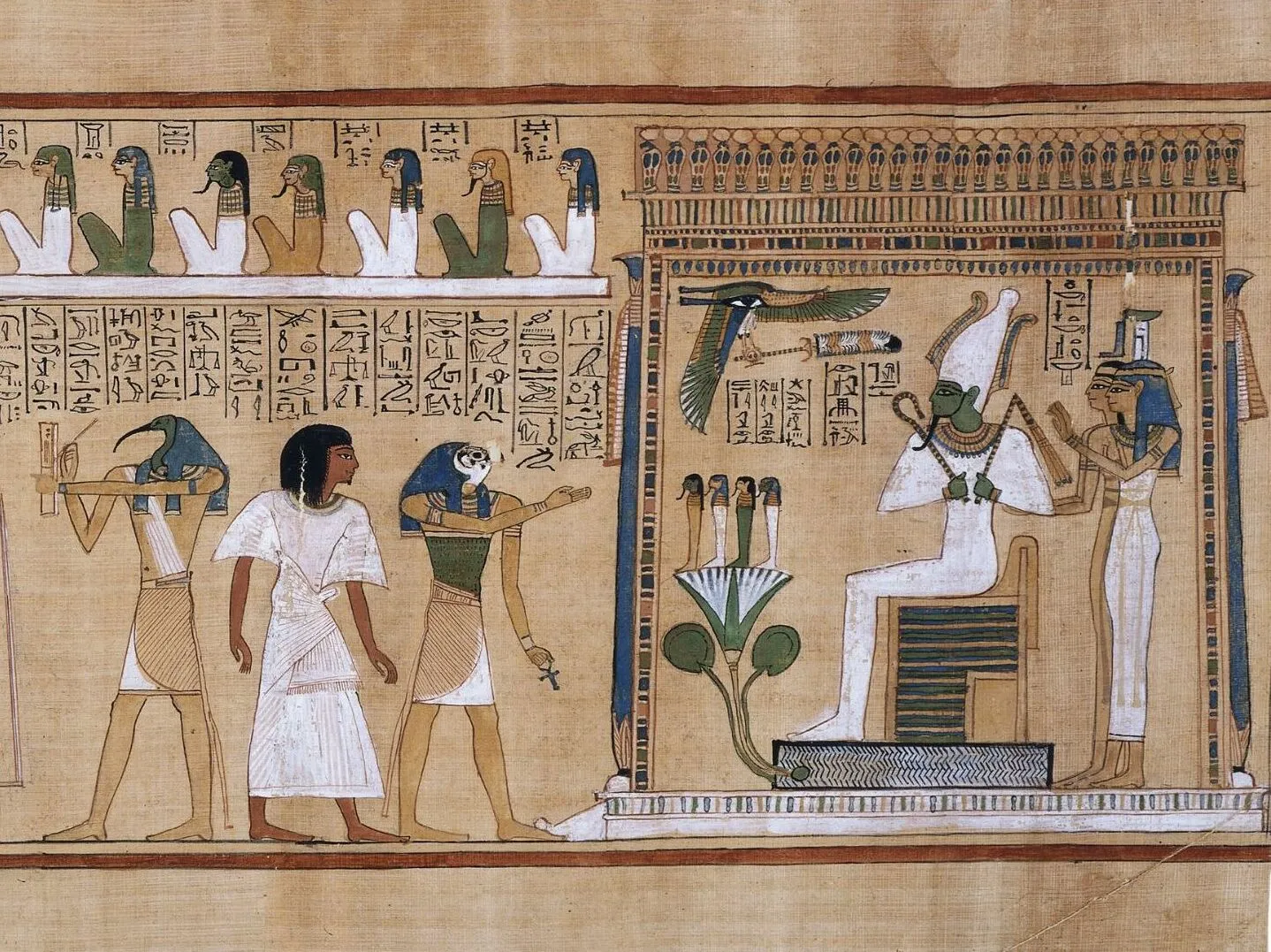 HistoryHow the Ancient Egyptians Viewed Life and DeathThe ancient Egyptians believed a person could die twice, and that the second death, being forgotten, was the one that mattered. They were onto something.
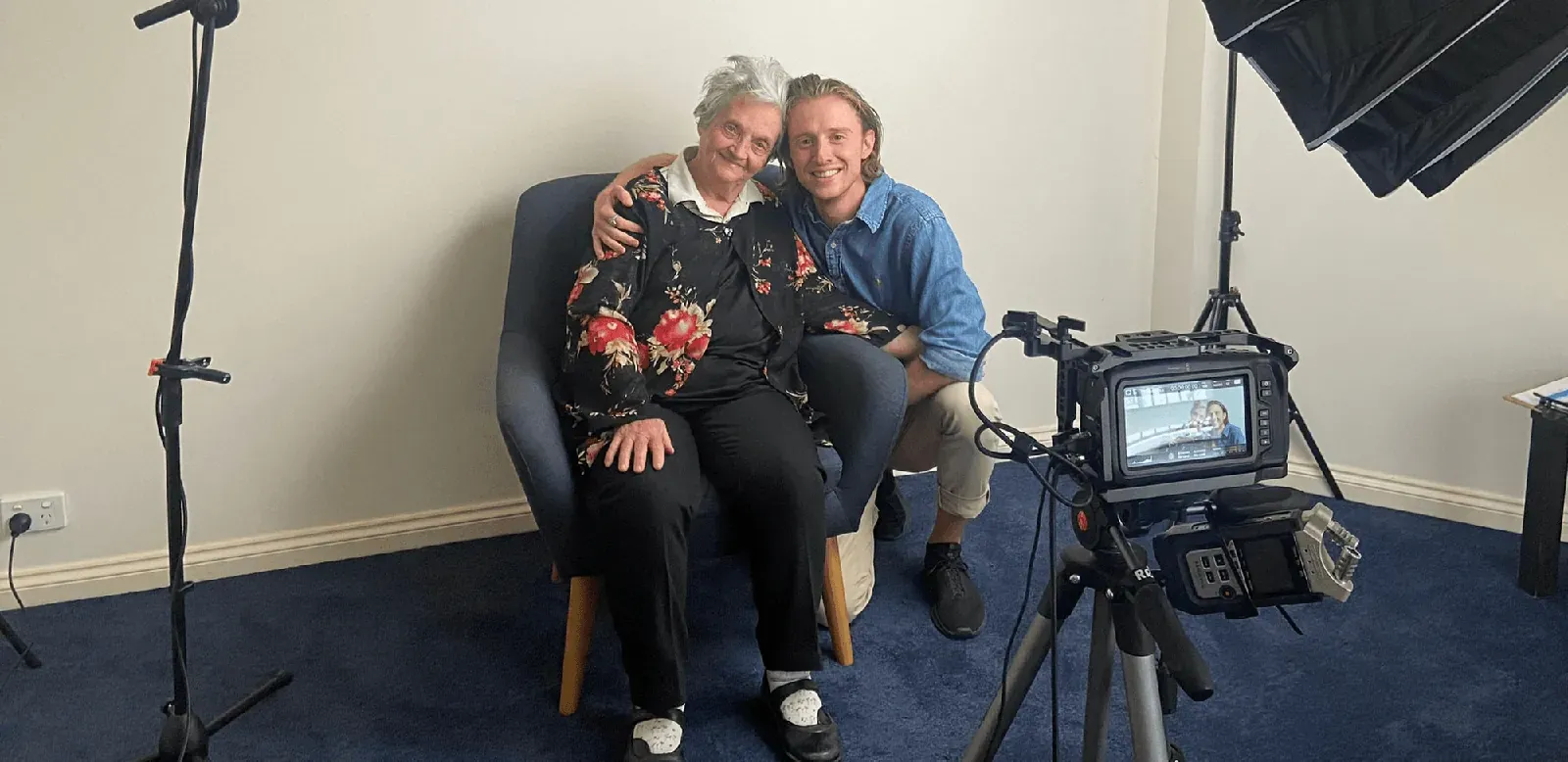 How toHow to Capture Someone’s Life Story on VideoLessons from filming more than a hundred life stories: how to prepare, what to ask, and why the most important part of an interview is the pause.
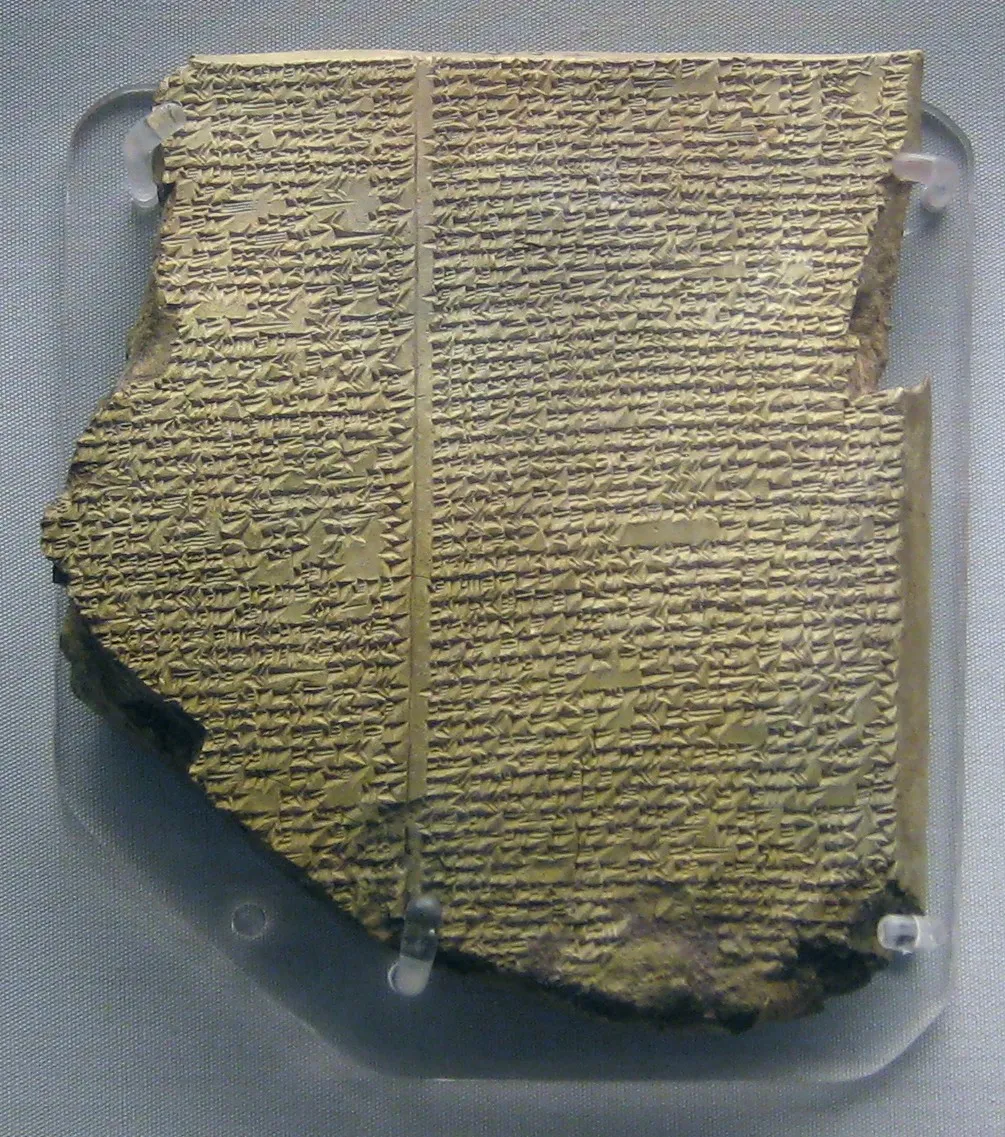 HistoryThe Oldest Stories in the World, and How They SurvivedThe first stories humans wrote down were about death, friendship and a parent’s advice to a child. How they survived 4,000 years is a story in itself.